Places to visit
Things to do in Karabük
25 destinations, each with a description, how long it takes and where it sits on the map.
In short
toroti’s catalogue holds 25 described destinations within Karabük. The themes that come up most: Faith heritage, History, Local culture, Museum, Culture, Nature.
Districts of Karabük
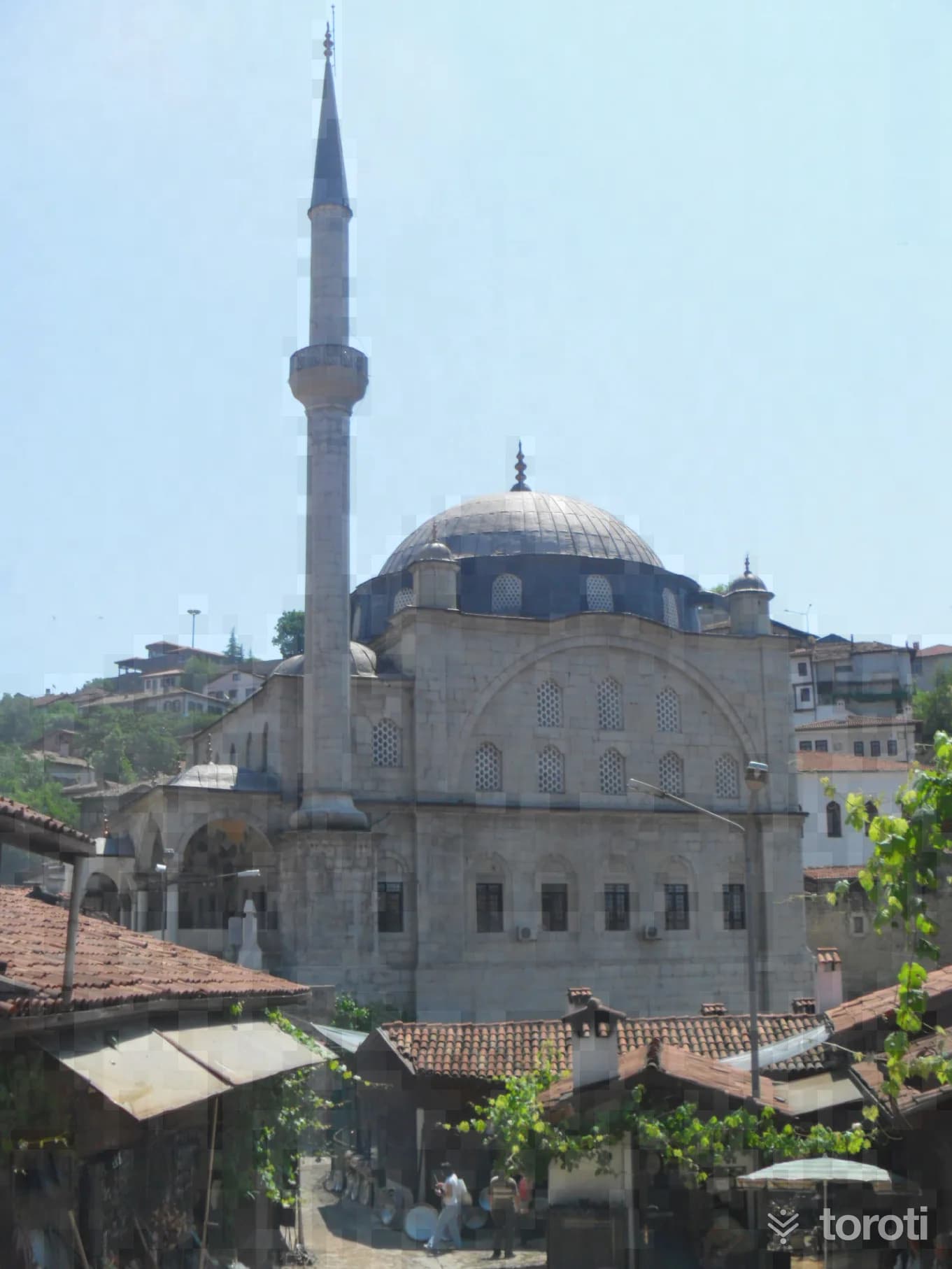
İzzet Mehmet Paşa Cami
İzzet Mehmet Paşa, who served as grand vizier in 1794-1798 during the reign of Selim III, had built in 1796 in the district where he was born in 1743 what was almost a small model of the Nuruosmaniye Mosque in Istanbul. The mosque is considered among the works in which Western influences were reflected in Turkish architecture in the 18th century. Above its mihrab, Sultan 3.
20 minutes
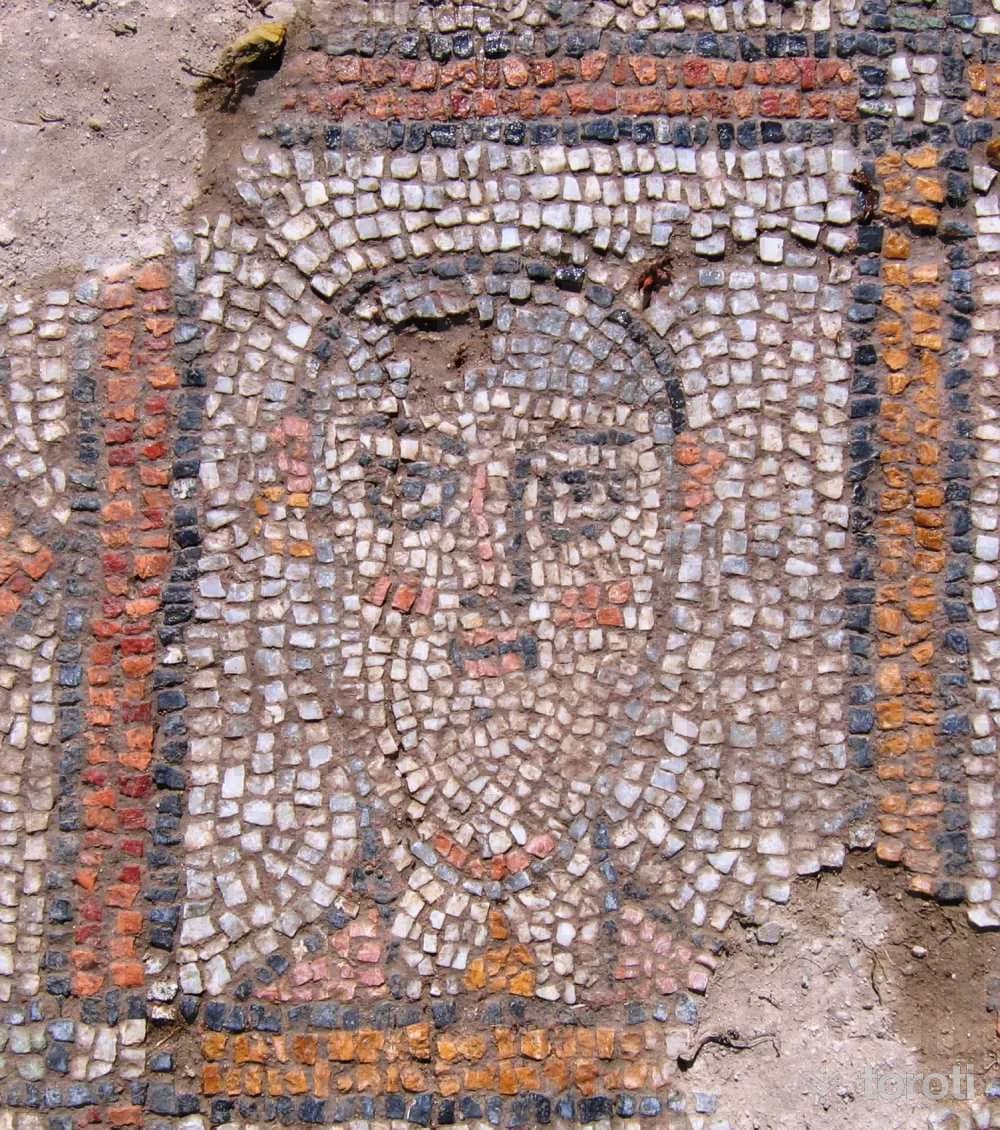
Hadrianopolis Antik Kenti
The ancient city was founded in the 4th century during the Roman period. It is accessed via the asphalt road in Hacı Ahmetler Köyü, which is 3 km from the center of Eskipazar located on the Ankara-Karabük road. In the ancient city, there are many marble columns and column capitals, churches, walls, water cisterns, rock tombs, a Roman bath, tear bottles, tunnels, food and wine cellars.
45 minutes
Demirciler Çarşısı
Safranbolu Demirciler Çarşısı has been home to human communities, various civilizations and various nations in every era of its history, and has carried the traces of those civilizations to the present day. For centuries, they served the army at the head of their bellows by lighting embers, heating iron, hammering it, sharpening it, tempering it, steeling it, making arrows, preparing spears and flattening armor.
45 minutes
Sipahioğlu Konağı
Sipahioğlu Konağı, located in Yörük Köyü of Safranbolu, has a history of 300 years. The same family has been living in the mansion for 8 generations. However, the second and third floors have been turned into a museum. In the top floor of the house, which has Safranbolu architecture, the mansion's agha used to live. Part of the guest room on the second floor looks as if it has a wooden wall. When you pull the wood, the guest bathroom appears.
30 minutes
Şeker Kanyonu
The canyon, which starts from Şeker Mevkii located at the 3rd Km. of the Karabük-Yenice Highway, has a total length of 6,5 Km.; a road passes through 2 Km. of it, and then there is a long 4,5 Km. area suitable for canyoning. In places, the canyon has difficult passages and narrowings, and in some places swimming becomes mandatory. The canyon height starts from 100 meters and rises up to 250 meters. The canyon’s rocks are also suitable for rock climbing.
45 minutes
Sürek Avi
In Eskipazar District, driven hunts are organized by the Hunters and Shooters Association in the months of June, July and August. In the region, there are large numbers of wild boar, and animals such as foxes, rabbits, bears, partridges, çoran, black grouse, woodcock and quail are also encountered.
45 minutes
Karabük Dağlari
Mountainous and forested areas occupy an important place in the geographical structure of our province. Our mountains are suitable for mountain sports. Our important mountains are Keltepe(1999m.), Tarakçı Tepe(1714m.), Kuyruk Kaya Tepe(1704m.), Kuru Doruk Tepe(1744m.), Mantar Tepe(1736m.).
45 minutes
Ahmet Demirezen Yemeni Müzesi
It was arranged by Yemeni Master Ahmet DEMİREZEN in shop number 3 in Yemeniciler Arastası in the bazaar section of Safranbolu.
45 minutes
Ulu Cami (St. Stephanos Kilisesi)
Located in Kıranköy Semti, which in the past was a Greek Quarter of Safranbolu, Aziz Stefan Kilisesi was converted into a mosque after the Greeks went to Greece in the 1920s and opened for Muslim worship under the name Ulucami.
30 minutes
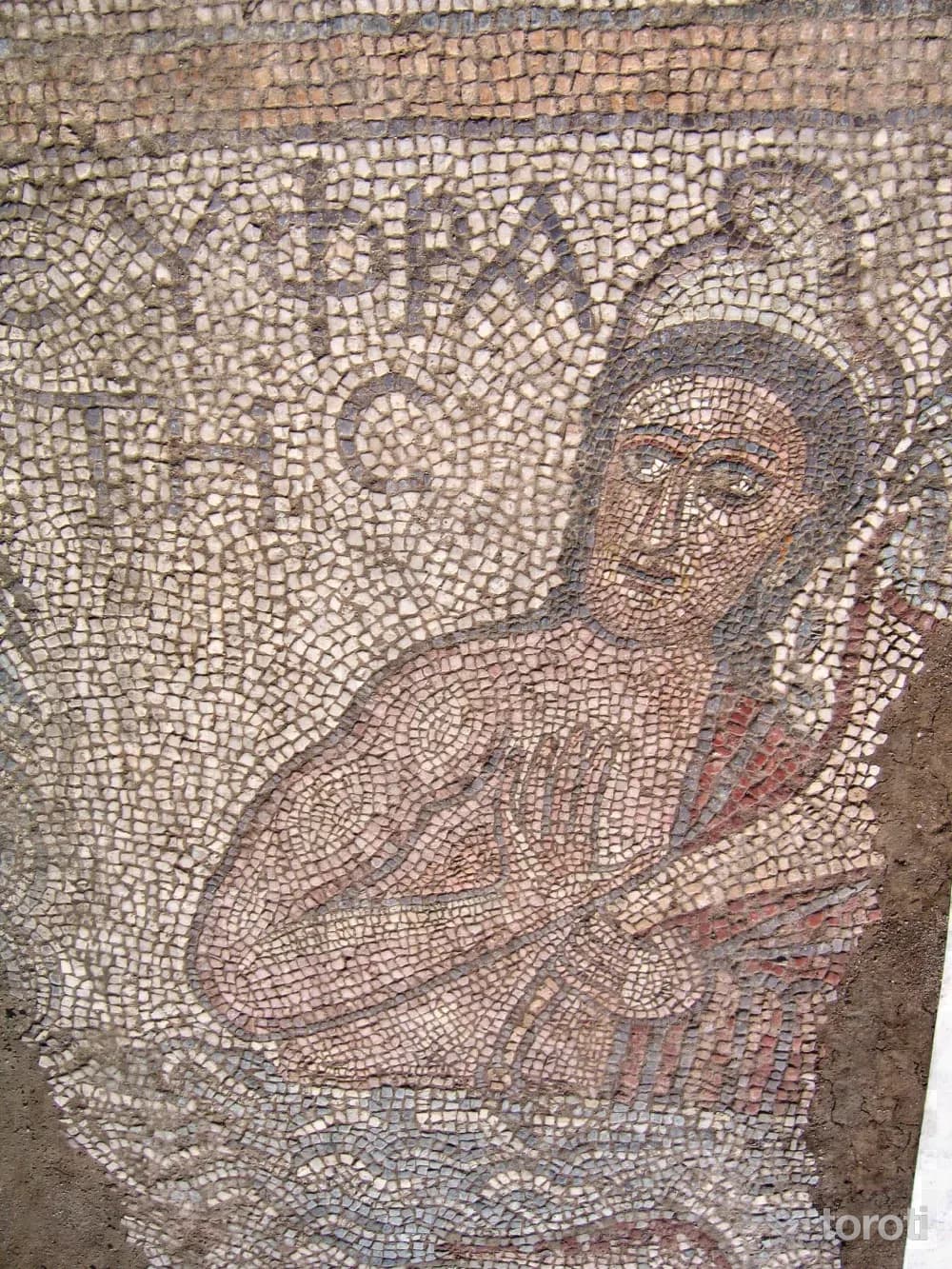
Hadrianapolis Antik Kenti
The place called “Paphlagonia Hadrianapolis” is today located in a scattered manner on the area called ‘Viranşehir’ and the surrounding land, 3 kilometers west of the Eskipazar District Center of Karabük Province. Hadrianapolis Ancient City includes the villages of Budaklar, Büyükyaylalar, Çaylı and Beytarla. The ruins of the city are concentrated in Hacı Ahmetler Neighborhood of Budaklar Village, and this location is called Viranşehir.
45 minutes
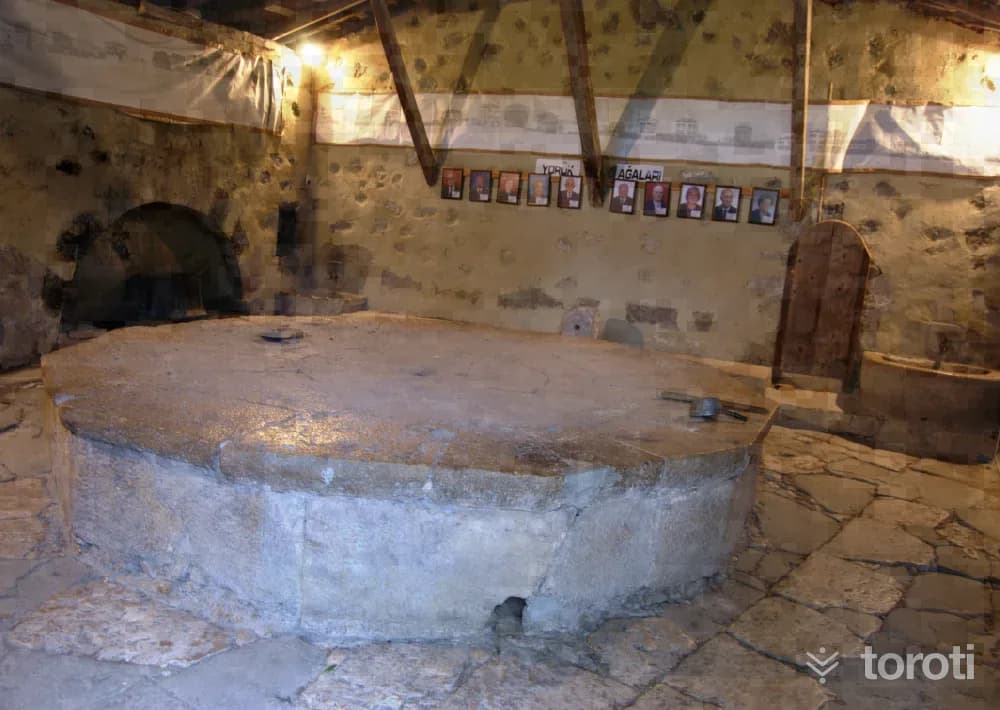
Yörük Köyü
Yörük Köyü, a small model of Safranbolu, was included within the urban protected area in 1997 due to being a genuine Turkmen village and was placed under protection by the Ministry of Culture and Tourism.
45 minutes
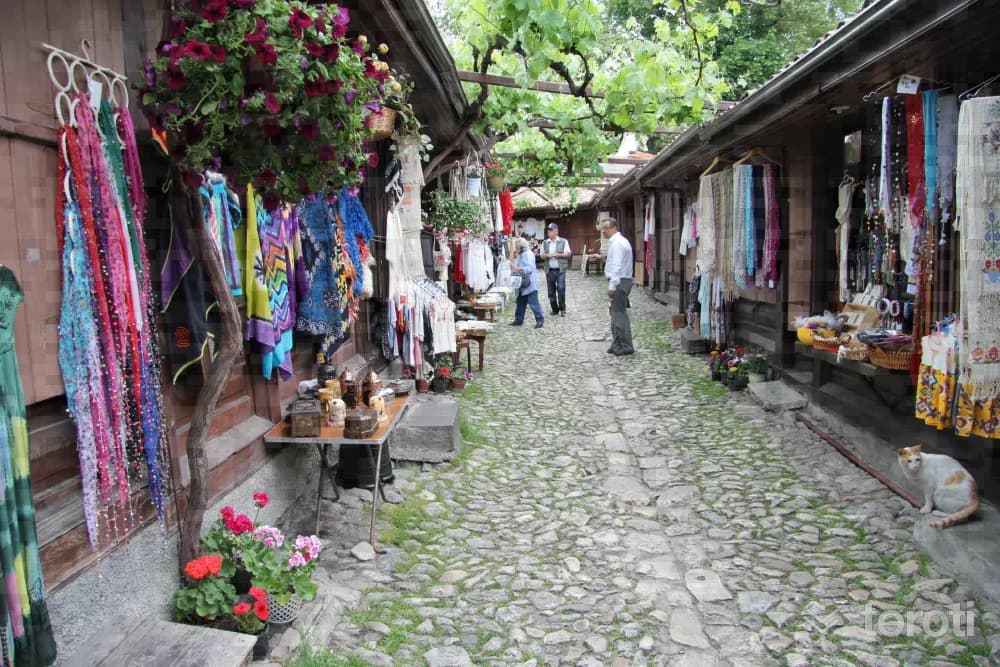
Yemeniciler Arastası
Safranbolu is a stopping point on the Gerede-Sinop caravan route, one of the most important links connecting the main Asia-Europe trade route passing through northern Anatolia to the Black Sea. The size of Cinci Hanı, built in the city center in the mid-17th century, is an important example proving this function of the city. In the years when the han was first built, it consisted of 63 rooms and camel stables.
45 minutes
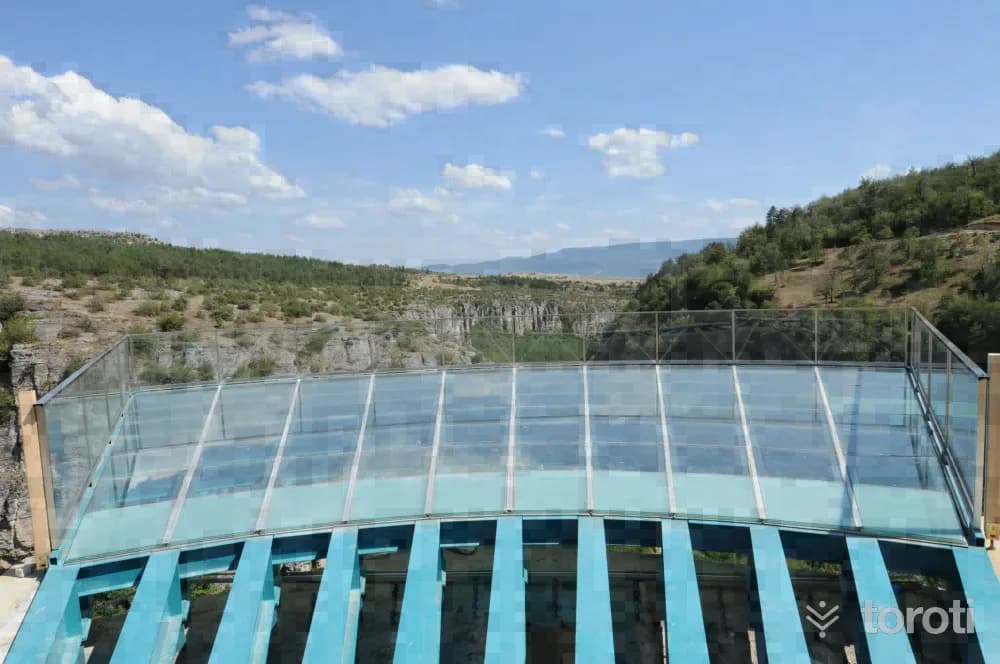
Tokatli Kanyonu
Safranbolu is famous not only for its historic houses but also for its canyons. Tokatlı Kanyonu has a special place among the canyons in the region. It is a unique place where you can see animals such as squirrels, horses, and geese; enjoy experiences such as paintball and horse riding; and enjoy nature on an approximately 9-kilometer walking trail. Tokatlı Kanyonu was formed as a result of the erosion of the limestone layers in the bed of Hızar Çayı over thousands of years.
45 minutes
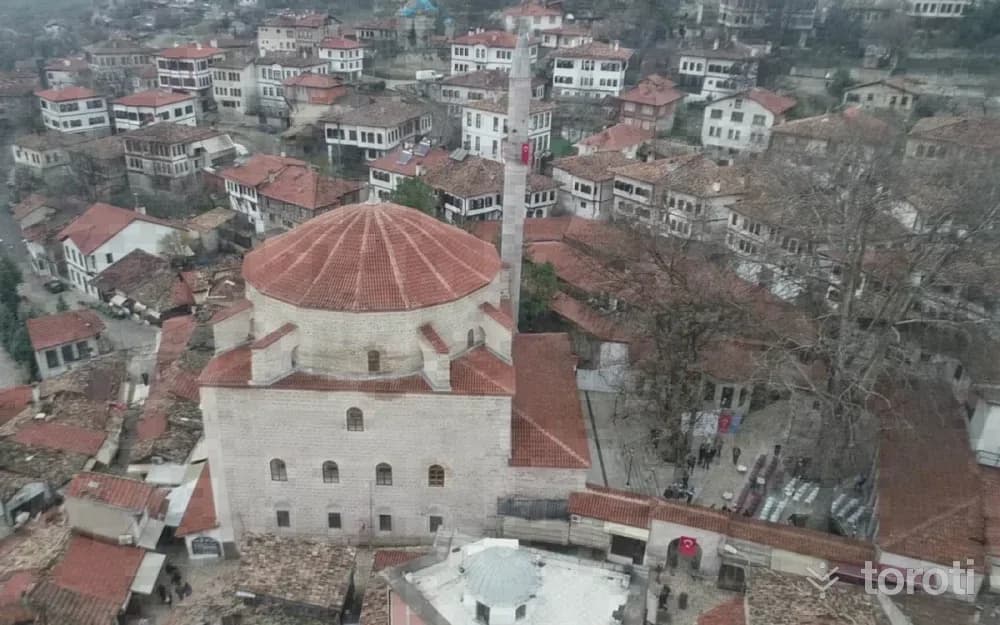
Köprülü Mehmet Paşa Cami
It was commissioned by Grand Vizier Köprülü Mehmet Paşa (H.1072/M.1661). The mosque is in Çeşme Mahallesi in the Bazaar. It has no inscription, but the seal of the Köprülü Mehmet Paşa Foundation, to which the mosque is attached, bears the date H.1072/M.1661. The mosque was probably opened for worship in 1661. It is also understood from a handwritten Quran sent by Grand Vizier Köprülü Mehmet Paşa that the mosque was opened for worship in 1661.
45 minutes
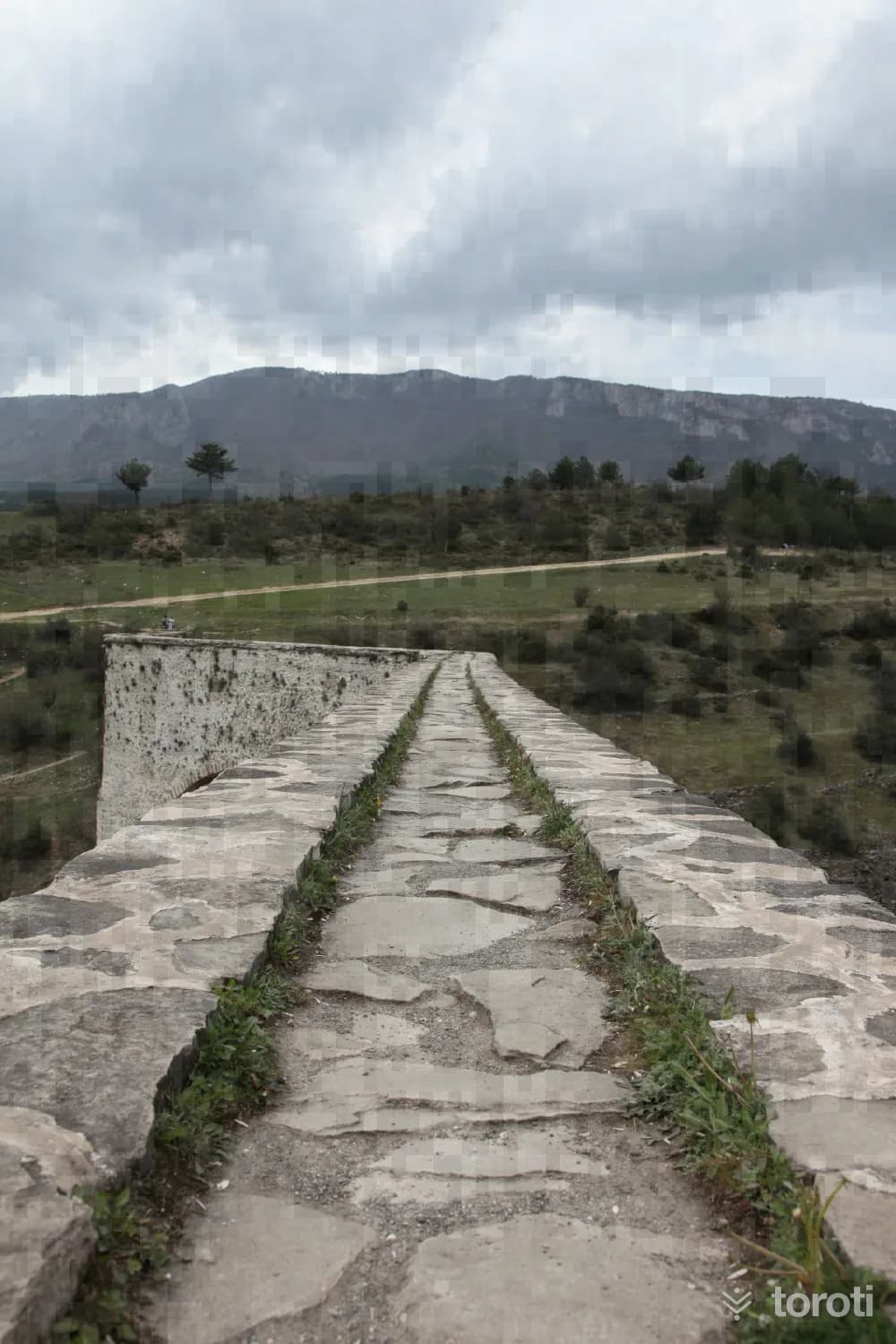
İncekaya Su Kemeri
This work, which has architectural value and whose initial construction date is disputed, is one of the works restored by Grand Vizier İzzet Mehmet Paşa and brought to the city. It is known that the aqueduct underwent repairs in 1794-1798. The 116-meter-long aqueduct is approximately 60 meters high from the ground. The 5-arched section on top of this large aqueduct was built entirely of stone and Horasan mortar.
45 minutes
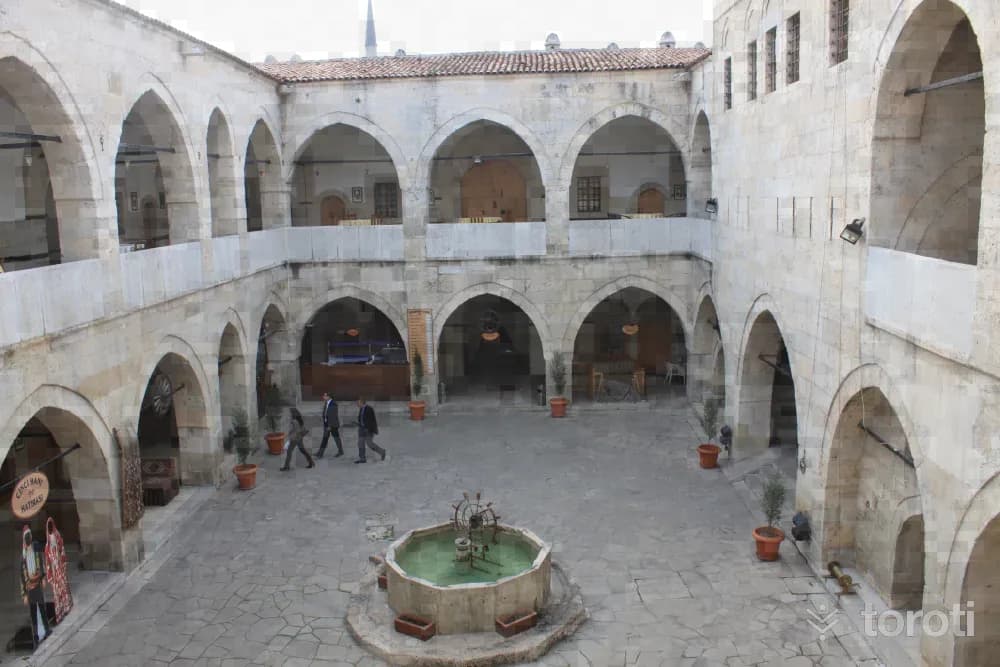
Cinci Hanı
One of the hundreds of large and small caravanserais established on the historic Silk Road stretching from China to the lands of Anatolia over the centuries is Cinci Han in Safranbolu. Cinci Han was built in 1645 by Karabaşzade Hüseyin Efendi of Safranbolu (Cinci Hoca). Although its architect is not known for certain, it is thought to have been built by Koca Mimar Kazım Ağa.
45 minutes
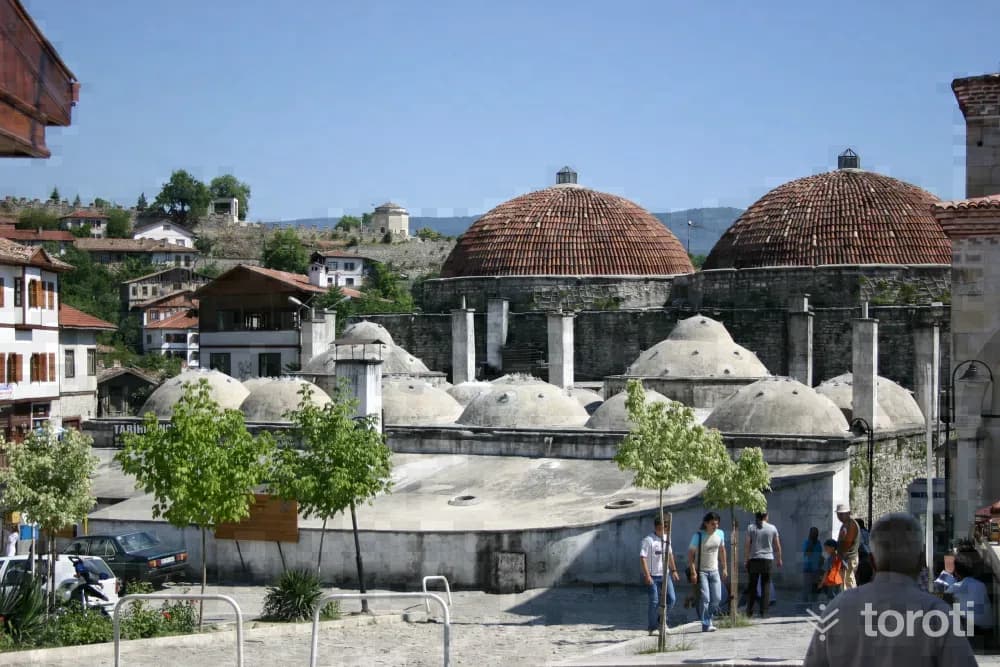
Cinci Hamamı
It is located in the bazaar in Çeşme Mahallesi. It was commissioned by Cinci Hüseyin Hoca and is registered to the Hamide Hatun Foundation, his mother. It consists of women's and men's sections. The plan is the same in both sections. This bath belongs to the group of baths with a cruciform hot section. In both sections of the bath, the cold rooms are covered by a dome with squinches. The toilets are located in the warm section. The hot section has a cruciform plan. At the back are the furnace and the hearth.
45 minutes
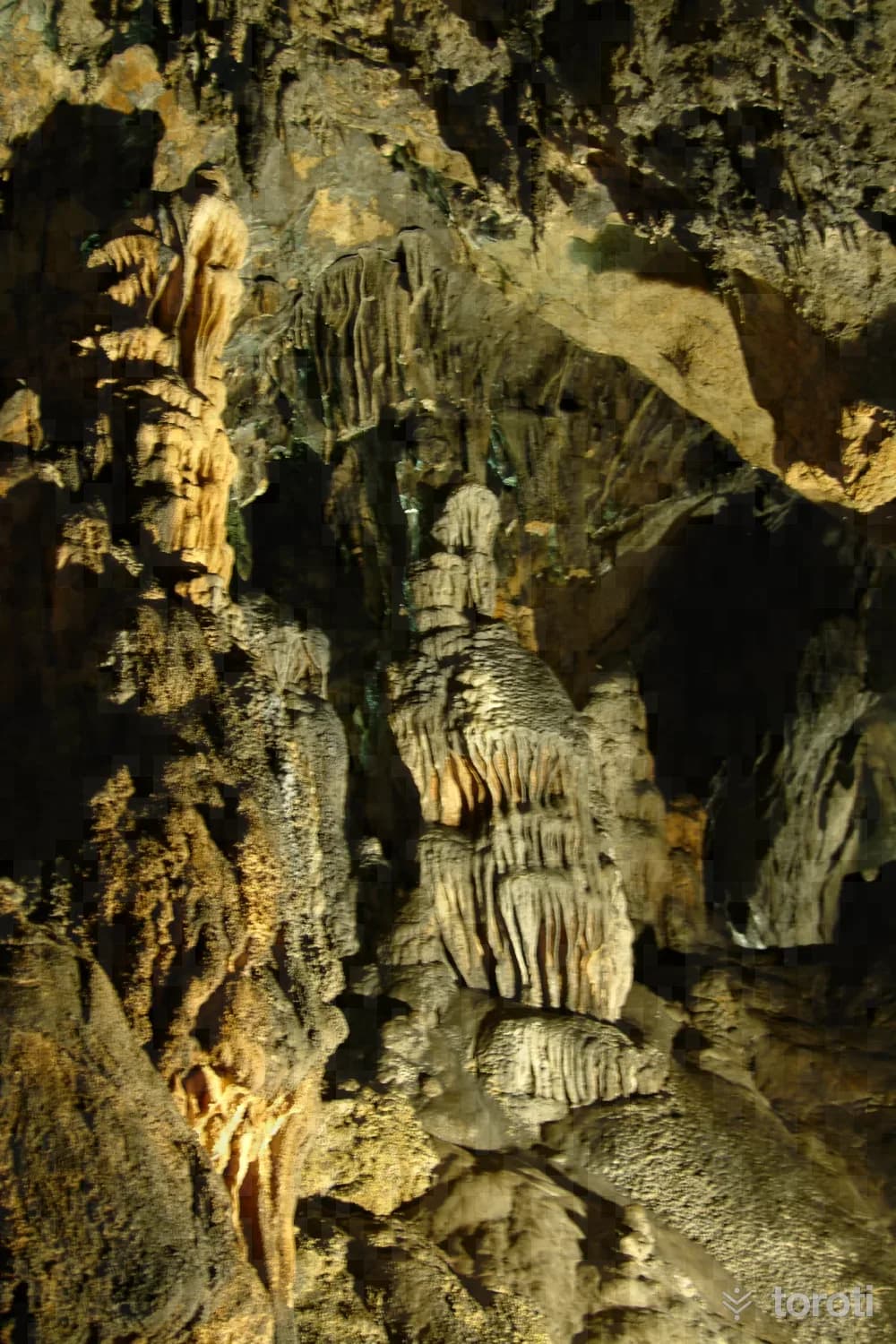
Bulak / Mencilis Mağarası
The entrance of Bulak (Mencilis) Cave, which is located within the borders of Karabük Bulak Village and also on the border with Safranbolu District, is on steep rocks, and the cave is 6.5 kilometers long. A 2.5-kilometer section of the cave has been mapped, and a 380-meter section has been electrified and provided with a walking track and opened to tourism.
45 minutes
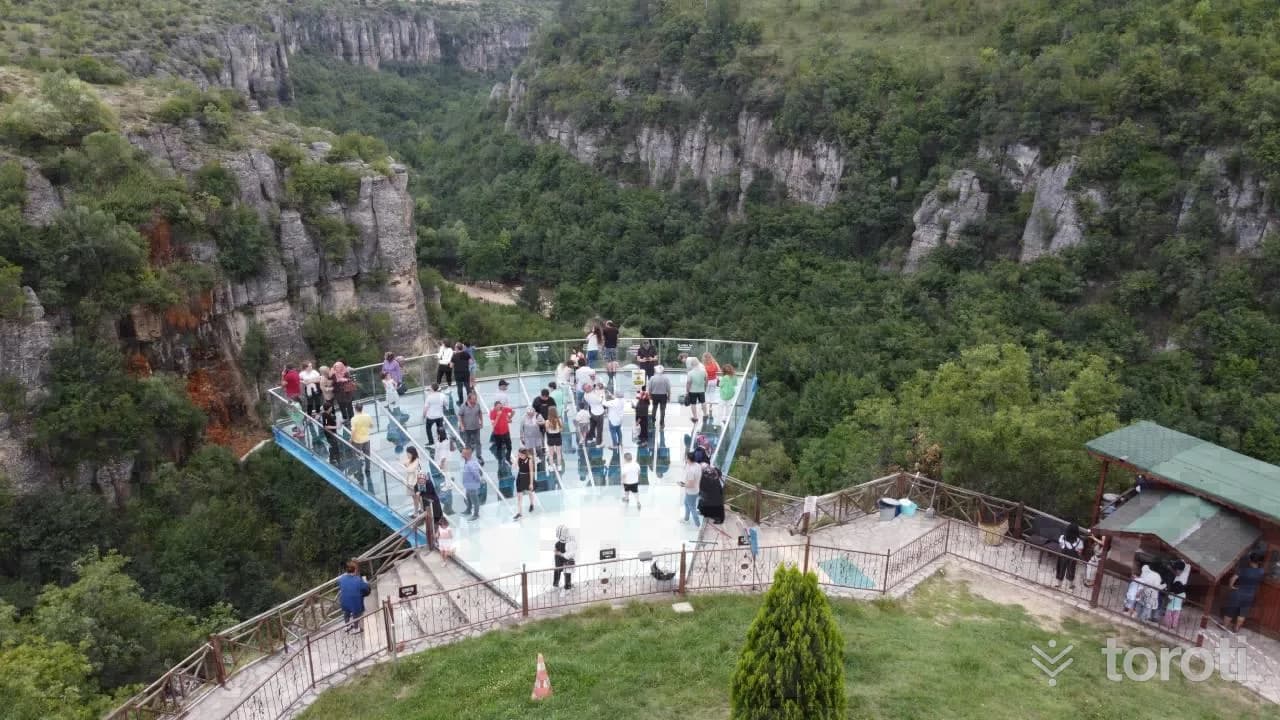
Seyir Terası
Built over Tokatlı Canyon at a height of 80 meters above the ground and 11 meters wide in order to contribute to Safranbolu tourism, the Crystal Terrace (glass observation terrace) can carry a weight of 75 tons. The glass observation terrace, which does not break even with a rocket-propelled grenade shell, consists of cells each with a capacity to carry 750 kilograms and 3 pieces of glass, each 3 centimeters thick.
45 minutes
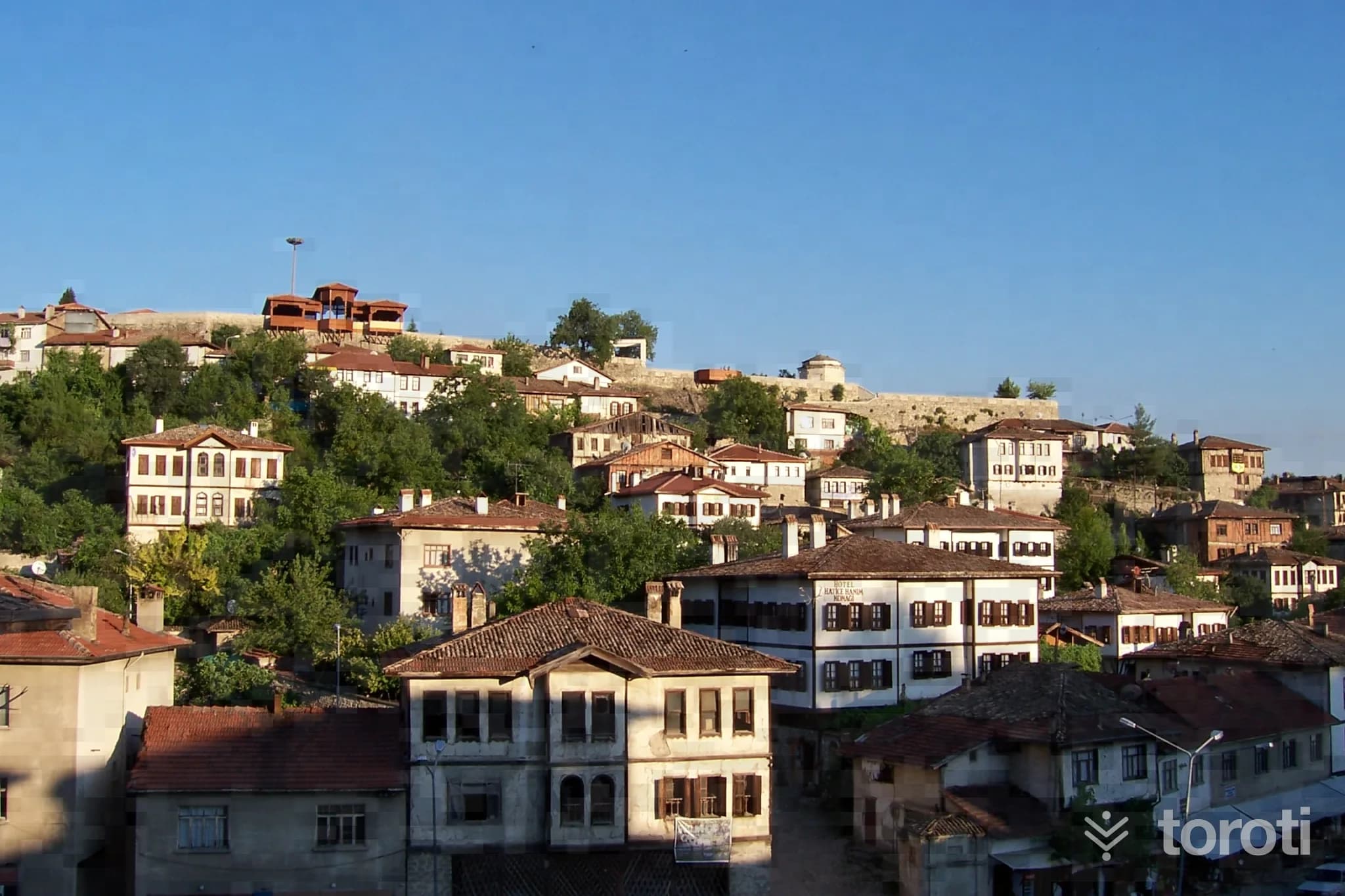
Safranbolu Evleri
These houses are noteworthy both for their urban locations and for their architecture. In the district center, there are approximately 2000 traditional Turkish houses built in the 18th and early 19th centuries. The houses are grouped in two separate parts of Safranbolu. The first is the part known as şehir, used as winter quarters, and the second is the part known as bağlar, used as summer quarters.
45 minutes
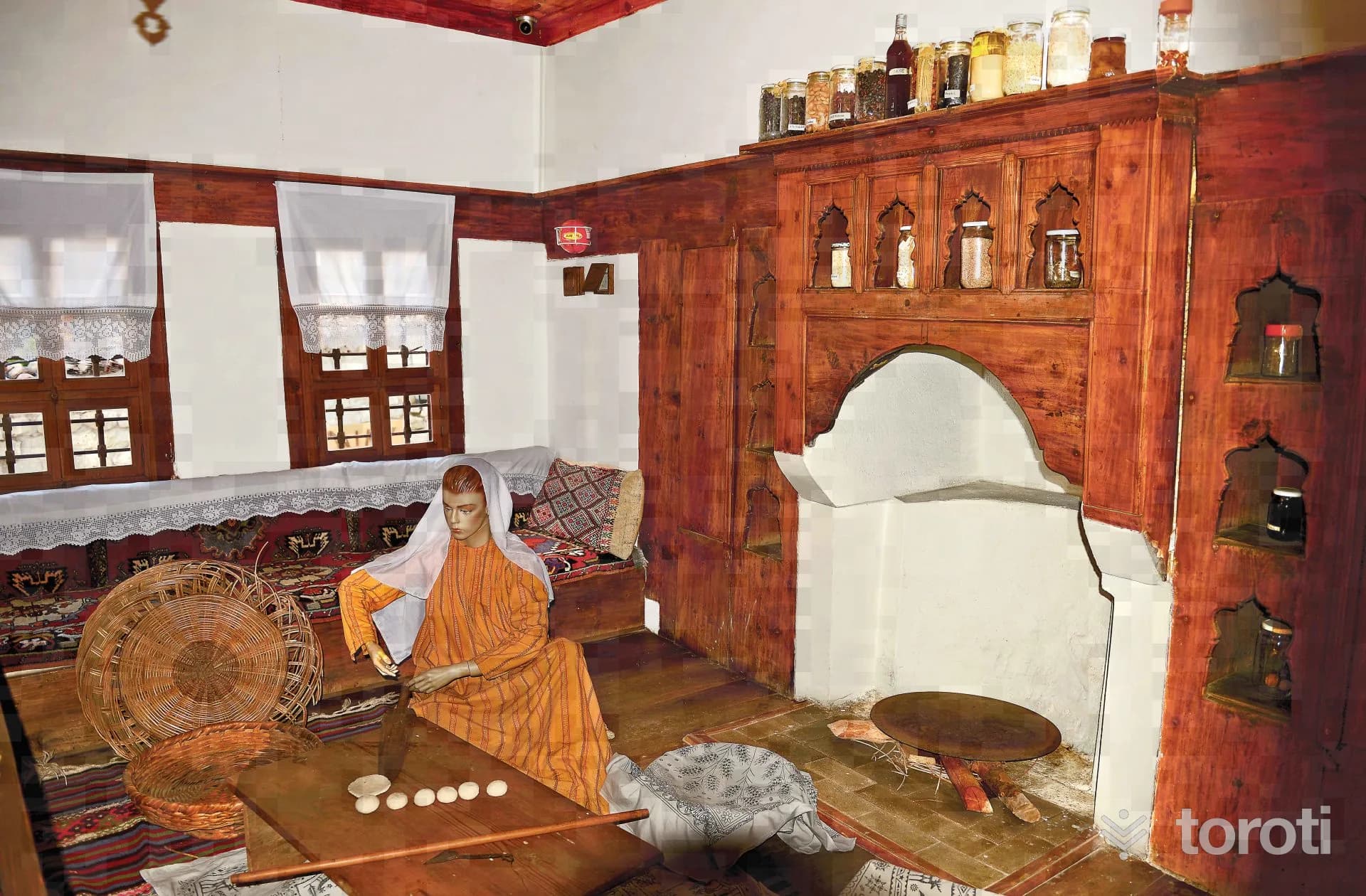
Kaymakamlar Müze Evi
Kaymakamlar House is an important example among the Safranbolu Houses, reflecting the history, culture, way of life and technology of Turkish society in the 18th and 19th centuries. It is thought to have been built in the early 19th century. Its owner is Hacı Mehmet Efendi, the commander of the Safranbolu Barracks.
45 minutes
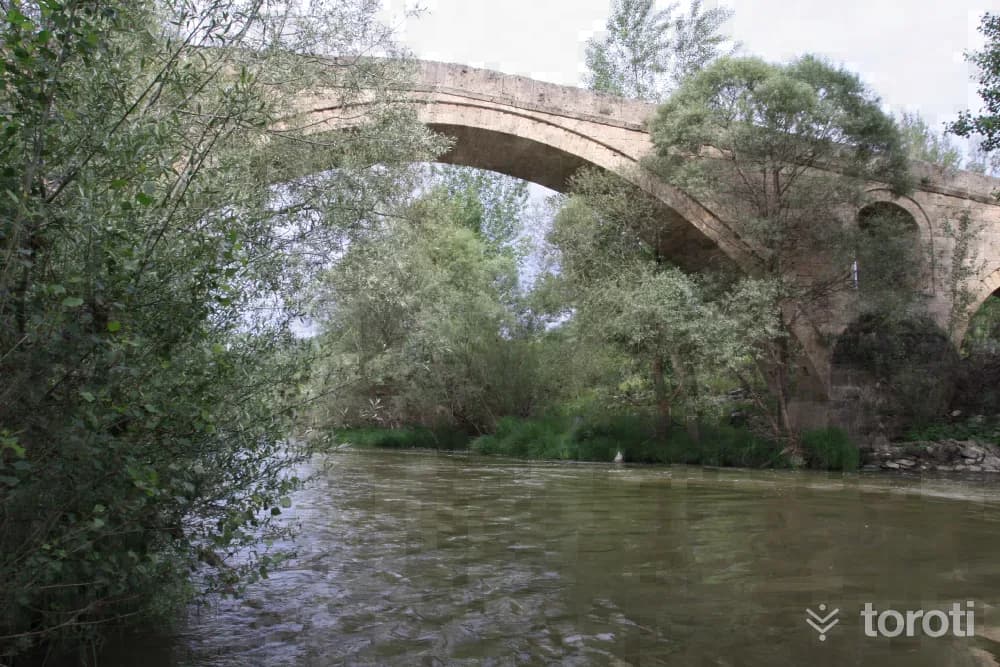
Akbaş Köyü Köprüsü
Akbaş Village Bridge, built over Melan Stream in the Çerkeş District, was commissioned by Hacı Gökmen of Çerkeş to craftsmen from Safranbolu at the beginning of the 20th century.
45 minutes
Karabük Yaylaları
Our province is a tourism paradise with its plateaus, rich forests, flora and fauna, outstanding landscape views and healing herbs. Our plateaus are attracting increasing interest for taking walks for a healthy life in the cool and clean air with plenty of oxygen, living together for a short time with people living in the villages, pitching tents, sitting around a campfire and chatting, observing and photographing wild animals in their natural habitats, and examining plant species.
45 minutes
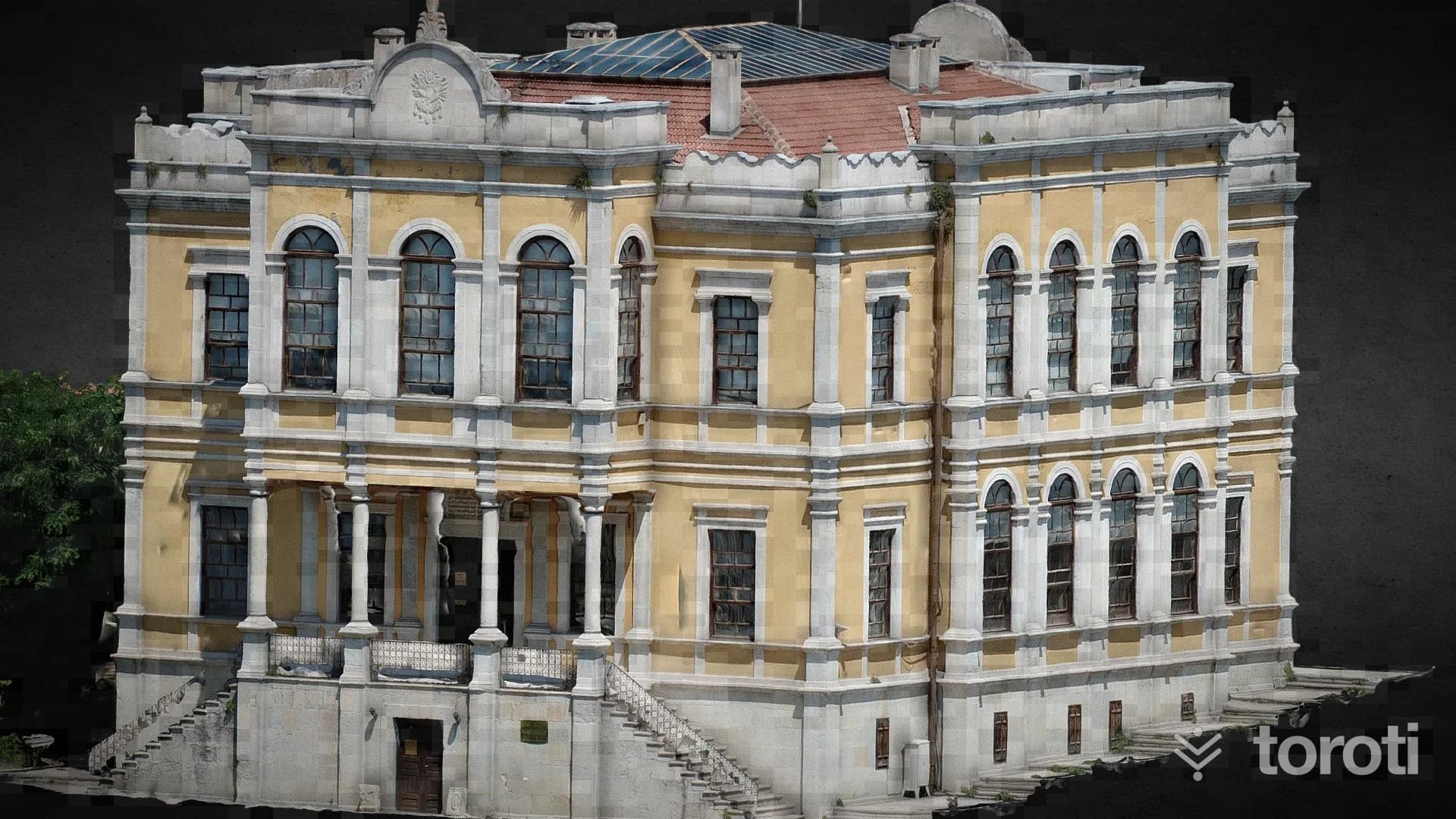
Safranbolu Kent Tarih Müzesi
The Safranbolu City History Museum is an important museum showcasing the daily life of Safranbolu in a historic building.
45 minutes
Mümtazlar Konağı
Mümtazlar Konağı is a beautiful example of traditional Ottoman-Turkish architecture, built in 1888.
30 minutes