Places to visit
Things to do in Cizre
21 destinations, each with a description, how long it takes and where it sits on the map.
In short
toroti’s catalogue holds 21 described destinations within Cizre, Şırnak. The themes that come up most: Faith heritage, Local culture, History.
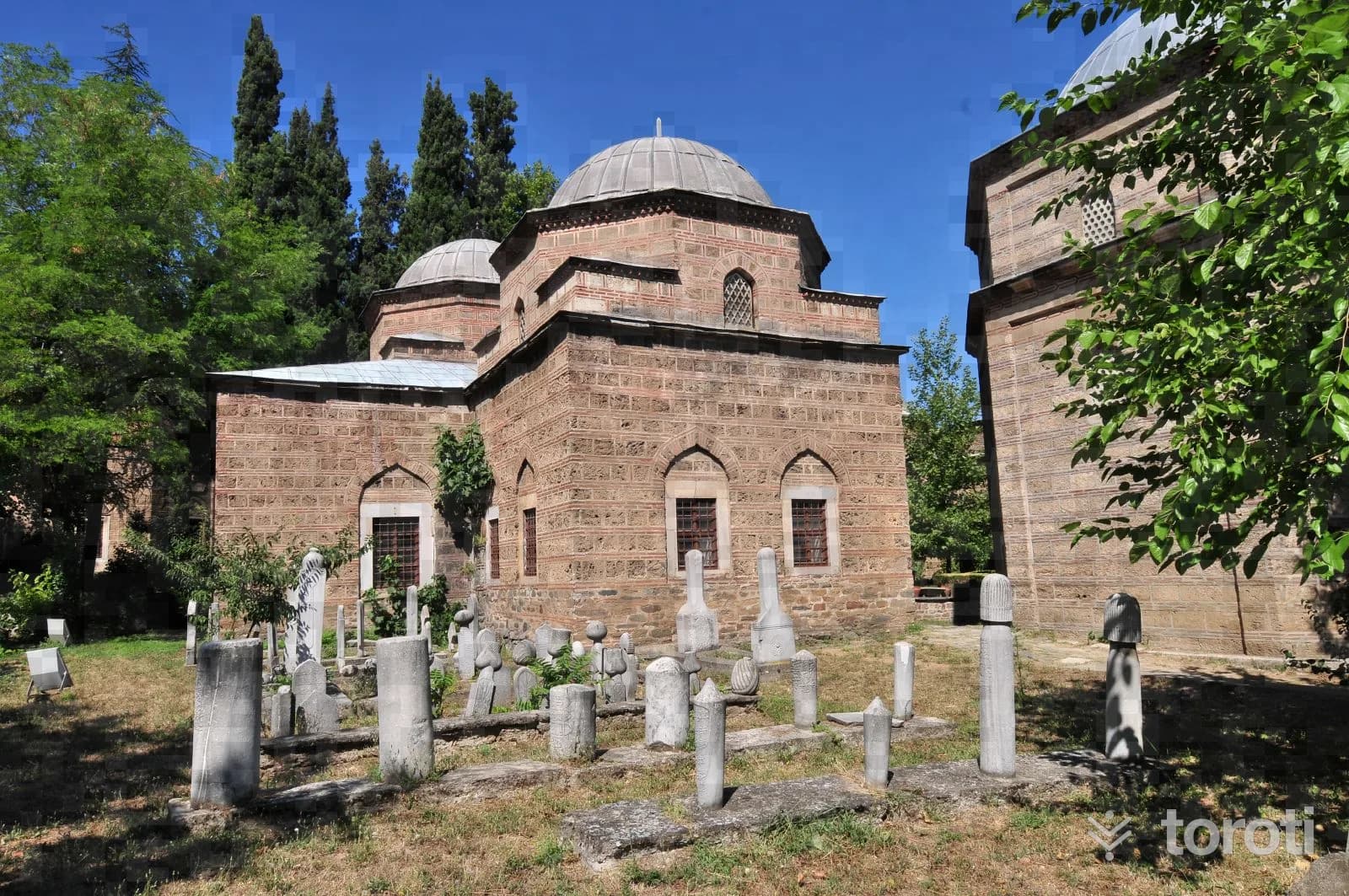
Kul Mustafa Türbesi
The tomb is located to the east of the cemetery in the south of Cizre. The top of the structure, which is partially intact, was later covered with a reinforced concrete flat roof. In places, traces of reinforced concrete repairs can be seen on the exterior walls of the tomb and inside it.
30 minutes
Ciddeyt Değirmenleri
The mills are located on Saklan Deresi, north of Ciddeyt Köprüsü. 1st Mill: It is located at the corner of the side road connecting to the Mardin Cizre Highway, 100 meters northwest of Ciddeyt Köpüsü. 2nd Mill: It is located on the bank of Saklan Deresi, just 50 meters east of the 1st mill. 3rd Mill: It is located 30 meters north of the 2nd mill.
45 minutes
Katip Yusuf Evi
Katip Yusuf Evi, located in the Cizre district of Şırnak, has a rectangular plan. This immovable property, built of neatly cut basalt stone, is entered through a door opening onto the street on the east side. The entrance door, set within a rectangular molded frame, has a round arch. After the entrance door, the courtyard is reached by means of a passage. The courtyard floor, where the tandır and the well are located, has its original stone paving.
30 minutes
Deşti Akabin Köprüsü
It was built outside the city walls of Cizre, near Deşt Gate. There is dense squatter housing around it. Since the stream on which it stands has been completely filled with soil, only a small wastewater channel passes beneath it. The bridge, which has survived to the present day in the condition restored on the instructions of Marshal Fevzi Çakmak, is in sound condition.
45 minutes
Sitti Nefis Pınarı
Sitti Nefis Spring, located in Yafes Neighborhood in the center of Cizre, was built on a sloping terrain in the north-south direction. The structure measures 5.10 x 6.15 m externally, has a rectangular plan in the east-west direction, and its entrance is located in the middle of the north facade. Inside, there is a small pool and a water channel. Today, the structure is largely intact, but its water source has greatly diminished.
30 minutes
Ensari Malikanesi
Ensari Malikanesi, located in Alibey Neighborhood in the center of Cizre, was built on a flat terrain in a north-south direction with a rectangular plan. The building was constructed with a courtyard, an eyvan, and two storeys. It is covered externally with a flat roof. It was built of finely cut stone material. The ground and upper floors are porticoed, and the building has a 'U'-shaped plan with a courtyard in the middle.
30 minutes
Ali Han Ağa Evi / Uysal Evi
The house, located on Büyük Cami Sok. in İsmet Paşa Mah., is within a garden. The garden is entered through the street gate facing west. Ali Han Ağa House is arranged as a two-storey building. There are two rooms on the ground floor, and the second floor is reached by the stairs inside the house.
45 minutes
Mehmet Ağa Kasri
The Mehmet Ağa house, located in Cizre center in the Dağkapı neighborhood, was built on a flat piece of land in the north-south direction. It was commissioned by Hamidiye Major Fettah Ağa.
45 minutes
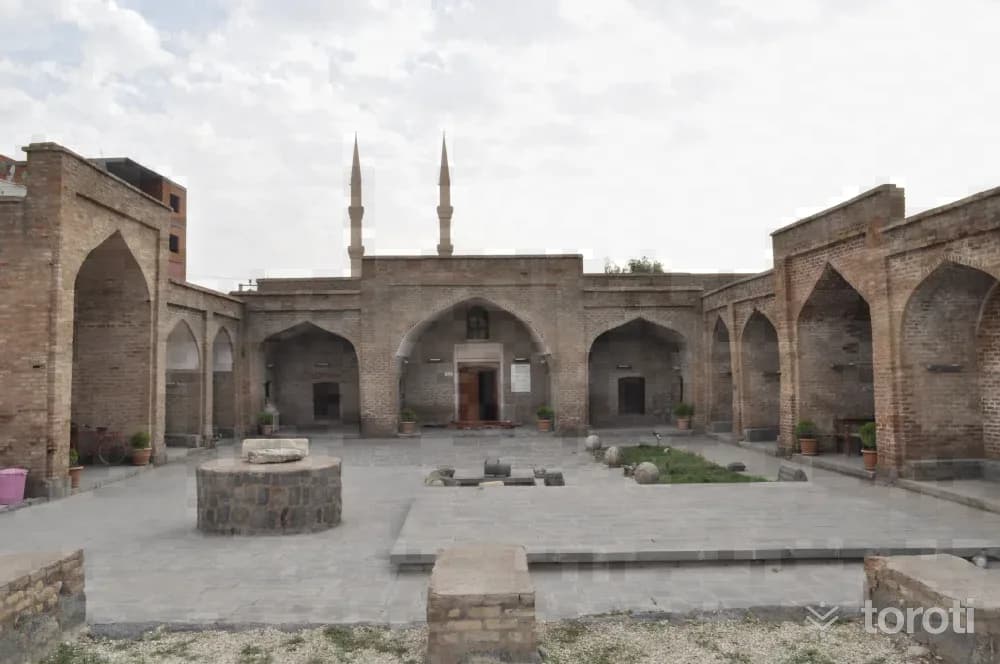
Kirmizi Medrese
Kırmızı Medrese was commissioned by II. Han Şeref Bey in the 14th century during the period of the Cizre Principality. It was named Kırmızı Medrese because it was built of red bricks. It served as an institution of higher education where the region’s scholars of the period were trained. Mahmut Peynirci Medrese was built in the Dağ Kapı Neighborhood, on the remains of the city walls to the west of the city. The madrasa was built within an area that also contains many other important structures dating to different periods.
45 minutes
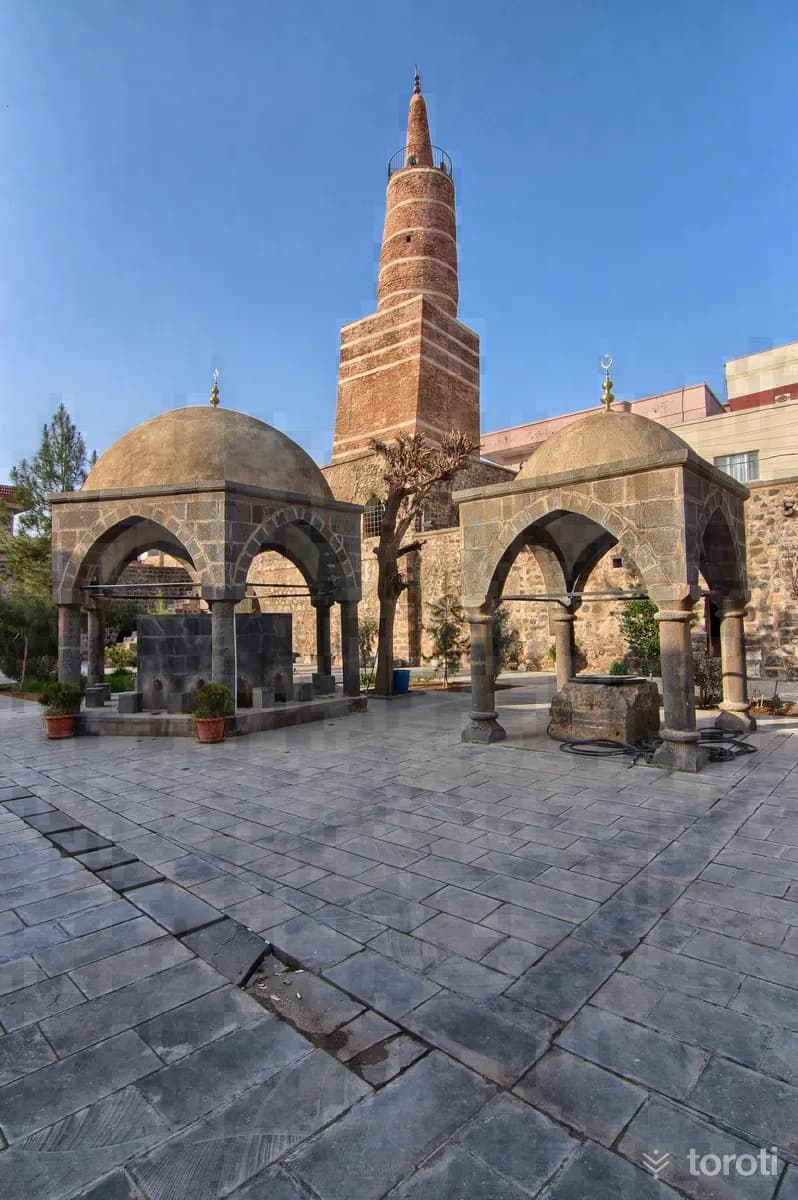
Ulu Cami
With Cizre’s acceptance of Islam, it was converted from a church into a mosque in 639. During the Abbasid period, the mosque was demolished and taken into repair. In 1160, it was rebuilt by Al Sencer, the son of Cizre Beyi Baz Şah. Its square minaret, built in 1156, underwent restoration 2 times in 1945-1946 and 1971. One of the famous dragon figures made by Ebul-İz on the doors of Cizre Ulu Camii is located in the Turkish and Islamic Arts Museum in Istanbul.
30 minutes
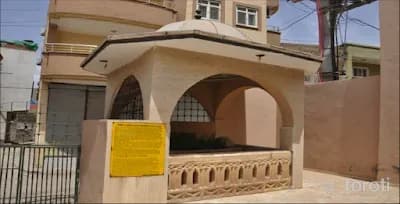
Ebu'l-İz El Cezeri Türbesi
Ebu'l-iz El Cezeri is a scientist, engineer, and pioneer of the science of cybernetics. In his work titled Kitab-ı Hiyel, he describes in detail his automatic machines, water clocks, water pumps, water balances, and musical instruments. Cezerî provided the designs of 50 devices in his book. For this reason, he has deserved to be one of the sources of pride of these lands.
45 minutes
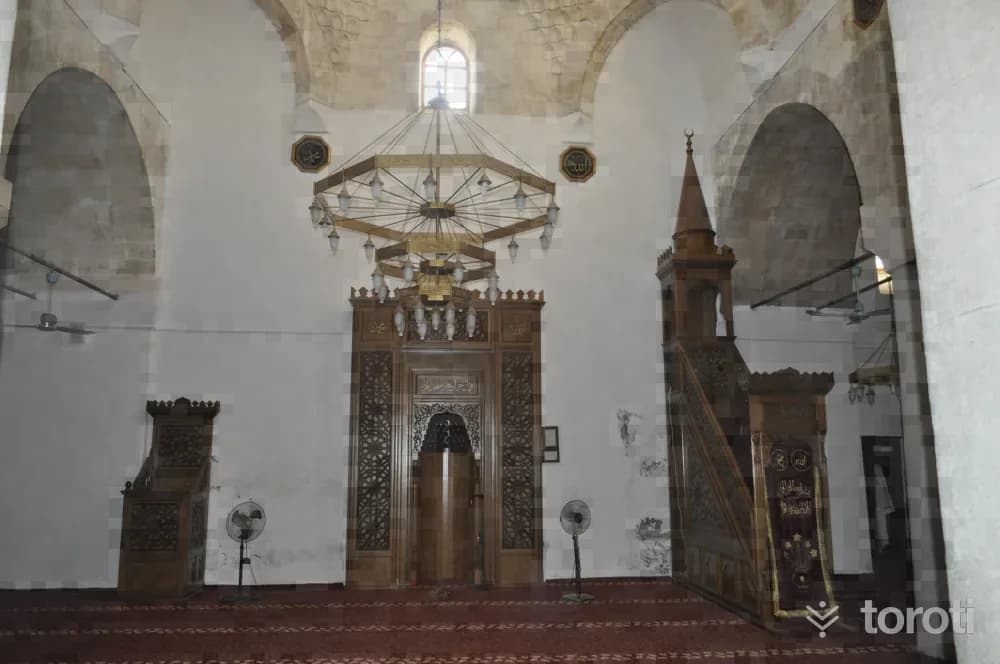
Cizre Ulucami
Located in the city center of Cizre, in Dağ Kapı Mahallesi, the structure has survived to the present day through additions and repairs made at different times. There are 8 inscriptions on the structure. According to these inscriptions, it is understood that the mosque was built during the period of the Atabegs of Mosul in the years A.D.1155-1160, and was repaired in 1203 and 1284. The most recent restoration was carried out in 2007 by the General Directorate of Foundations.
45 minutes
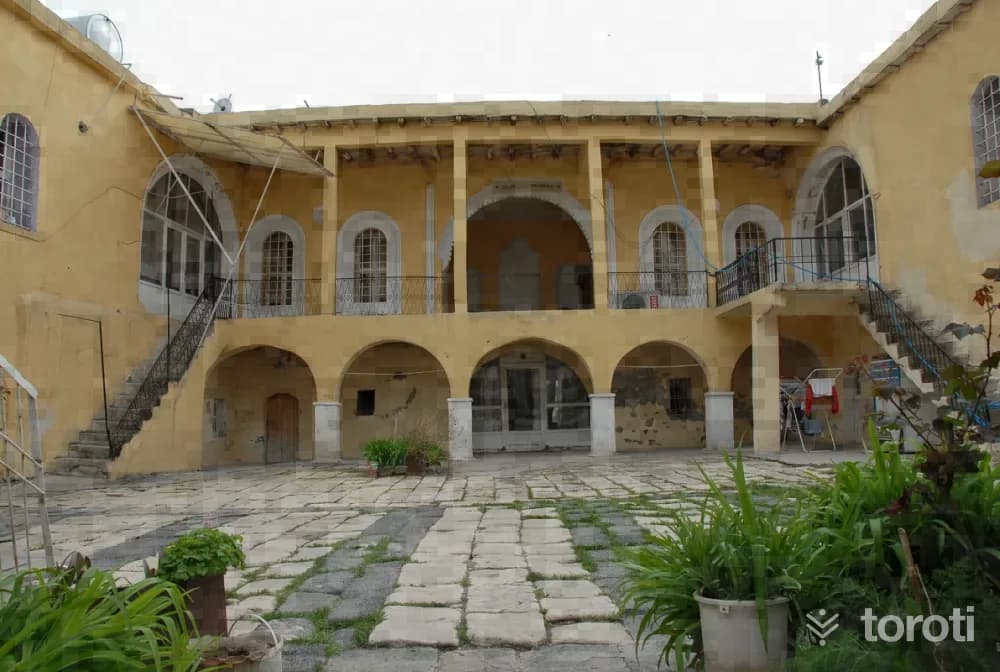
Ensari Evi
Ensari Evi, located in Alibey Mahallesi in Cizre Merkez, was built with a rectangular plan on a flat terrain in the north-south direction. The structure was built with a courtyard, an iwan, and two storeys. It is covered externally with a flat roof. It was built of smoothly cut stone material. The ground and upper floors are porticoed, and the structure has a 'U'-shaped plan with a courtyard in the middle.
45 minutes
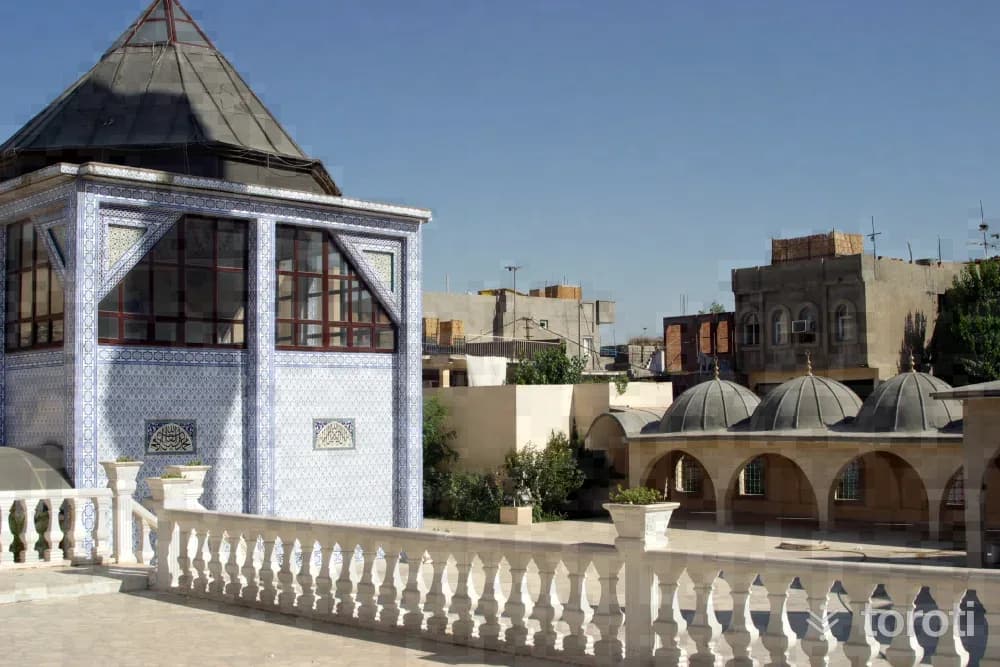
Hz. Nuh Cami
Prophet Noah, who has been regarded as the second father of humanity since the Flood, lies in the mosque named after him. The tomb of Prophet Noah is on the basement floor. Since the second-floor sections of the mosque collapsed over time, repairs were made, flat concrete was poured, and it was altered from its original form. The tomb and the mosque have been restored.
45 minutes
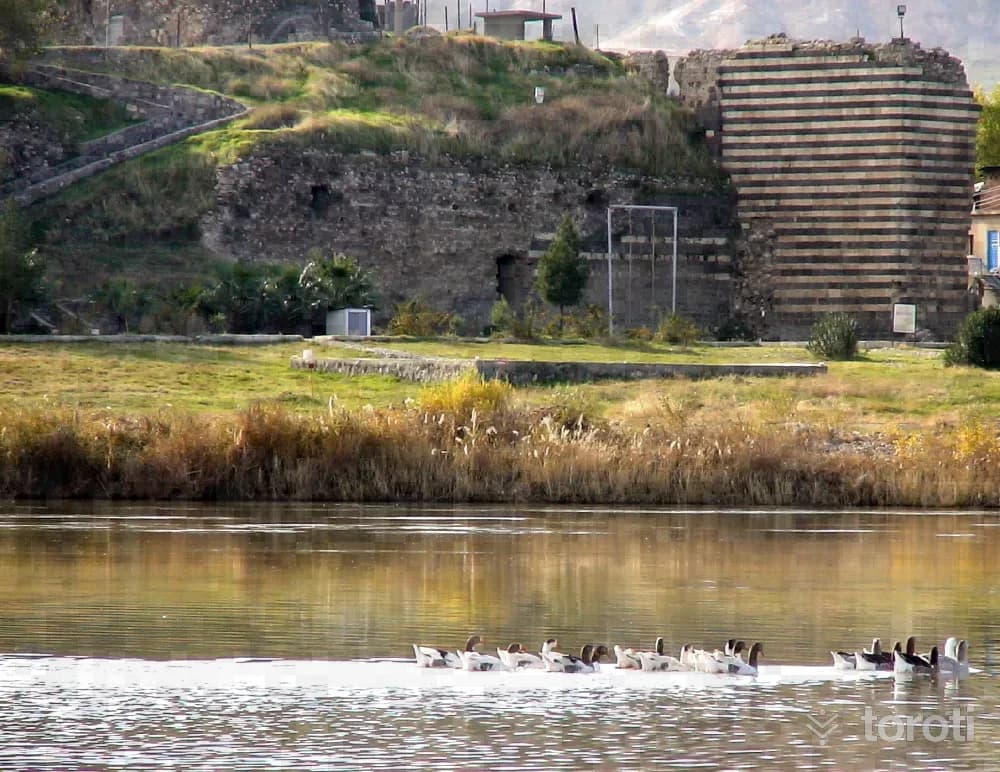
Cizre Kalesi
The castle, established on the bank of the Tigris River in the city center of Cizre, consists of an outer castle and an inner castle. From the remains, the construction process of the castle can be traced from the Roman and Byzantine periods onward, and it has survived to the present day in the form it took during the period from the XIIth century to the XVIth century, that is, during the periods of the Mosul Atabegs and the Cizre Beys.
45 minutes
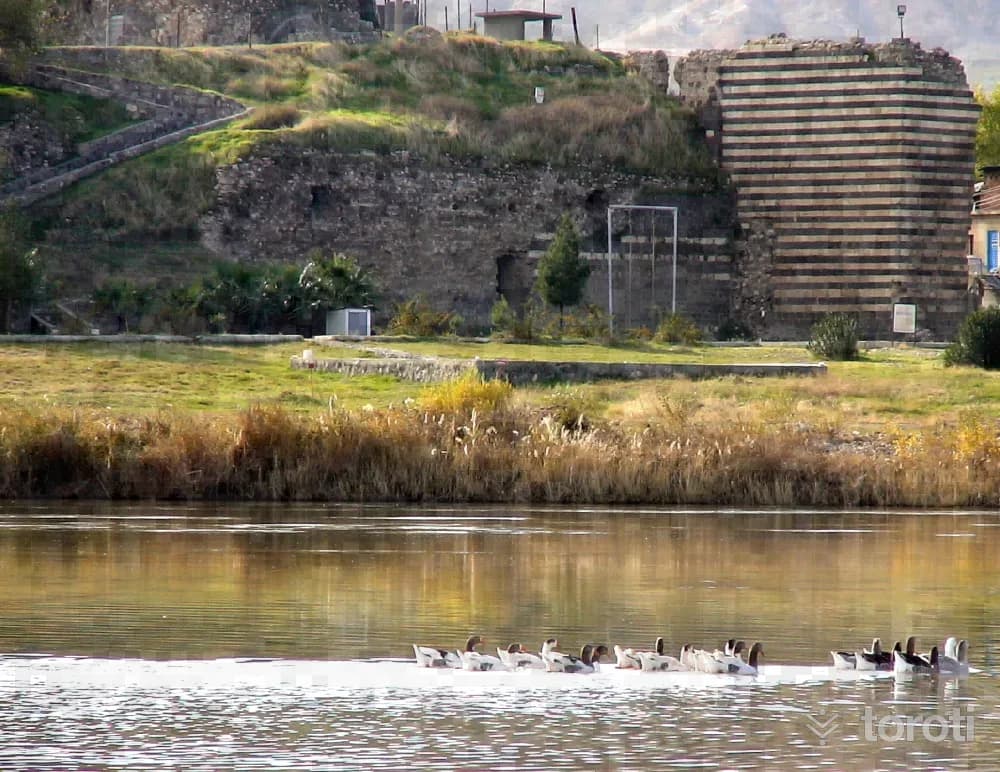
Cizre İÇ Kale
Cizre city center was established on the bank of the Tigris River. It is located within a military zone. It is in use by the Border Battalion Command. Here, two parallel fortification walls extend in an east-west direction. The first wall to the north is close to the river and joins the outer walls from the east.
45 minutes
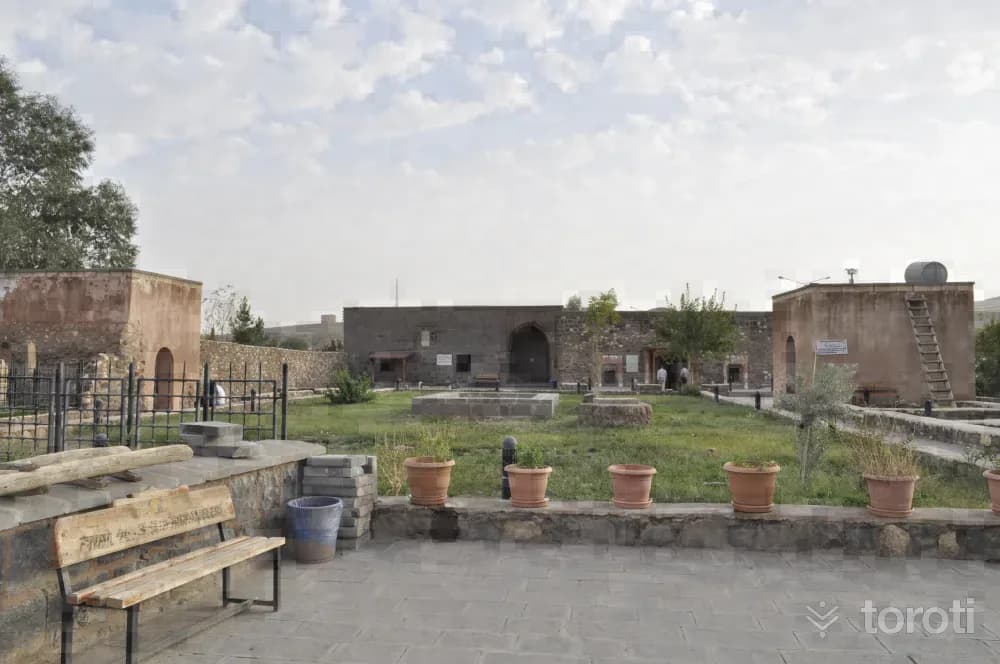
Abdaliye Medresesi
The madrasa was commissioned in 1437 by Emir Abdal (Abdullah) ibn Abdillah Seyfettin Bohti. Of the structure, the mosque, tomb, one madrasa cell, the entrance unit providing access to the courtyard, and one iwan have survived to the present day.
45 minutes
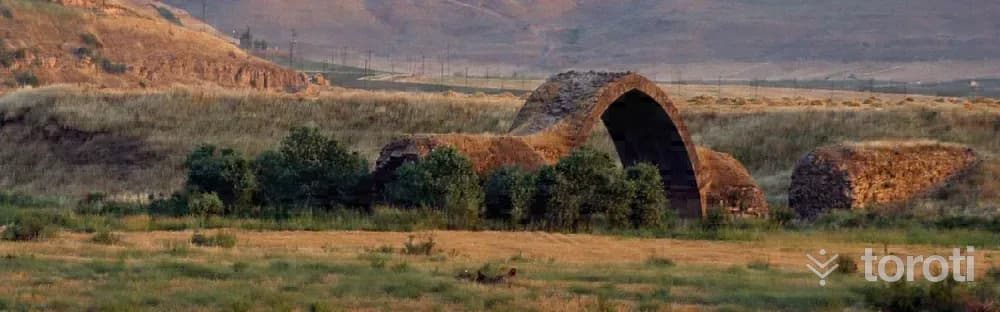
Yafes Köprüsü
Although it is located in Cizre, today it remains within the borders of Syria because the bed of the Tigris River has changed. Today it is in the state of a ruin, with only its large arch and some piers remaining intact. Yafes Köprüsü was built in the XIIth century, during the Seljuk Period, by the Atabegs of Mosul.
45 minutes
Hamidiye Kışla Binası
It is the building commissioned by Mustafa Paşa, the Commander of the Hamidiye Regiments established in Cizre during the reign of Sultan Abdulhamid II, after 1892 at the southeast corner of Cizre Castle in order to manage the regiments’ dispatch and administration. The Hamidiye Barracks Building began to be built after 1892, when the regiments were established. Today, the building is one of Cizre’s cultural assets that has preserved its characteristics and remains standing in good condition.
30 minutes
Eski Belediye Binası
It is located on Belediye Caddesi in the center of Cizre. It was built as a municipal building in the late Ottoman period. It has remained squeezed in among the other houses on the street. It has a rectangular plan in the north-south direction and is two storeys. It has a plan consisting of one room on each side, arranged around a central hall. The west facade facing the street is enlivened with windows, a door and a balcony.
30 minutes
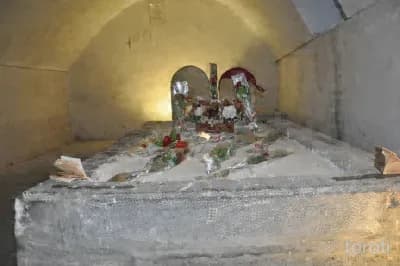
Mem U Zin Türbesi
Abdaliye Medresesi is built on the Cizre Wall connecting Cizre Dağkapı Neighborhood to the cemetery. Mem-u Zin Tomb is in the basement beneath the administrative rooms of this madrasa. There are three graves inside. The graves belong to Zin, Bekir and Mem. On one of the gravestones, there is the inscription “his death was in 854, may Allah have mercy on him and all Muslims.” Mem-u Zin is a story of divine love.
45 minutes