Places to visit
Things to do in Muş merkez
13 destinations, each with a description, how long it takes and where it sits on the map.
In short
toroti’s catalogue holds 13 described destinations within Muş merkez, Muş. The themes that come up most: Faith heritage, History, Local culture.
Abdülvahap Gazi Türbesi ve Çatbaşı Şehitliği
Adjacent to the tomb, there is a large hall, and immediately to the east of the hall there is a mosque built for worship and rest. Inside the tomb, there are three graves. Immediately to the left of the entrance lies Abdülvahap Gazi, one of the Sahabe-i Kiram, and immediately to the right lie Tarışlı (Silvan) Şeyh Şeref and Hacı Tayyip Efendi, one of the scholars of Muş. It is a tomb integrated with the cemetery.
20 minutes
Alaaddin Bey Hamamı
It was commissioned by Alaaddin Bey on the same date as Alaaddin Bey Camii. The bath, which is still in use today, is one of the works from the late Ottoman period. Plant motifs were used in the interior decorations of the work, whose building materials and architectural features are similar to Alaaddin Bey Camii. Another interesting feature of the bath is the turtle relief located immediately above the door at the entrance to the large lodge.
20 minutes
Kalecik Kalesi
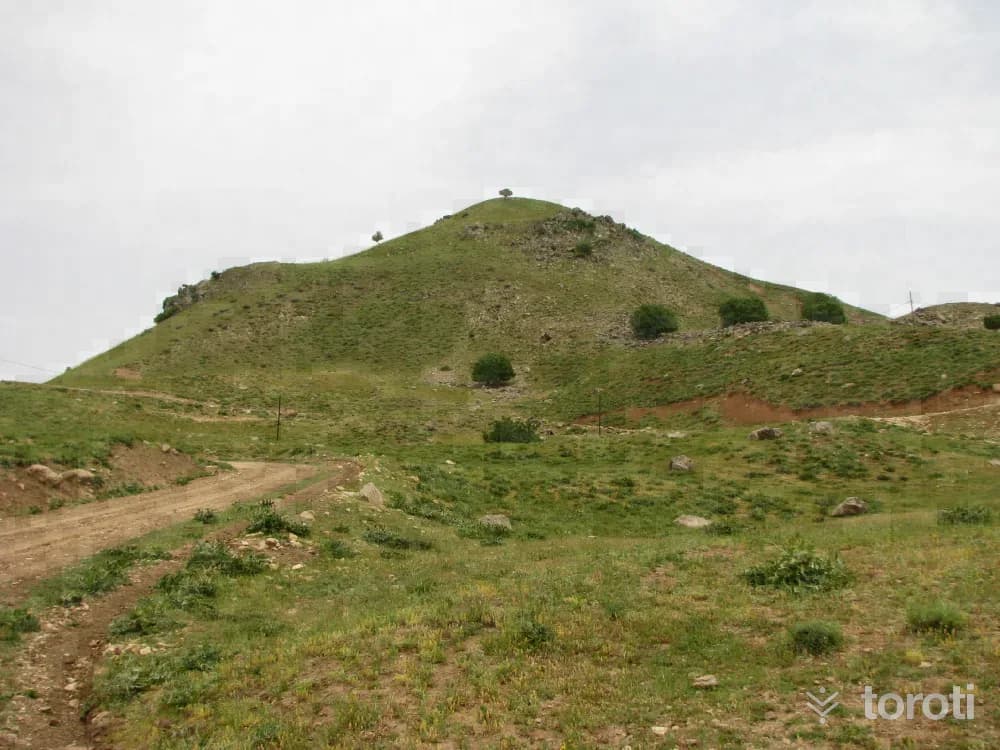
It is located within the borders of Kalecik Village. When the area around the castle is fully toured, the castle walls can be seen very clearly. No trace remains of the upper parts of the rubble stones forming the castle walls; only their lower foundations are visible. In the upper parts of the castle, it is very clearly seen from the structural remains that have emerged that the same material used in the rampart walls was also used in the interior spaces of the castle.
45 minutes
Muş Arak Kilisesi
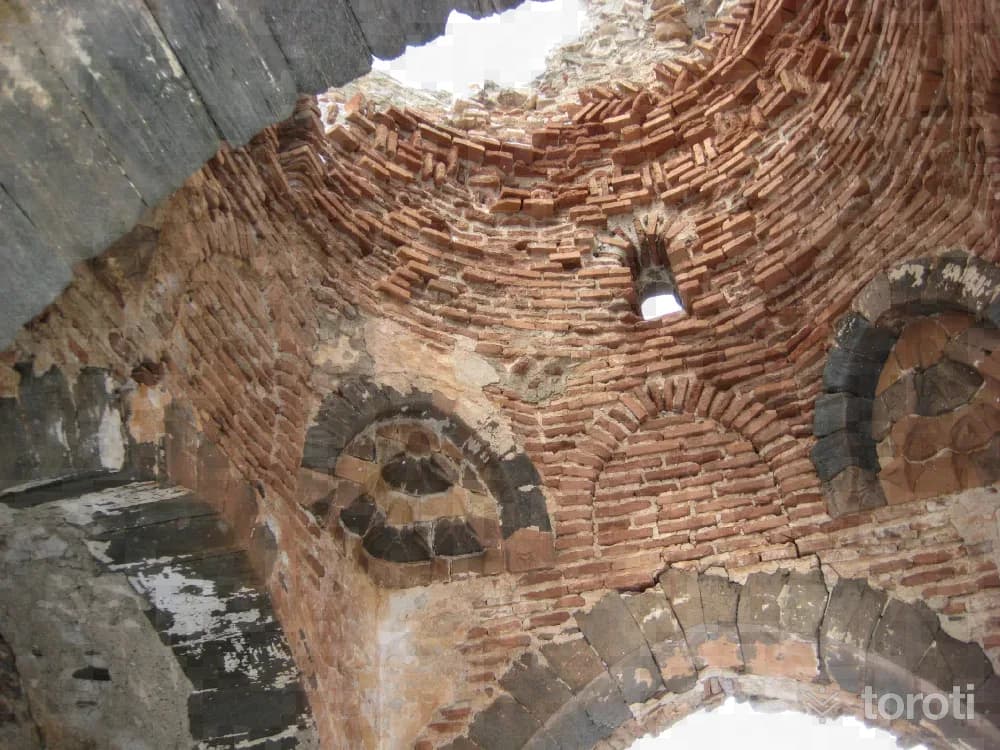
Muş Arak Church is situated on the summit used as a plateau in the eastern direction of the Karaçavuş Mountains. Arak (Kepenek) Village, which gives the church its name, is on the slopes of the summit. Arak means wine in Persian. It is known that the village formerly had a grape storehouse and was a place where grape must was produced. The church is built on a wide plain on the mountain. There is a large Bell Tower 200 – 250 meters ahead of it.
45 minutes
Hacı Şeref Camisi
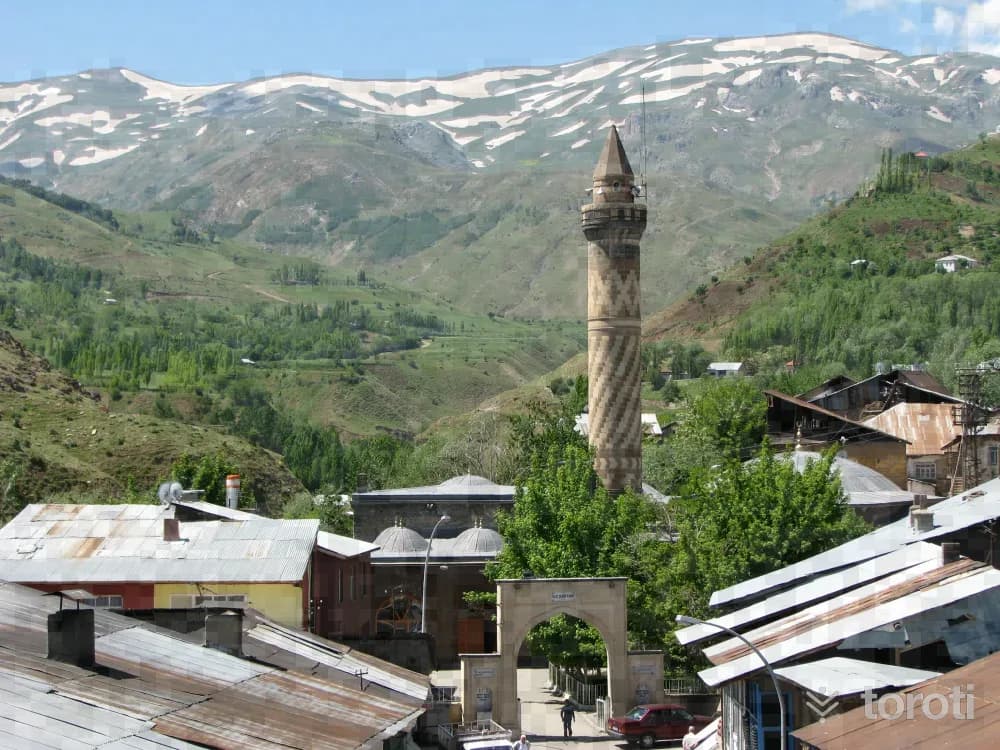
It is inside Aslanlı Han, a Seljuk structure, in a very ruined condition. Based on its architectural features, it is dated to the XVII century. Its main space has a square plan. The main space is covered with a large dome in the middle and low domes on the sides. Its plain mihrab has a round arch and is in the form of a niche. The later-added narthex is made of wood. Its pointed-arched, niche-shaped monumental portal is of cut stone. It is understood to have been built in 1902. This structure was commissioned by Abdülhamit Han Efendi.
45 minutes
Alaeddin Bey Camisi / Paşa Cami
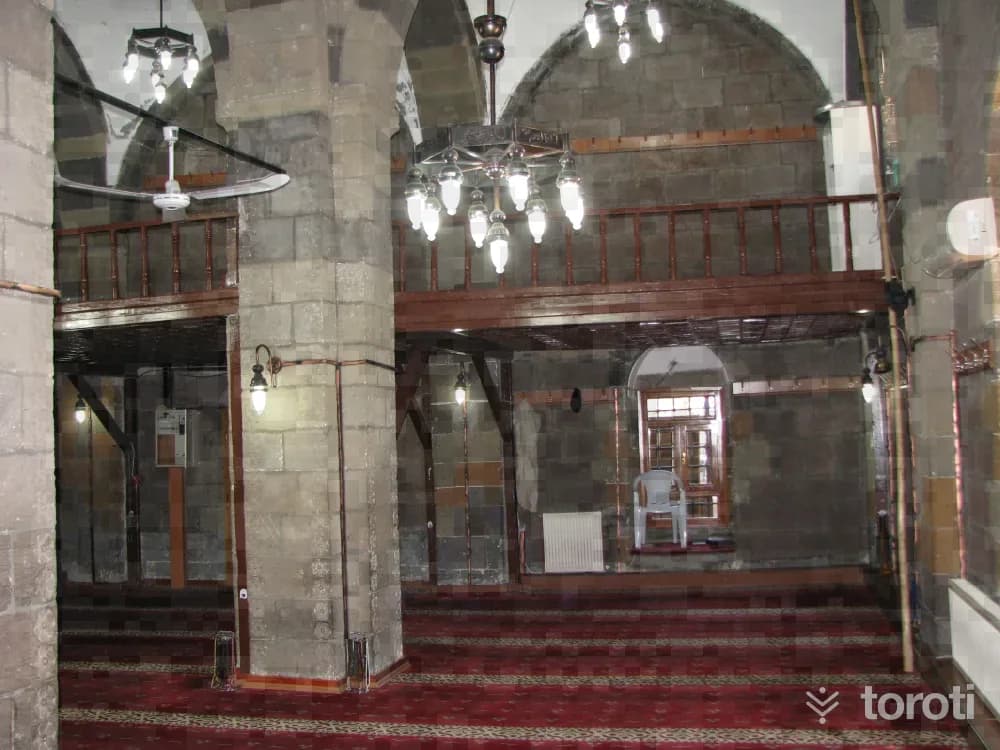
It was commissioned by the city’s governor Alaeddin Bey in the early XVIII century. Its main space has a square plan and nine naves. It is covered with a large central dome and small domes on the sides. The mihrab in the central nave is decorated with small columns and plant motifs. There are relief lamp motifs on the sides of the monumental portal. Its minaret is built of two-colored cut stone. It has a cylindrical body on a square base.
45 minutes
Haspet Kalesi
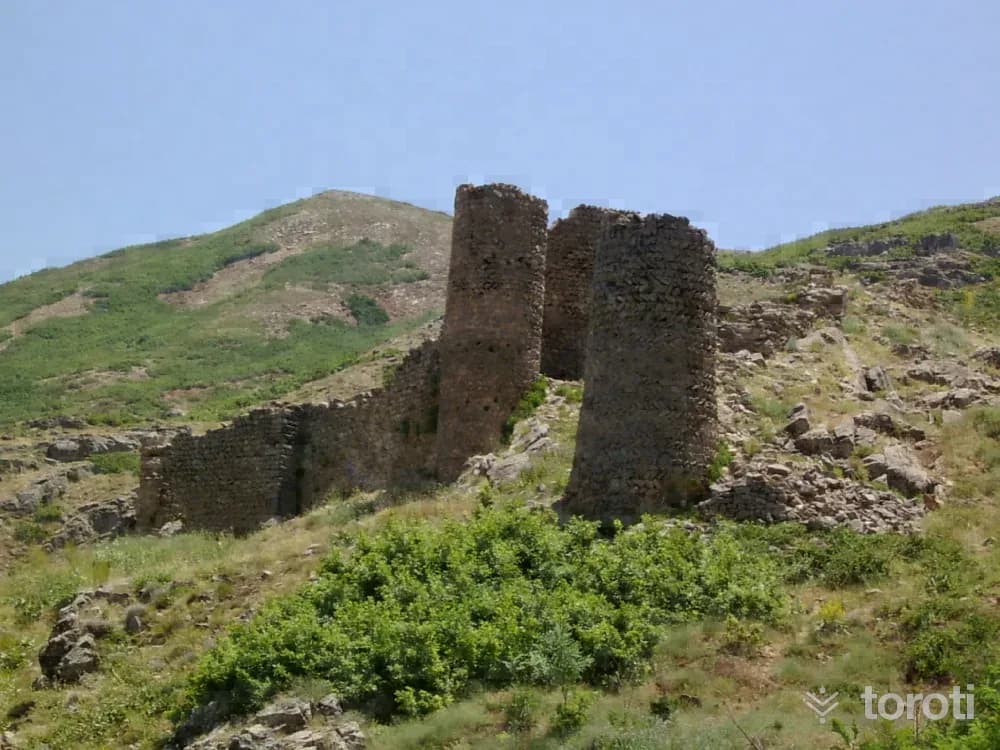
Haspet Castle is on a slope of the eastern extension of Kızıl ziyaret mountain to the south of Muş. It is not known by whom it was built. Although its bastions were standing upright until 10 years ago, it has from time to time been damaged by treasure hunters.
45 minutes
Yıldızli Han
It is in Yukarı Çarşı in Muş city center. It was built in 1307 by Miralay Seyfi Bey. It was built as a two-storey structure. Its lower floor was built of cut stone, and its upper floor was built of adobe in accordance with the Seljuk architectural structure. On the first floor of the inn, which was built on 613 square meters, cloakrooms, jewelers, drapers, coppersmiths and silversmiths used to work. The second floor was used as a hotel.
45 minutes
Muştak Baba Türbesi
Although his exact date of birth is not known, Bitlis Province is mentioned as his place of birth. He first received madrasa education from his uncle Hacı Mahmut Efendi. Muştak Baba traveled to many provinces and acquired knowledge. He compiled this knowledge in a manuscript called “ASAR”. While traveling from Bitlis to Istanbul in 1818, he was strangled while staying in Muş.
20 minutes
Geleneksel Muş Evleri
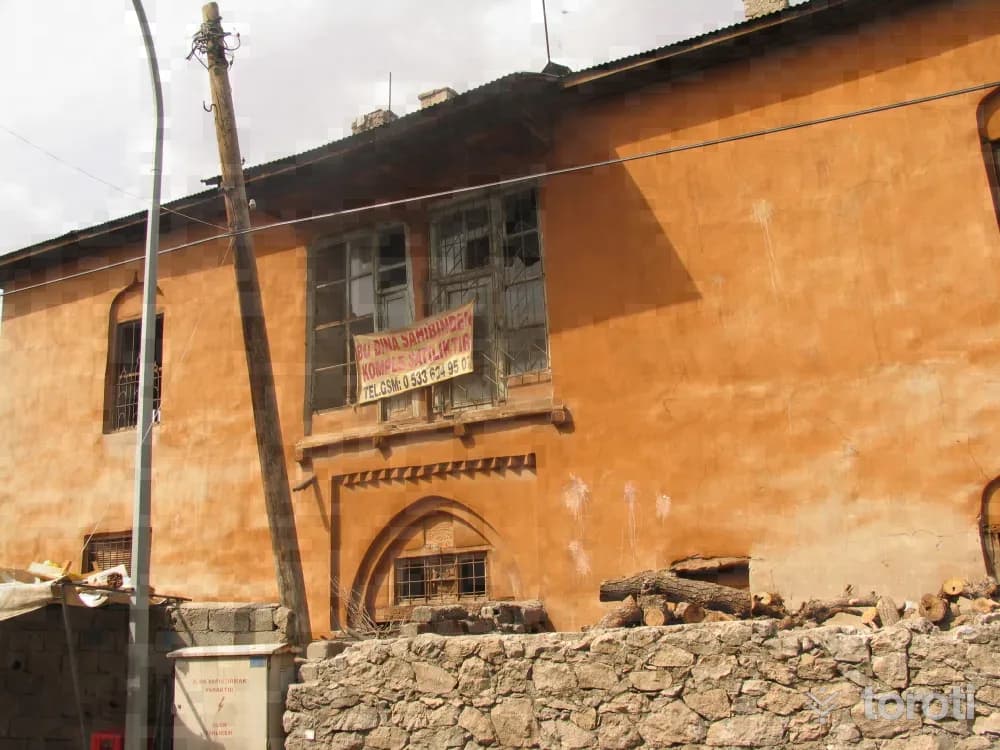
The main influence in the formation of the residential architecture of Muş, whose settlement pattern and street texture essentially reflect the atmosphere of a typical Turkish city, is, as in our other regions, the lifestyle and needs arising from the customs and traditions of our nation.
45 minutes
Ulu Camii
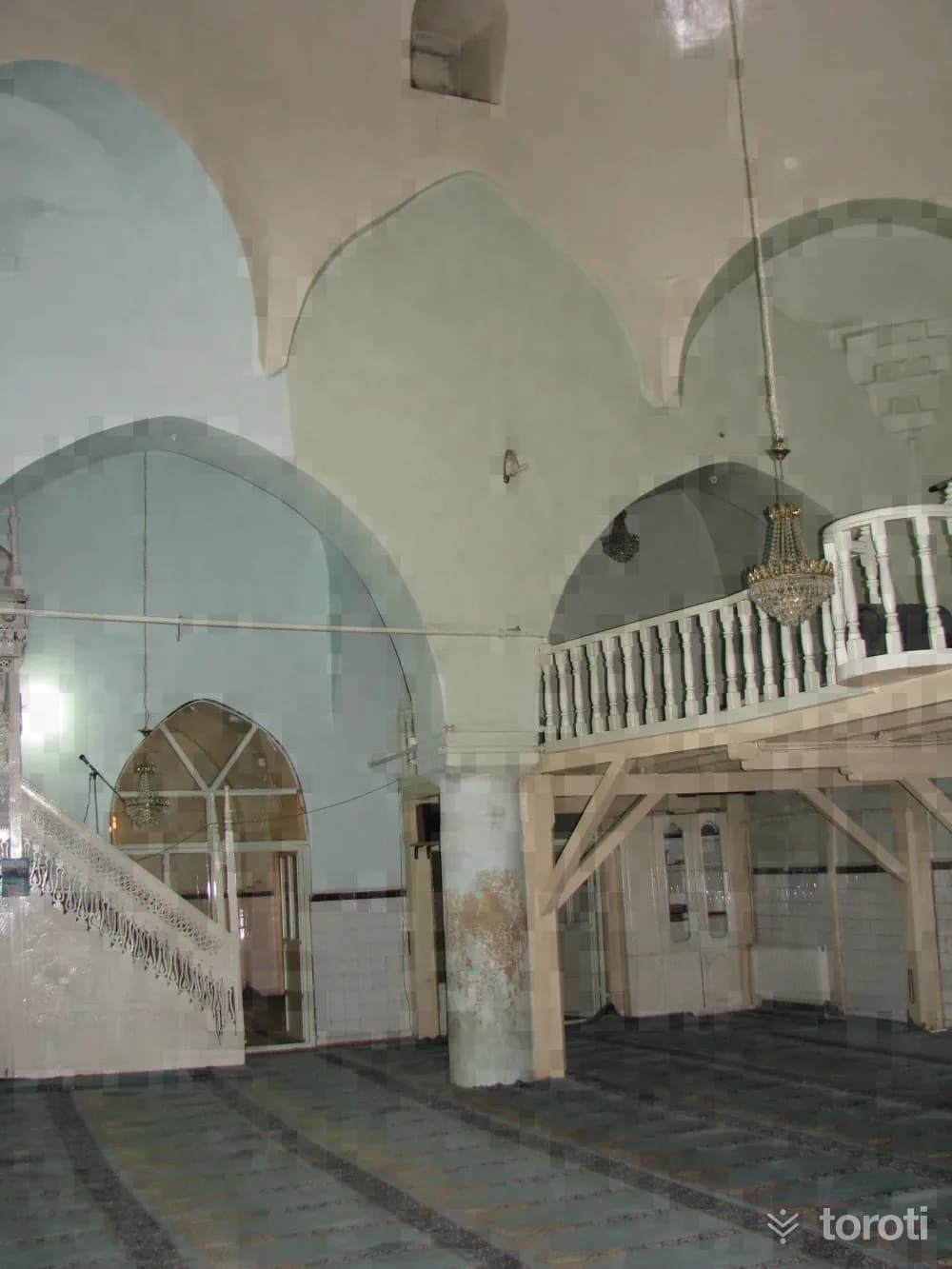
It is to the west of Alaeddin Bey and Hacı Şeref mosques in Muş. It is made of rubble stone. It has no inscription. It is said to have been commissioned in 979 by Şeyh Muhammedi Mağribi, who lies buried in its courtyard. From its architectural features, the mosque is dated to the second half of the XIV century. It has a rectangular plan. The main space is covered with a dome in the center and barrel vaults on the sides. The mihrab is plain, and to its north there is a three-domed last congregation area of cut stone. The plain monumental portal of cut stone is within a pointed-arched niche.
45 minutes
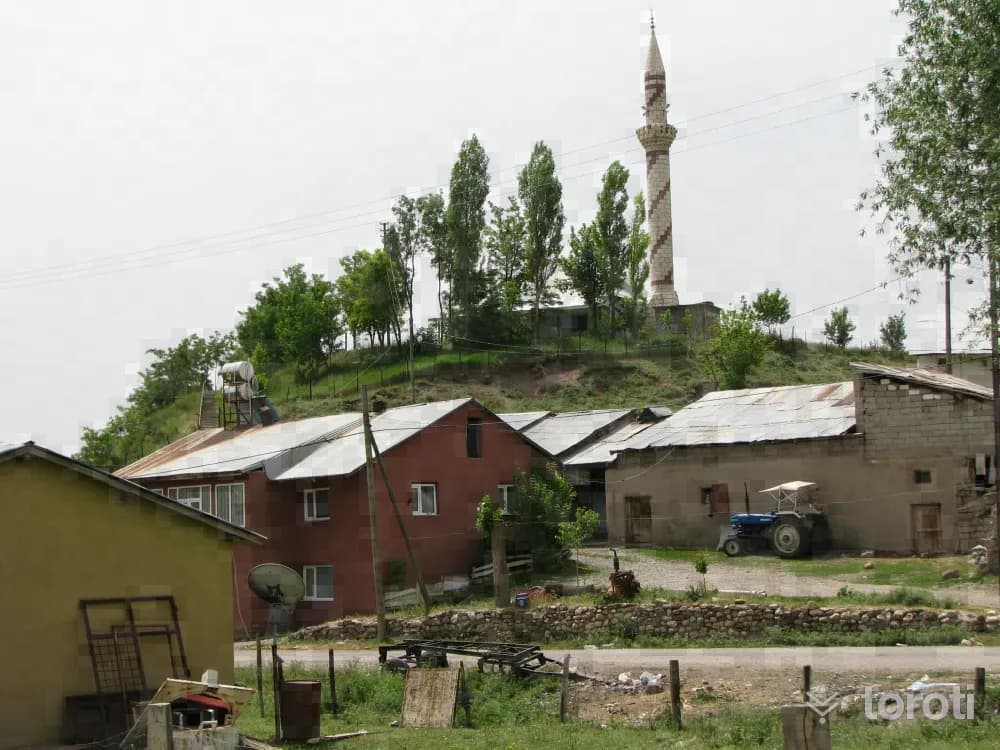
Yağcilar Höyüğü
The mound located in Yağcılar Town cannot be seen completely due to the dense settlement built on it and the structures around it. As a result of research carried out in earlier periods and the dense ceramic fragments found on and around the mound, this place has been dated to the periods before and after Urartu.
45 minutes
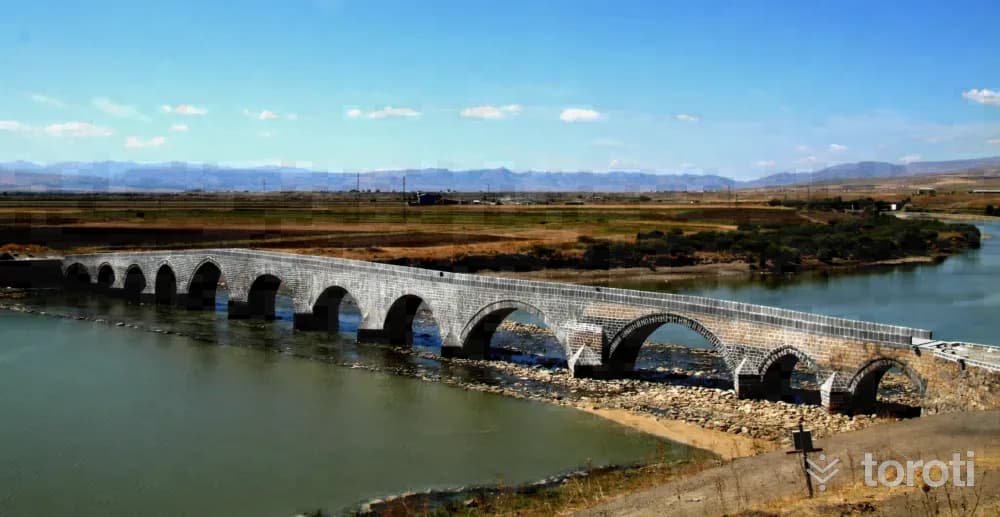
Tarihi Murat Köprüsü
The Historical Murat Bridge, a Seljuk structure, cannot be dated with certainty. It is thought that its marble inscription dated 1871 is related to repairs. It is 143 metres long, 4.77 metres wide, 16–18 metres high, and has 12 arches. It is still in use today.
45 minutes