Places to visit
Things to do in Kilis (merkez)
28 destinations, each with a description, how long it takes and where it sits on the map.
In short
toroti’s catalogue holds 28 described destinations within Kilis (merkez), Kilis. The themes that come up most: Faith heritage, History, Local culture, Museum, Culture, Architecture.
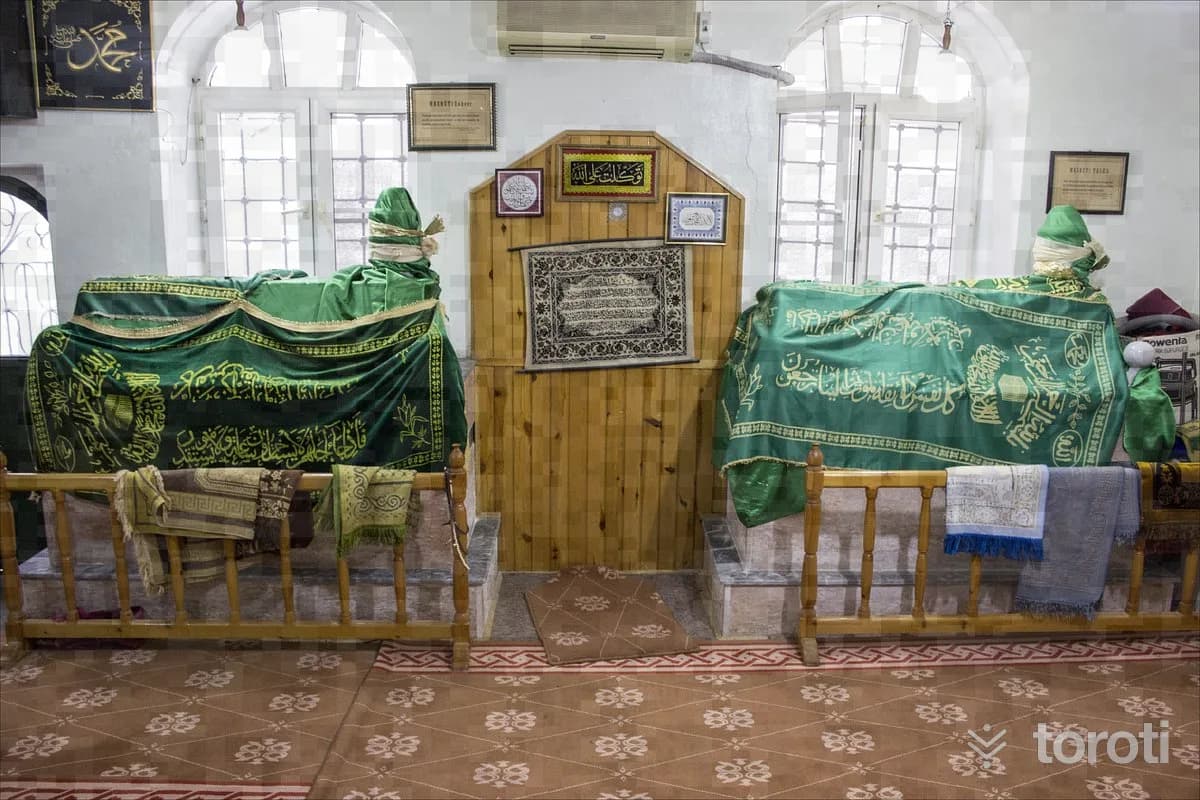
Talha Ve Zübeyr Türbesi
The tomb is a roof-covered building with no architectural value. It has been repaired in recent times. Inside, there are 2 sarcophagi renewed with concrete. The people call it (Hz. Zübeyr and Hz. Talha Tombs). Although Evliya Çelebi wrote about all the places of visitation and tombs in Kilis, he did not write about this tomb.
20 minutes
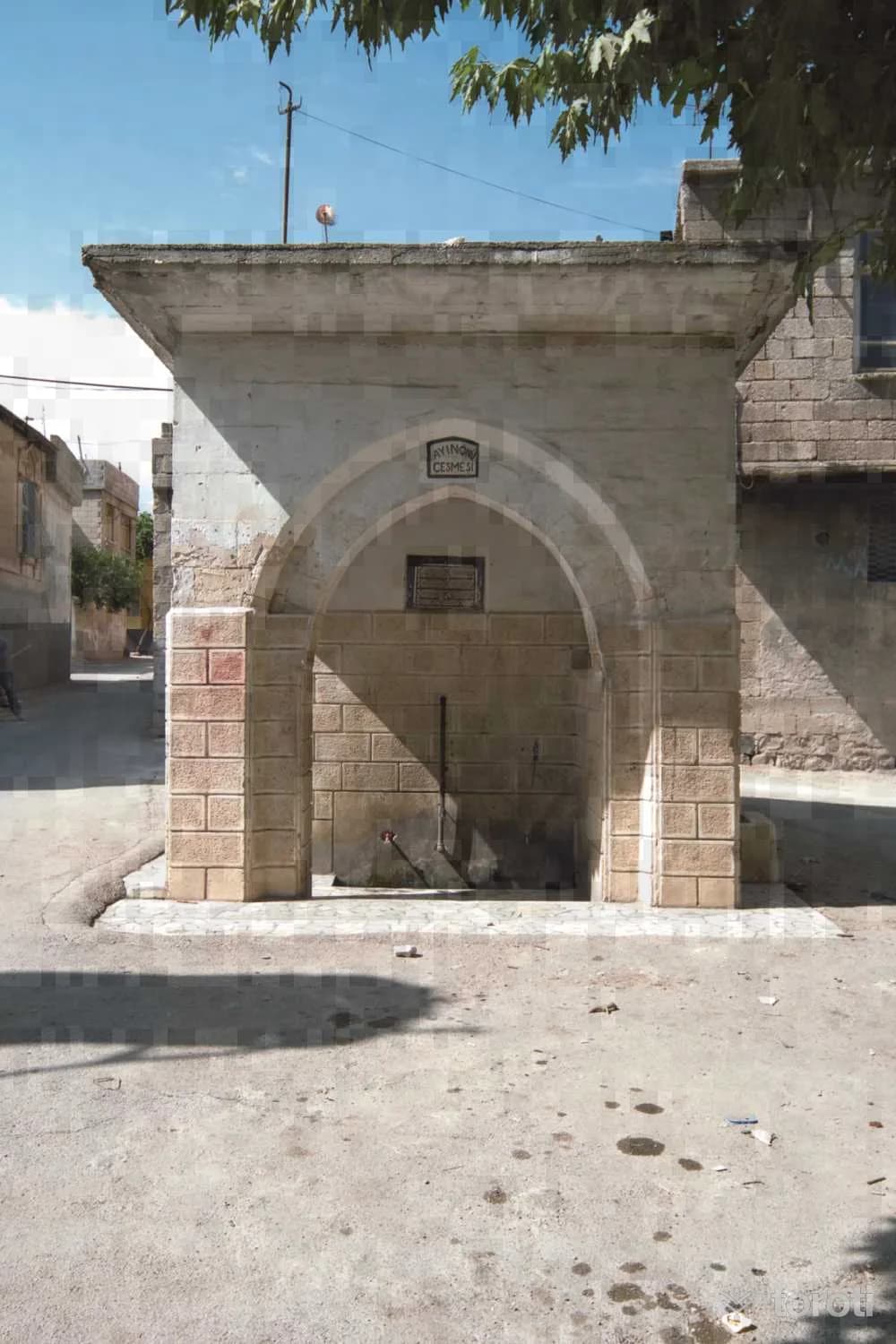
Ayn Önü Kasteli
The kastel, a two-arched stone structure, has a stone spout as well. In front of it, there is a trough made of black stone. On the stone above it, there is a thuluth inscription. Since a philanthropist named Hacı Ahmet Bey died after having the kastel’s waterway opened, his friends had the kastel built in 1807.
20 minutes
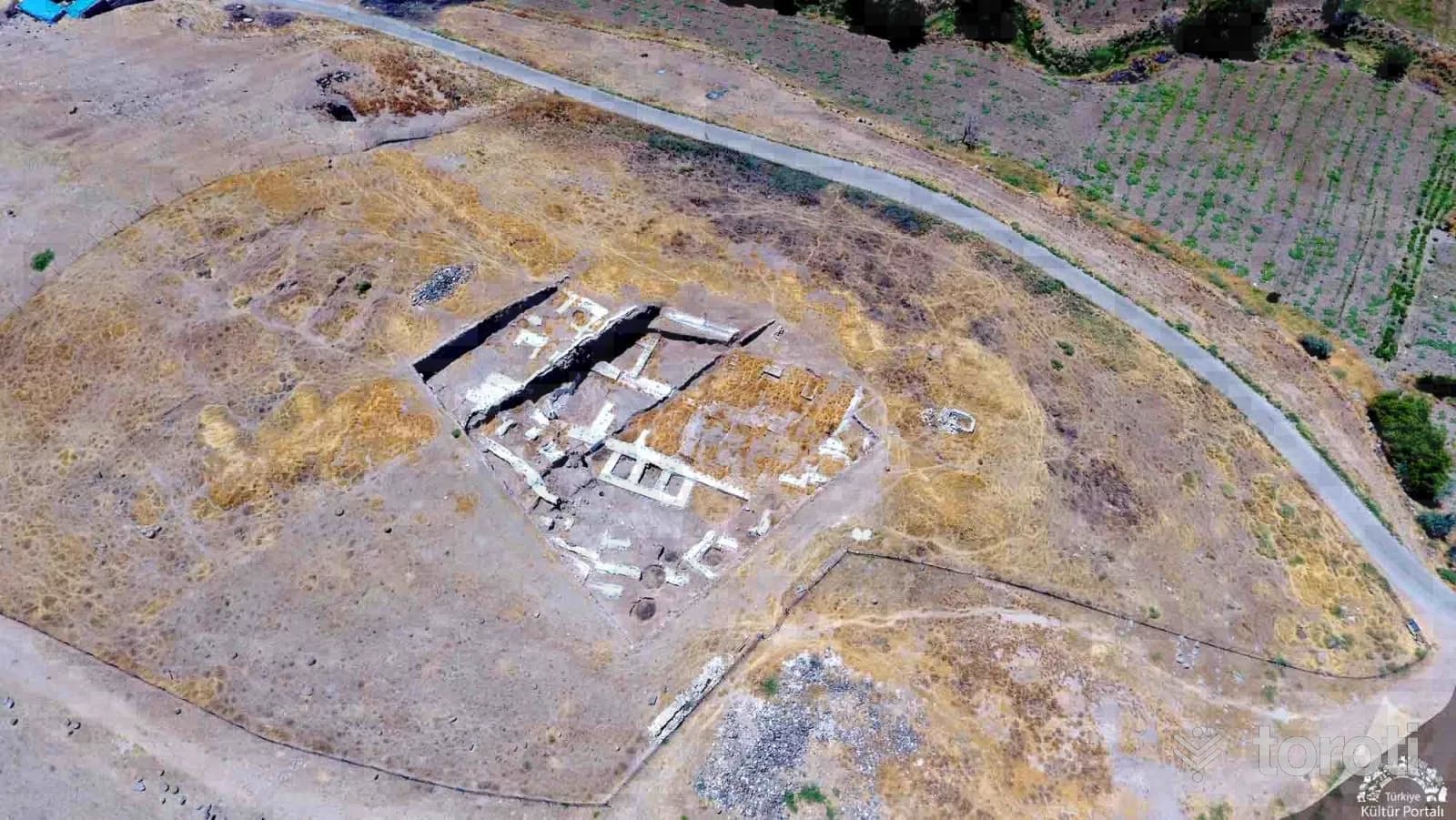
Oylum Höyük
In terms of its size, it is one of the largest mounds in the Southeastern Anatolia region. In terms of its base dimensions; it measures 460x320 m.
20 minutes
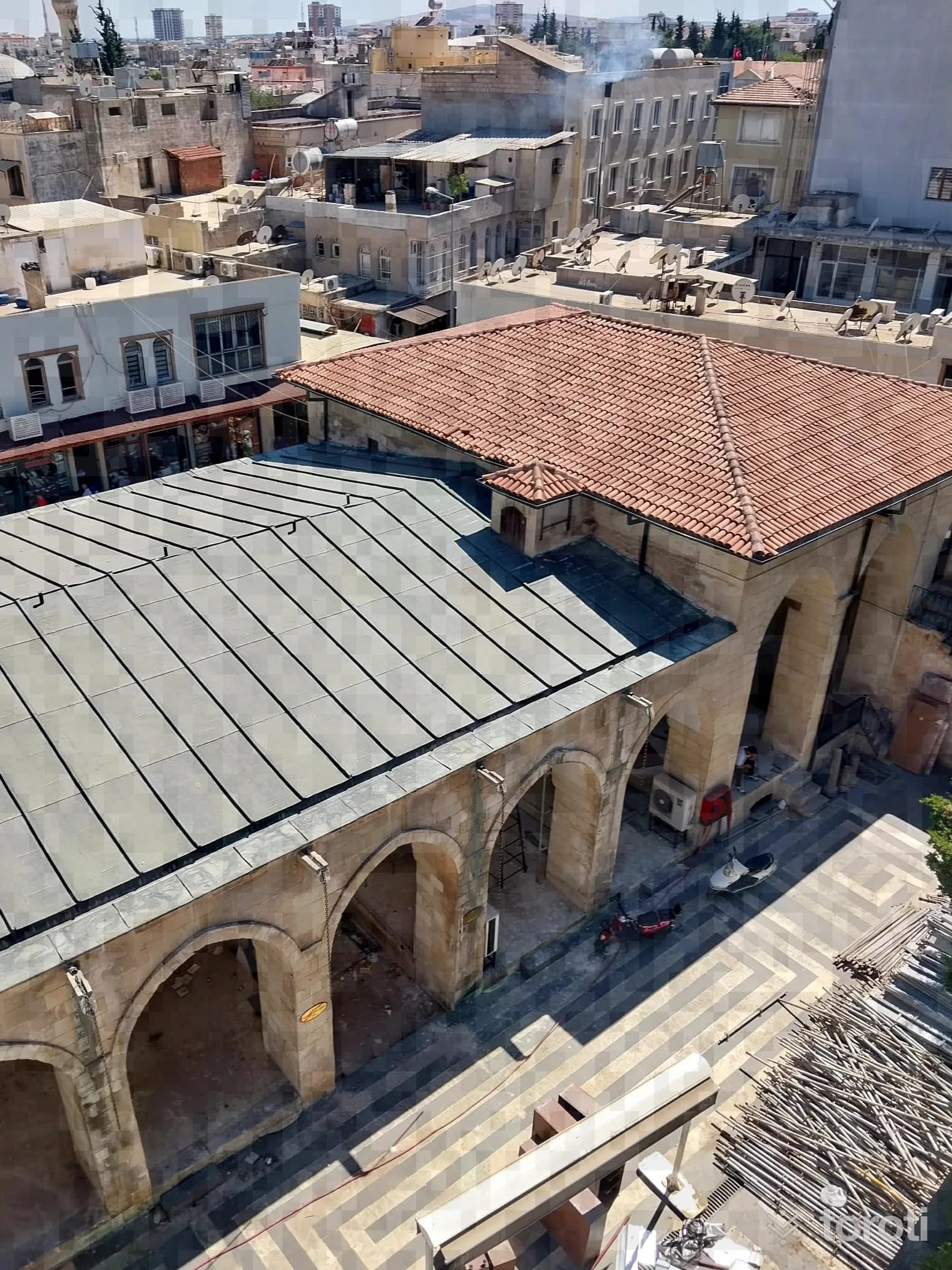
Kadı Cami (Kara Kadı Cami)
According to the records in the Hurufat Registers, the mosque was commissioned by a person named “Karakadı”.
20 minutes
Tuğlu Hamamı
It was commissioned in 1785 by Daldabanzade Mehmet Paşa, the governor-general of Kilis. A bath in the center of Kilis.
20 minutes
Oylum Bazilikası
This ruin is a basilica belonging to the Early Christianity Period dating to the 6th Century. Although two inscriptions, a large number of coins from the Roman and Medieval periods, and remains belonging to column bases were found as a result of the excavation, the capitals of these columns could not be found.
30 minutes
Canbolad Türbesi
It was built in accordance with the tomb architecture of the Sinan Period of the Ottomans. Inside, there are four wooden sarcophagi. It is understood from their headgear that they are all men. None of them has an inscription showing the identities and years of death of those buried there.
20 minutes
Şeyh Muhammed Ensari Türbesi
The Tomb of Şeyh Muhammed Ensari is a building with a round dome made of solid stone. Inside, there is a grave with a sarcophagus. There is no inscription anywhere on the tomb or the sarcophagus indicating the identity, name, year of death, or the date it was built of the person buried here.
20 minutes
Altın Dede Türbesi
There is no inscription either above the door or on the sarcophagus inside indicating the identity of the person buried here or the year of death. However, it is said among the local people that a person named Yusuf-i Hemedani is buried here and is referred to as Altın Dede.
20 minutes
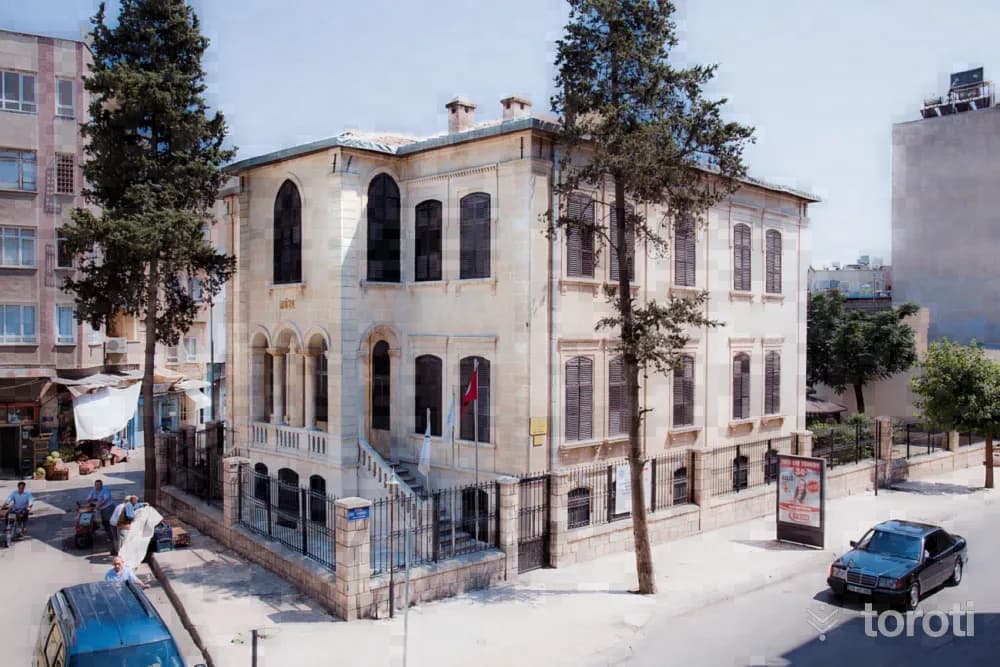
Neşet Efendi Konağı
The historic Neşet Efendi Mansion, reflecting the traditional residential architecture of Kilis, was commissioned by Neşet Efendi (TOPALOĞLU-1878-1969), one of the notable figures of Kilis, between 1925-1927. Inspired by the plan of the house of his close friend Cabirizade Nuri Bey, who lived in Aleppo, Neşet Efendi had this mansion built by the Aleppine Architect Hacı Ahmet, who was known by the nickname "Mimar'us Sultan".
45 minutes
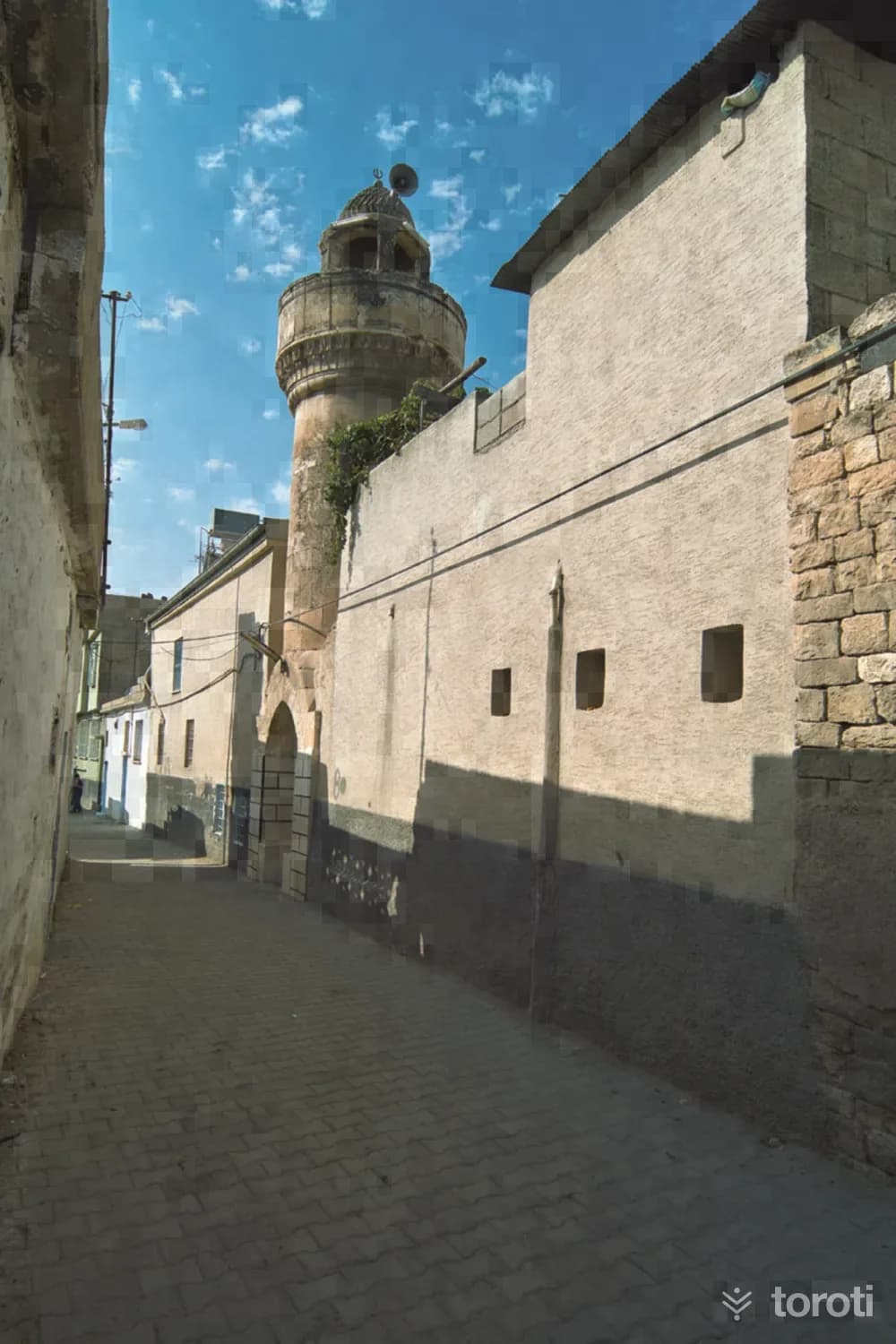
Hindioğlu Cami
According to İ. Hakkı KONYALI, it was commissioned in 1664 by Kör Hüseyin Ağa, the Voyvoda of Kilis. It has a courtyard with two entrances, one from the east and the other from the west. The entrance gate on the east side has a pointed arch. The passage providing access to the courtyard (a barrel-vaulted corridor behind the arch) is also the base of the mosque minaret. The mosque, which has madrasa cells on the east and north sides of its courtyard, has a rectangular plan together with the last congregation area.
45 minutes
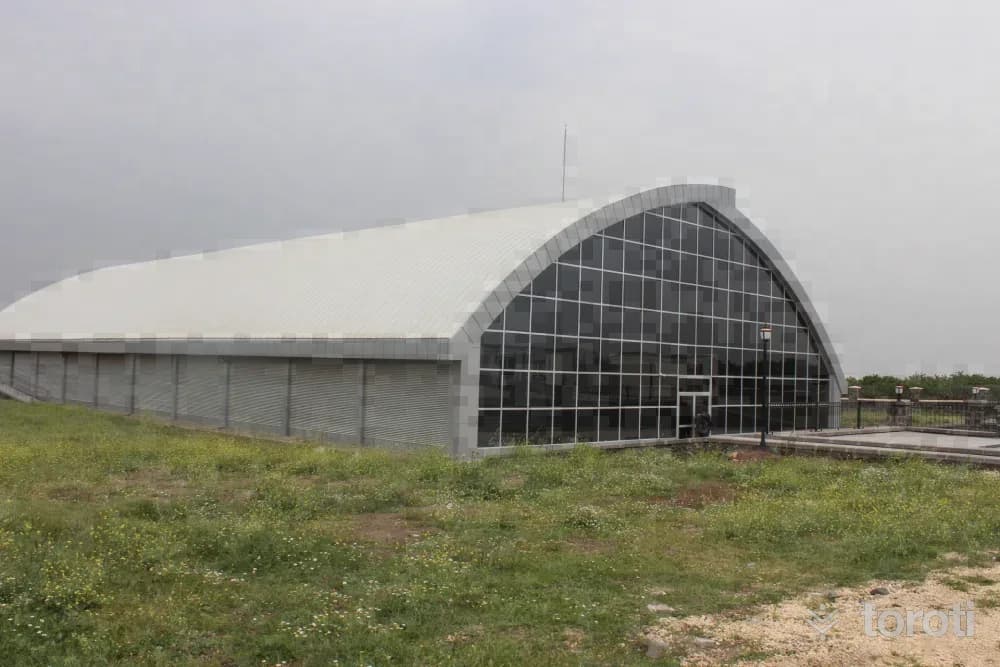
Aidesim Mozaikli Bazilikası
It is known that the Aidesim Mosaic Basilica, located approximately 200 meters southwest of Oylum Höyük, of which only a part was uncovered in 1999 and almost all of it was uncovered during the excavations in 2004 and 2006, belongs to the Early Christianity Period dating to the 6th century A.D. In this structure, which is understood to have a long rectangular plan, black basalt stone and limestone were used as construction materials.
45 minutes
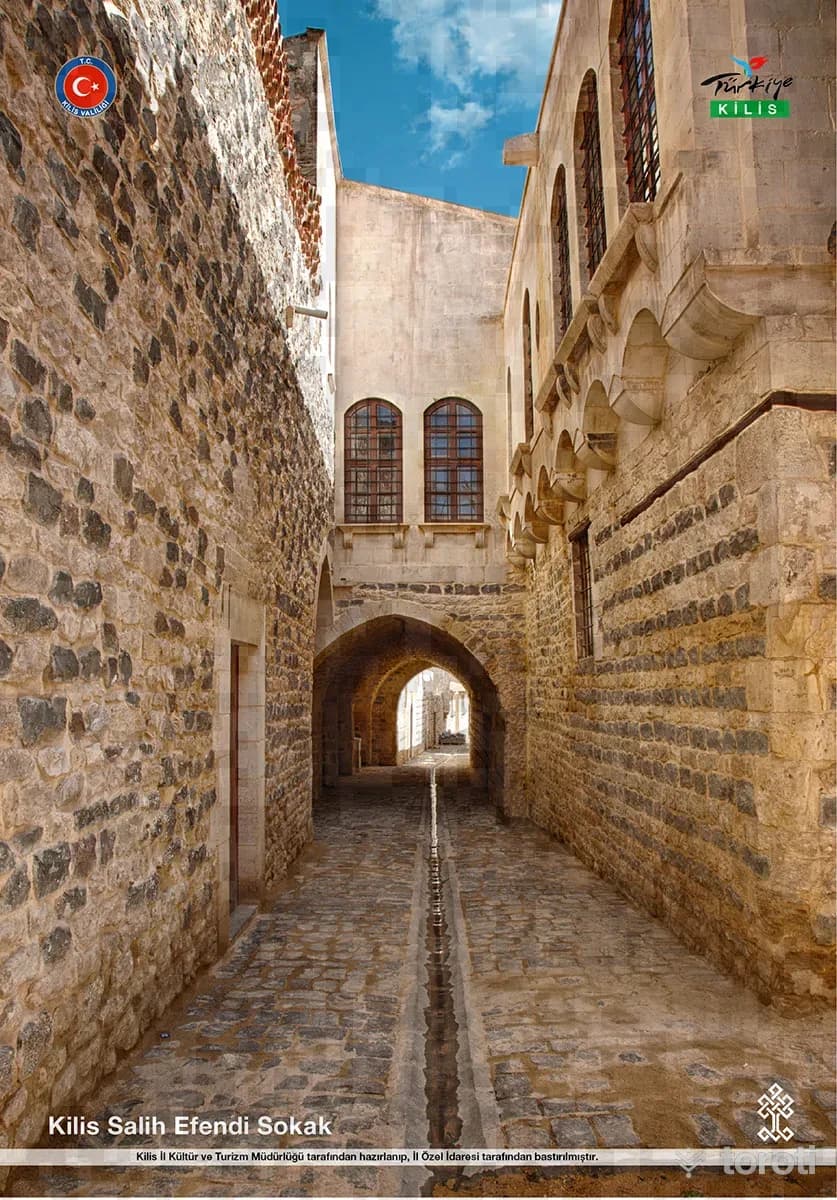
Salih Efendi Sokak
Salih Efendi Sokak, which reflects Kilis's historic street texture to us today in the most beautiful way, is an exemplary street that carries old Kilis into the present day. Salih Efendi Sokak takes its name from Müftü Salih Efendi, the father of Muhlis Efendi, who served as Mayor in Kilis in 1907. In Kilis, which bears the finest examples of Seljuk and Ottoman architecture, the interiors of the old houses are as striking as their exterior structures.
45 minutes
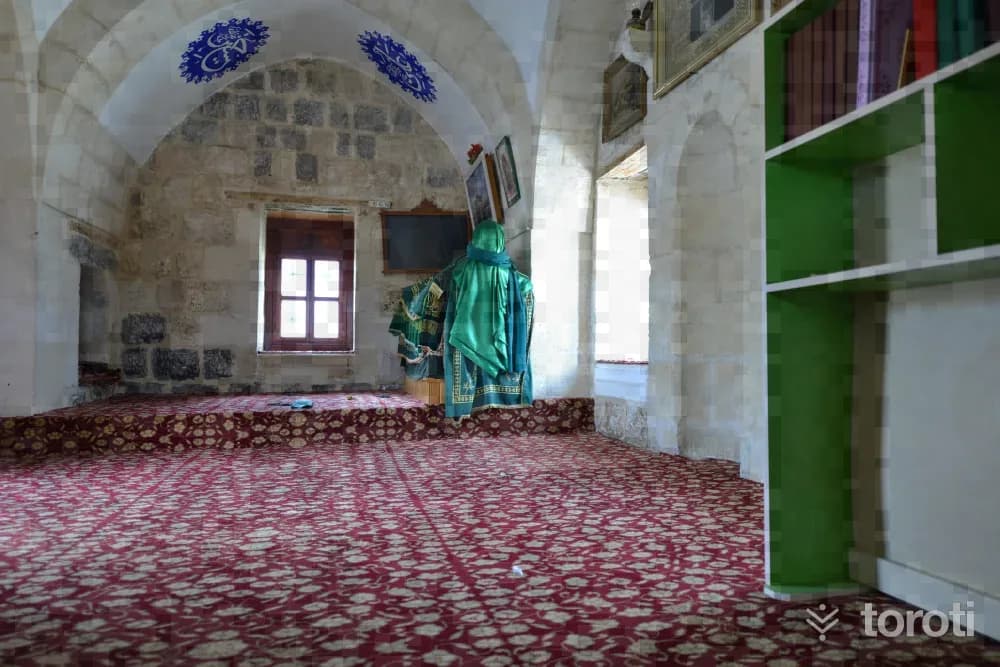
Şeyh Muhammed Bedevi Türbesi
It is thought that the tomb was built in the second half of the XIVth century. The structure to which the tomb belongs, also known by the names Şeyh Muahammed Rittali and Şeyh Muhammed Arabi, has a square plan, four arches, and is covered with a pointed dome. It has one window on the east and west sides, and two windows on the south side. Inside, there is a wooden sarcophagus covered with a green cloth. There is no inscription on the sarcophagus indicating its identity.
45 minutes
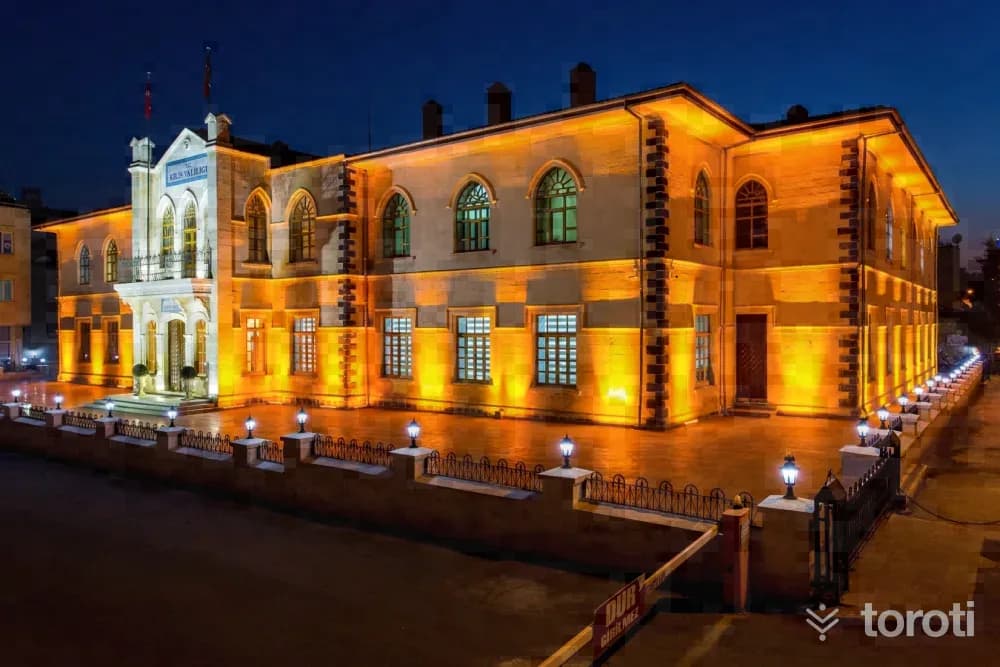
Tarihi Hükümet Konağı
Construction of the building, which is currently used as the Kilis Governorship, began in 1924 during the term of Kilis District Governor Talat Bey and was completed in 1925. It is known that the architectural project of the building was drawn by Halepli Hacı Ahmet Bey. The government building has an architectural character unique to the period in which it was built and bears traces of national architecture. The symmetrical arrangement indicated by the entrance axis of the building area and its facade reflects the period.
45 minutes
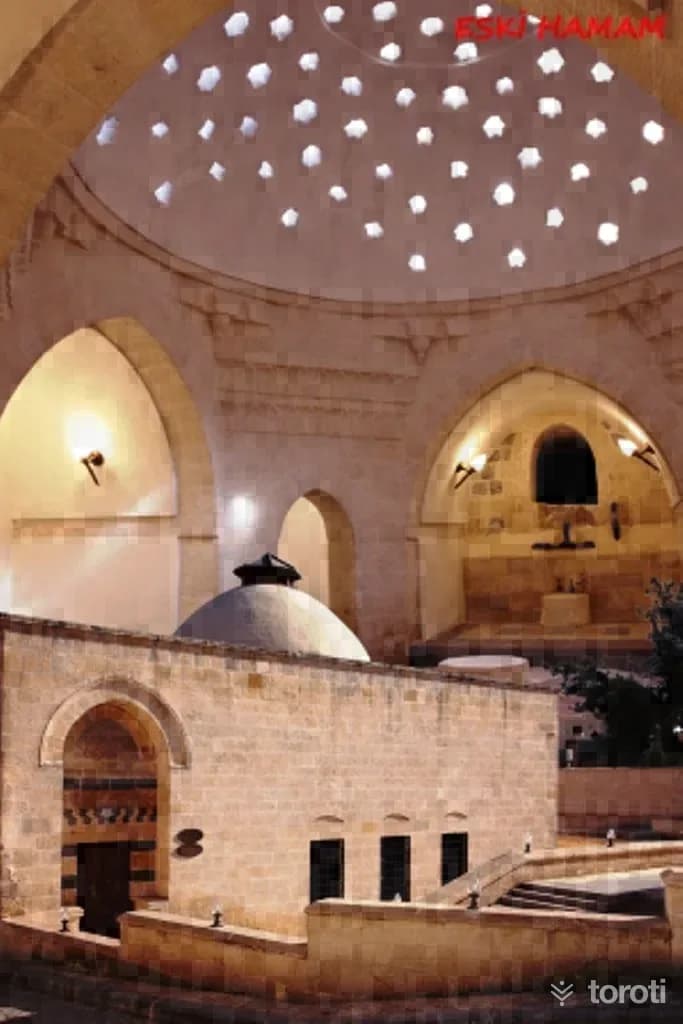
Eski Hamam
The bath, which has very high architectural value, was on a sloping site. Rainwater flowing like a flood through the narrow streets of Kilis filled and buried the bath with the stones, الرمل and soil it carried along. Since it was later uncovered and brought to light, it was called the old bath. The door of the bath is among the masterpiece architectural examples of its period. The following is written on the inscription above the bath.
45 minutes
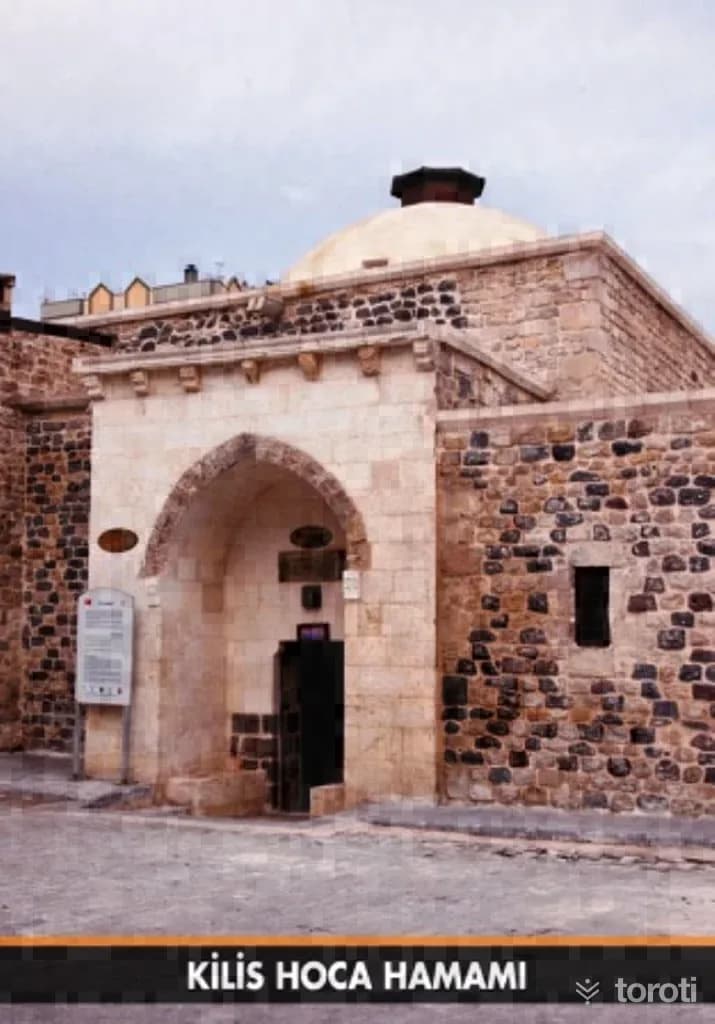
Hoca Hamamı
It was commissioned by Canbolat bey in 1545 during the reign of Kanuni Sultan Süleyman. It is a simple bath consisting of dressing area, Soğukluk – Sıcaklık sections. It has a square plan and a large dome. The central space is covered with five domes, one of them large, and the iwans are covered with barrel vaults. In the corners there are private cells covered with domes. Since Hoca Ramazan Şeyh Gökçe had it repaired again after Canbolad Paşa, its name remained Hoca Hamamı.
45 minutes
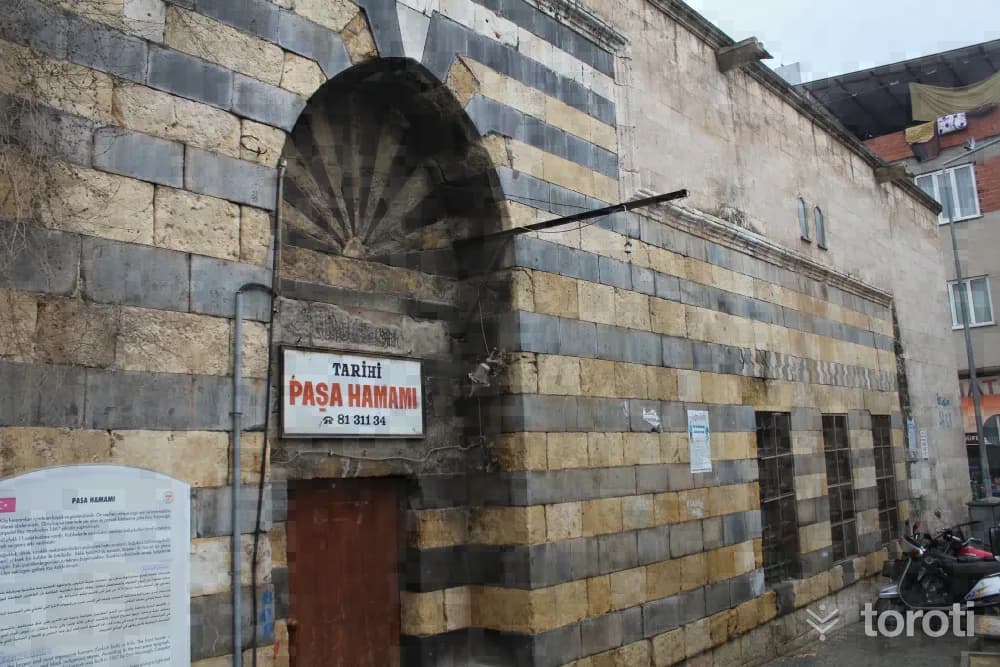
Paşa Hamamı
The facade of the bath, which is a masterpiece in architectural terms, is made entirely of yellow and black stone. To the right of the door, there are three windows opening onto the bath’s cold section. Above the windows, the yellow and black fifty stones opening to the right and left, plastered and interlocked one over another, enhance the beauty of the view. The inscription stone above the door was made in two pieces. Emir Canbolat had the bath built five years after the bath called “Eski Hamam,” in the year 975 H. 1560 M.
45 minutes
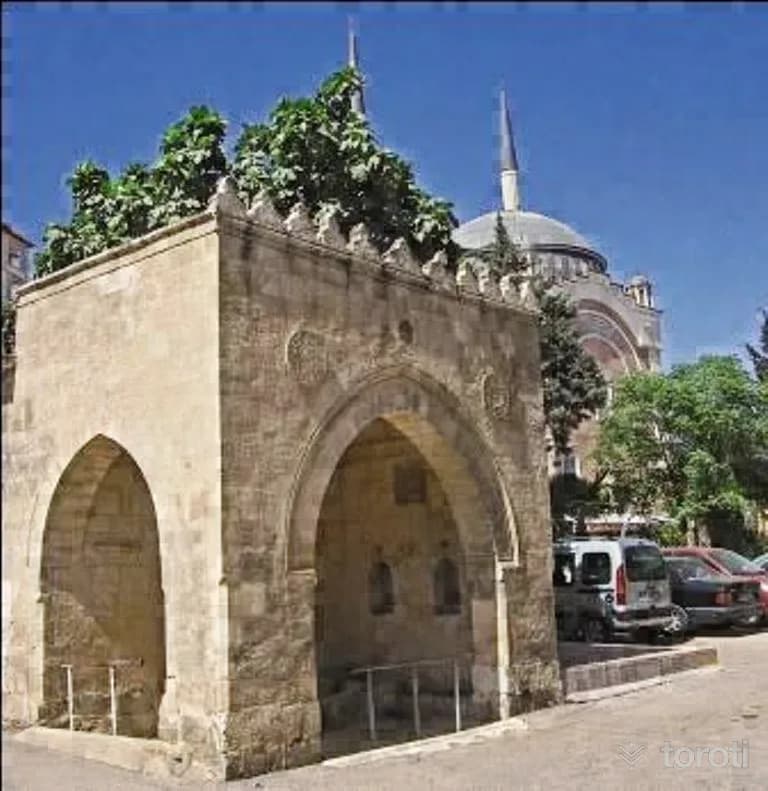
İbşir Paşa Kasteli
It is a masterpiece example of Ottoman-period kastel architecture. The inscriptions and ornaments of the kastel architecture are truly unique. The kastel is in the form of a two-arched crown gate. A tiny stone dome has been placed on top of the egg-shaped arches like the setting of a ring. An inscription in four lines has been written on the stone placed above the mirror stone, framed with a magnificent and thick ornament.
45 minutes
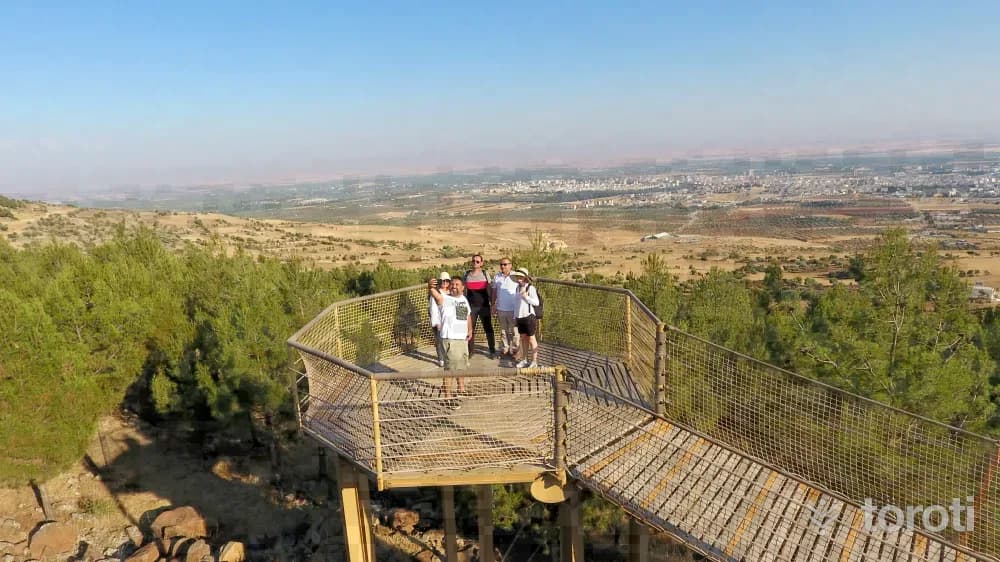
Resul Osman Mesire Alanı
Resul Osman Mountain Recreation Area offers different experiences to both the people of Kilis and the tourists coming to the city with the activity areas inside it. Resul Osman Recreation Area, where you can spend pleasant time against the view in the social facilities inside it, from where you can watch Kilis from a bird’s-eye view, is waiting for you.
45 minutes
Kilis Müzesi
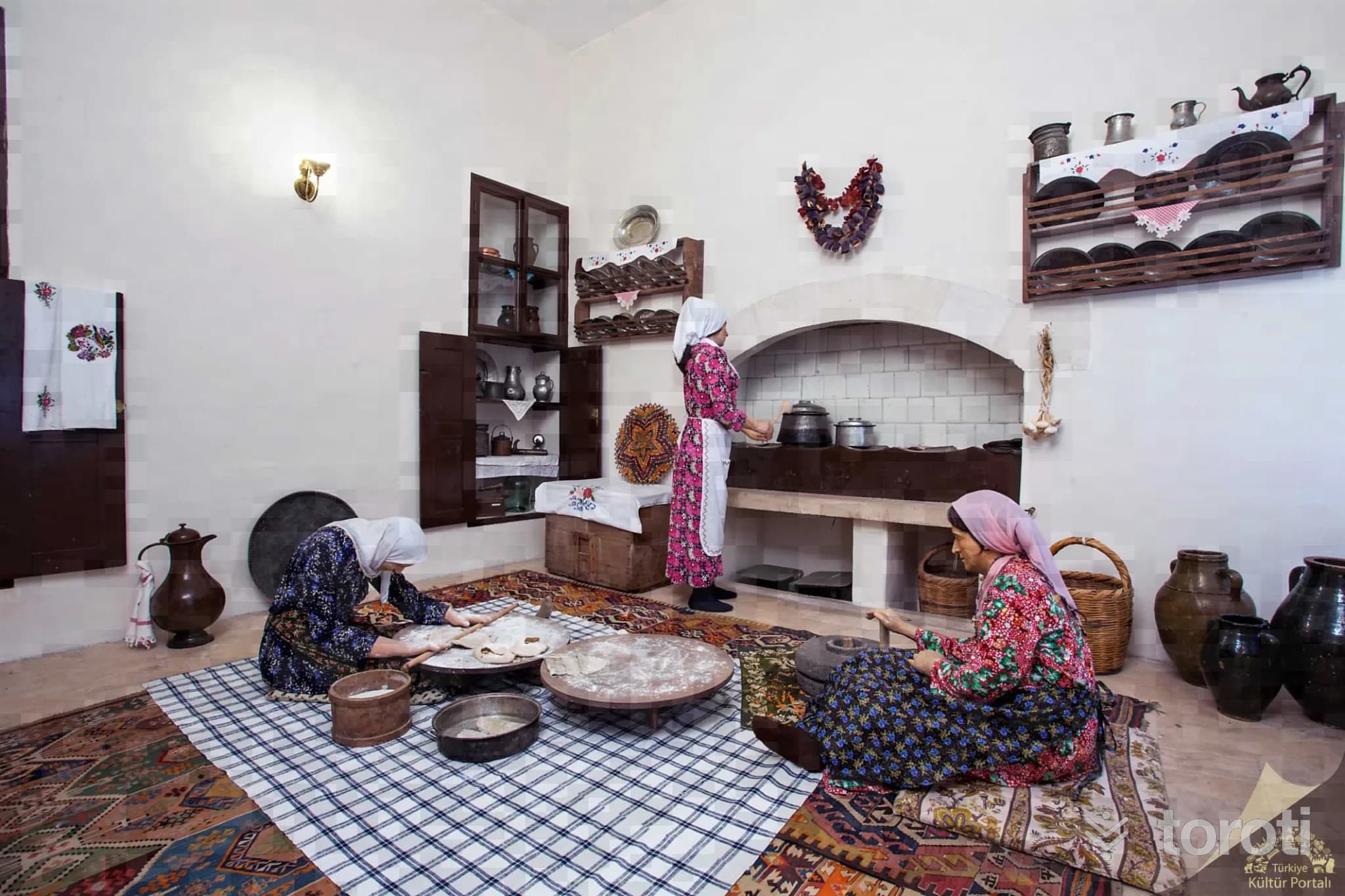
Neşet Efendi Konağı, one of the best examples of civil residential architecture in the region, was converted into Kilis Museum after restoration works. Opened in 2012, Kilis Museum was brought to life in the historic Neşet Efendi Konağı, which reflects traditional Kilis residential architecture. Reflecting the historical, social and cultural richness of Kilis and its surroundings, the museum consists of archaeology and ethnography sections.
45 minutes
Akinci Konağı
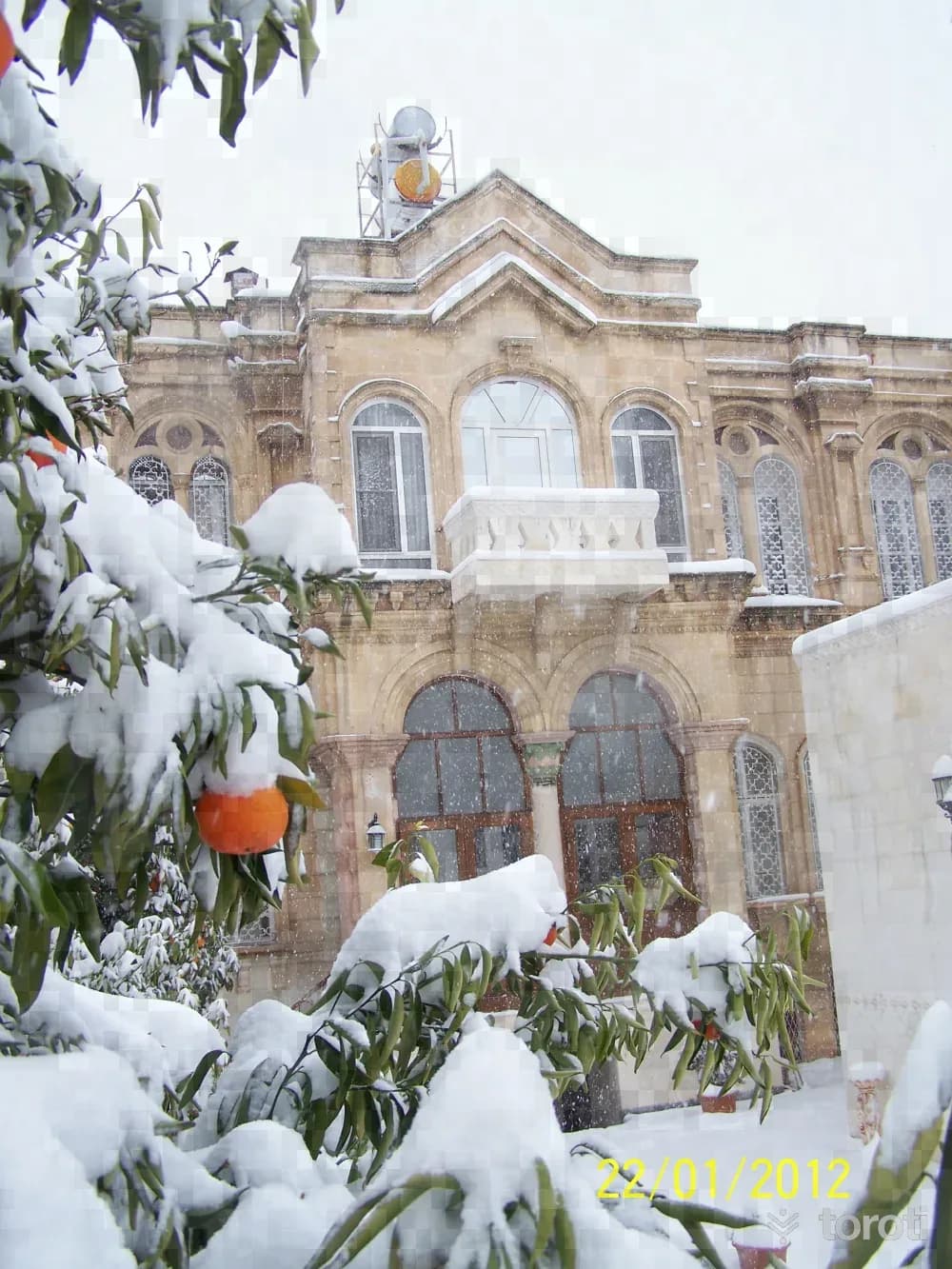
Its original name is 'Hacı Muhammed Efendi Konağı'. It was built in 1895 by Muhammed Efendi for his wife Vuslat Hanım, and the adjoining structure, which was separated later, was used as the selamlık; this main building was used as the haremlik. Since its current owners are the Akıncı family, it is known as Akıncı Konağı. The mansion has 12 rooms, 2 kitchens, 2 large halls, 2 caves and 2 water wells.
45 minutes
Pirlioğlu Cami
According to what the elderly tell, Pirlioğlu Mosque used to be located right in the middle of the old Kilis settlement (Kilis was once such a fertile and abundant place in the past that it was called ‘Little Egypt’). In its courtyard, which has entrance gates from three different directions, there is a fountain, a ringed well, ablution taps and cells. Although not a perfect square, the mosque has a plan close to a square, and its last congregation area with three arched bays is covered with barrel vaults resting on free-standing supports.
45 minutes
Şurahbil Bin Hasene (Şör Habil Hasene)Türbe ve Zaviyesi
The complex consisting of the tomb, masjid and zaviye has a rather old history. “All of the inscriptions that have survived to the present day are repair inscriptions. There is no definite information about when the zaviye was built. The name of this zaviye is mentioned in a document dated 1617 in the Ottoman archives. Evliya Çelebi also mentions this dervish lodge. This shows that the zaviye existed in the early years of the 17th century. There is no definite information about its earlier period.
20 minutes
Tekke Camisi / Tekye Camisi
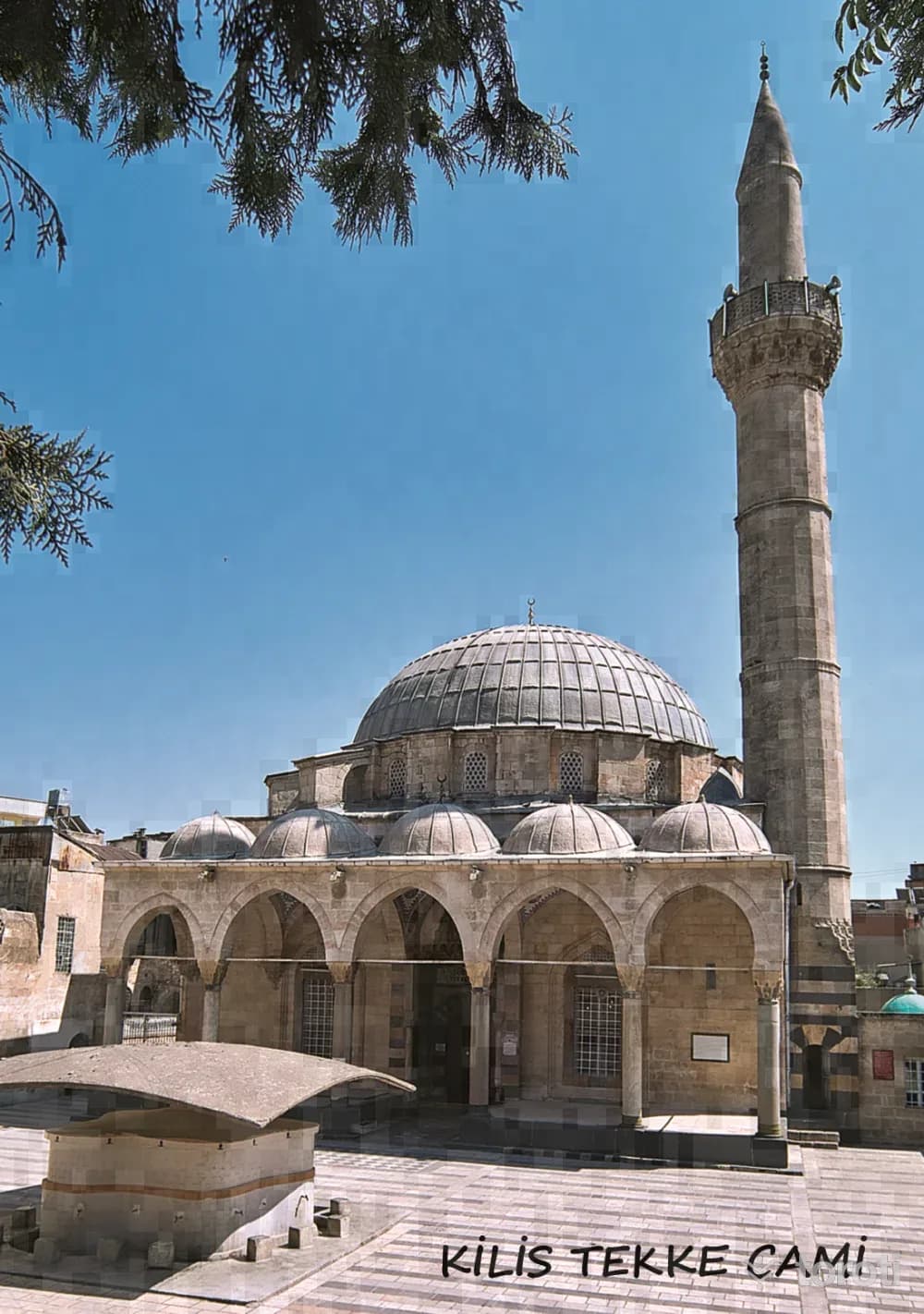
Tekke Mosque is one of the most important mosques in Kilis, reflecting a blend of Ottoman art and local techniques.
60 minutes
Mevlevihane
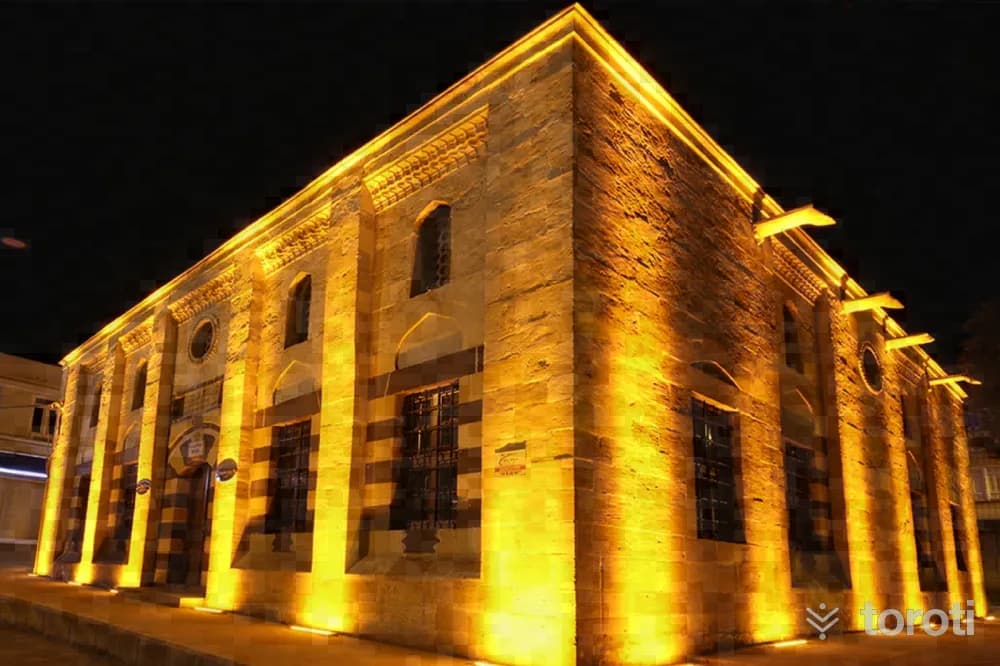
The Mevlevihane in Kilis is a historical structure built between 1535 and 1553. Currently used as a mosque, it attracts attention with its architecture and decorations.
60 minutes
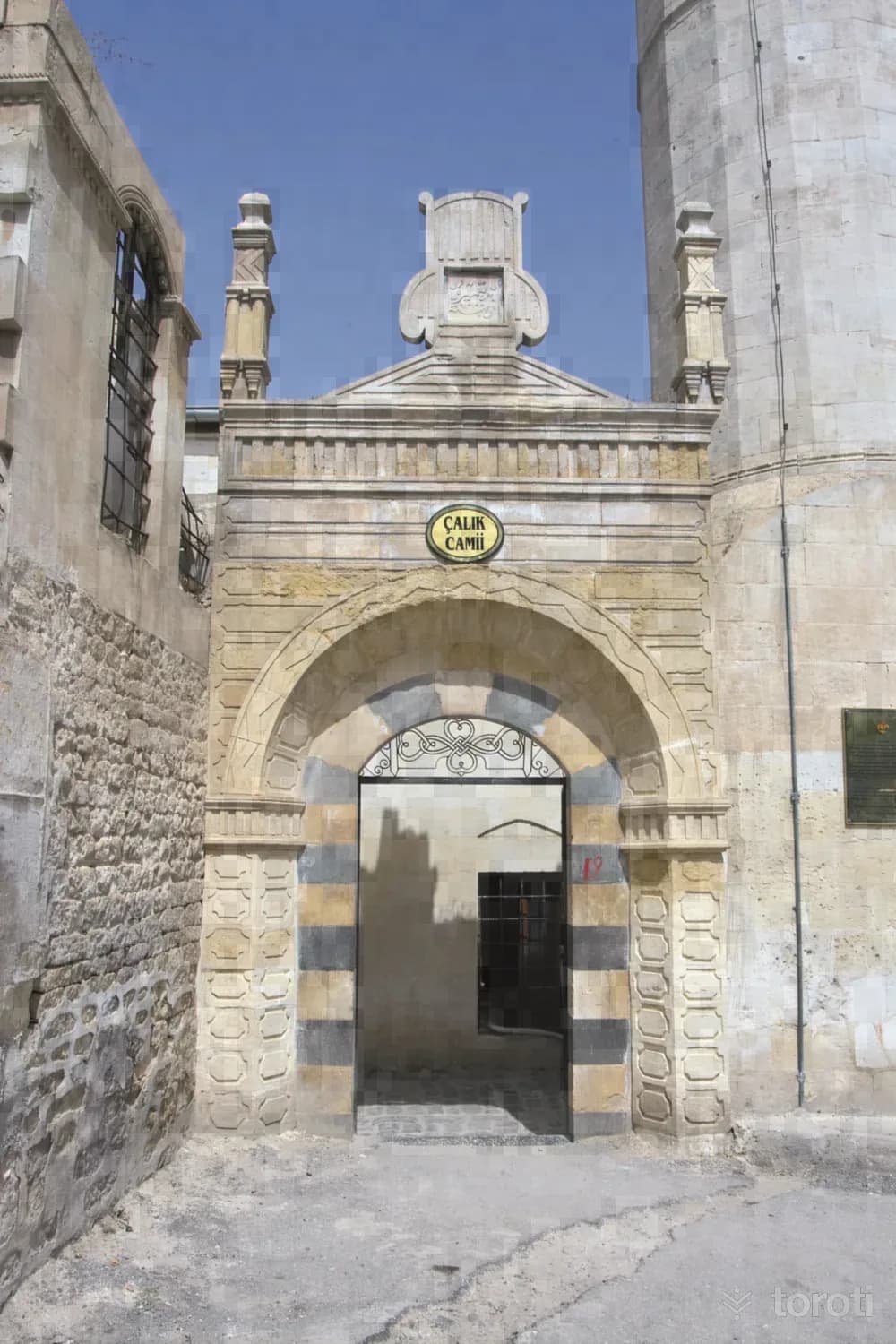
Çalik Cami
Çalık Mosque is a historical mosque built by Hacı Ali Bin Mehmet Ağa, notable for its architectural features and decorations.
60 minutes
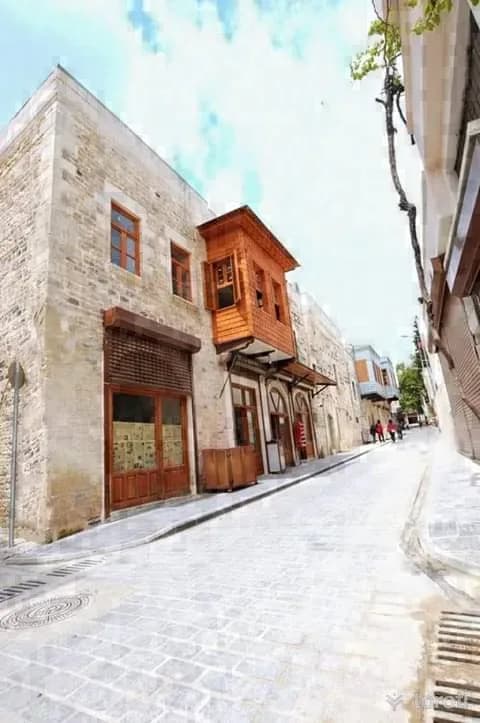
Tarihi Akcurun Caddesi
In the Kilis local dialect, the word “curun” means “trough, pool.” The Akcurun area, one of the most important tourism centers of Kilis, where a historic avenue, street, mosque and the Kilis Museum come to life, is waiting for you.
45 minutes