Places to visit
Things to do in Seyitgazi
14 destinations, each with a description, how long it takes and where it sits on the map.
In short
toroti’s catalogue holds 14 described destinations within Seyitgazi, Eskişehir. The themes that come up most: History, Faith heritage, Nature, Local culture, Museum, Culture.
Develik Han
It is located in Derebenek Neighborhood, the center of Seyitgazi district. It was commissioned by Murat IV in 1635 while on the way to the Revan Campaign. It was built in a rectangular plan, in masonry. It has lost its original appearance due to repairs.
30 minutes
Şeyh Sücaeddin-i Veli Külliyesi Ve Türbesi
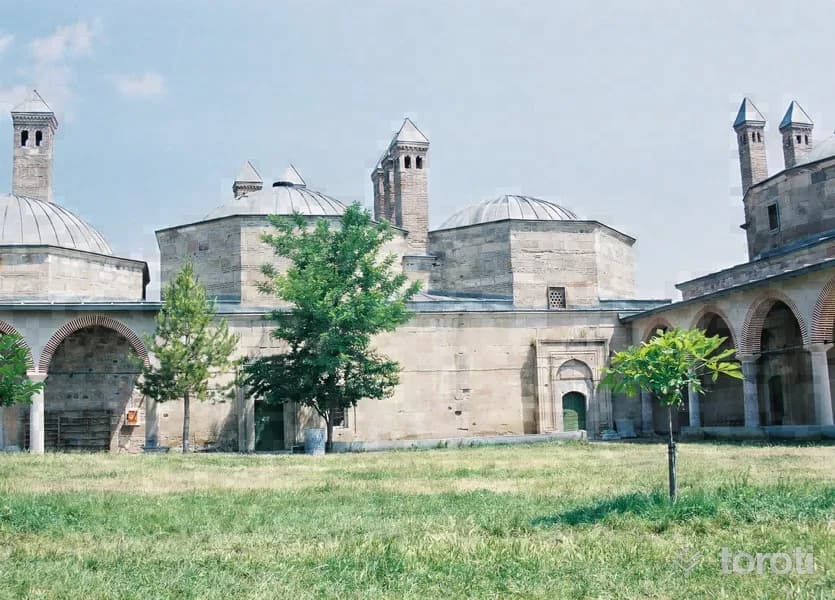
According to the Velâyetnâme-i Sultan Şucâeddîn, which provides very important information about Sultan Şucâeddin, he lived in the first half of the 15th century, witnessed the periods of Çelebi Mehmed and Murad II, and was an important alp-eren ghazi belonging to the group of Rum Abdals. According to what is told in the Şeyh Şucâ Menkıbesi, the sheikhs living in the dervish lodges around Bursa, Kütahya and Manisa had a very good and respectful relationship with him.
45 minutes
Melik Gazi Türbesi
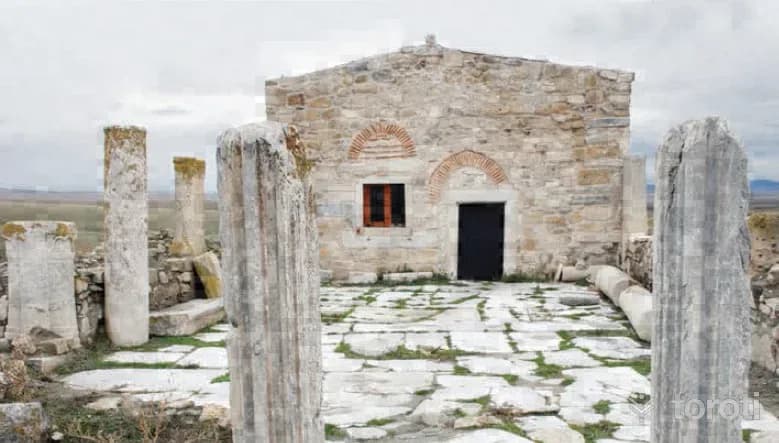
After Danişmend Gazi died in 1105, he was succeeded by his eldest son, Emir (Melîk) Gazi, who ruled for approximately thirty years. After the death of Danişmend Gazi, struggles for the throne arose among the members of the dynasty. Taking advantage of this, I. Kılıç Aslan captured Malatya. Emir (Melik) Gazi was initially subject to the Anatolian Seljuks.
45 minutes
Üryan Baba Türbesi
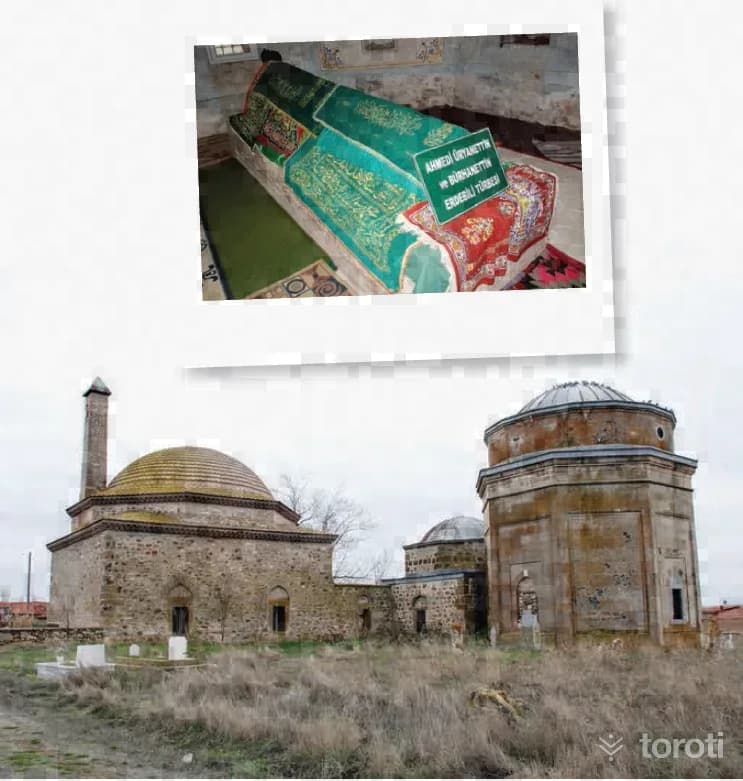
There is almost no information about Üryan Baba in the sources. However, it is known that this figure was a Kalenderi dervish. In addition, the fact that the idea of nudity, which exists in the religious foundations of both Melami, Haydari and Cavlaki, as well as Kalenderi, is evaluated in a more abstract way with such a name also suggests that this is connected with the verbal discourse gaining power and meaning on a much more real level.
45 minutes
Dağlik Frigya Kümbet Vadisi
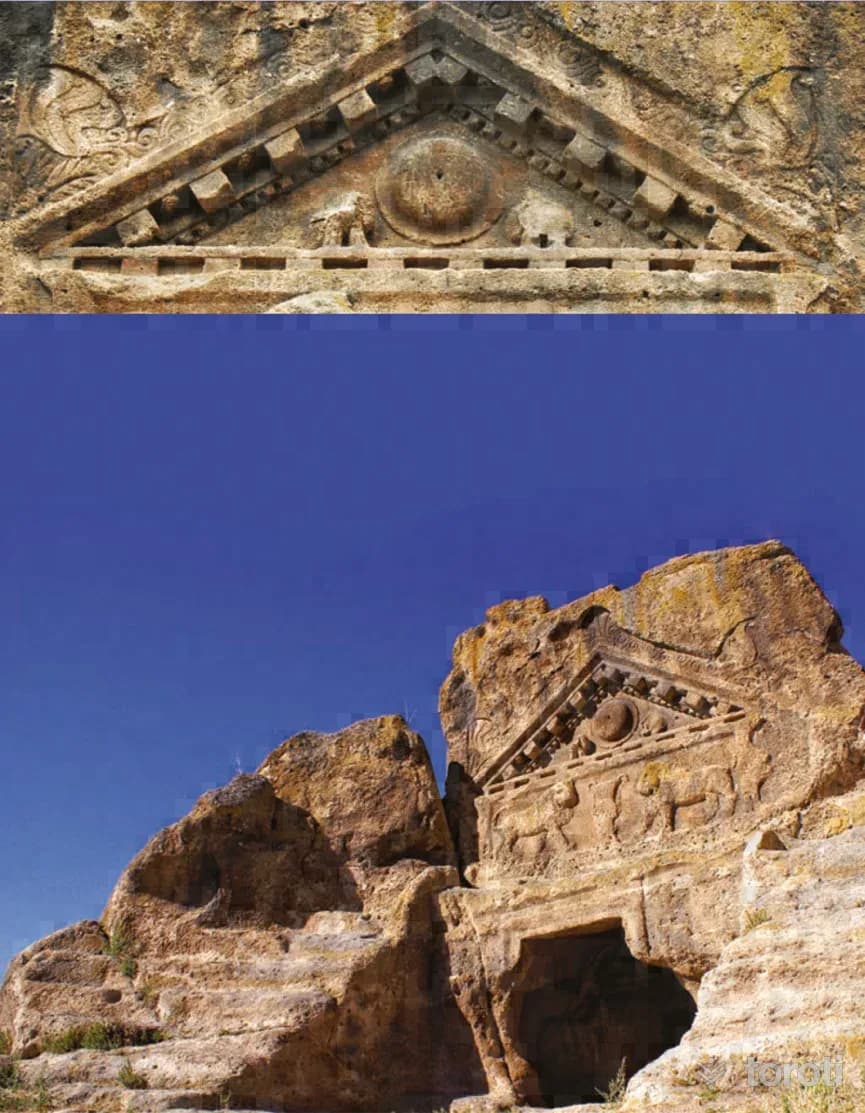
Kümbet Valley is on the ancient road leading to Yazılıkaya Platformu, the faith center of the Phrygian Civilization. Located 75 kilometers south of Eskişehir and 36 kilometers south of Seyitgazi, Kümbet Village is 2 kilometers inland from the Eskişehir-Afyonkarahisar highway. On the mound on whose slope Kümbet Village was established, there are Solon’un Mezarı (Arslanlı Mabet), which was used in the Phrygian and Roman periods, and Himmet Baba Türbesi.
45 minutes
Dağlik Frigya Yapildak Vadisi
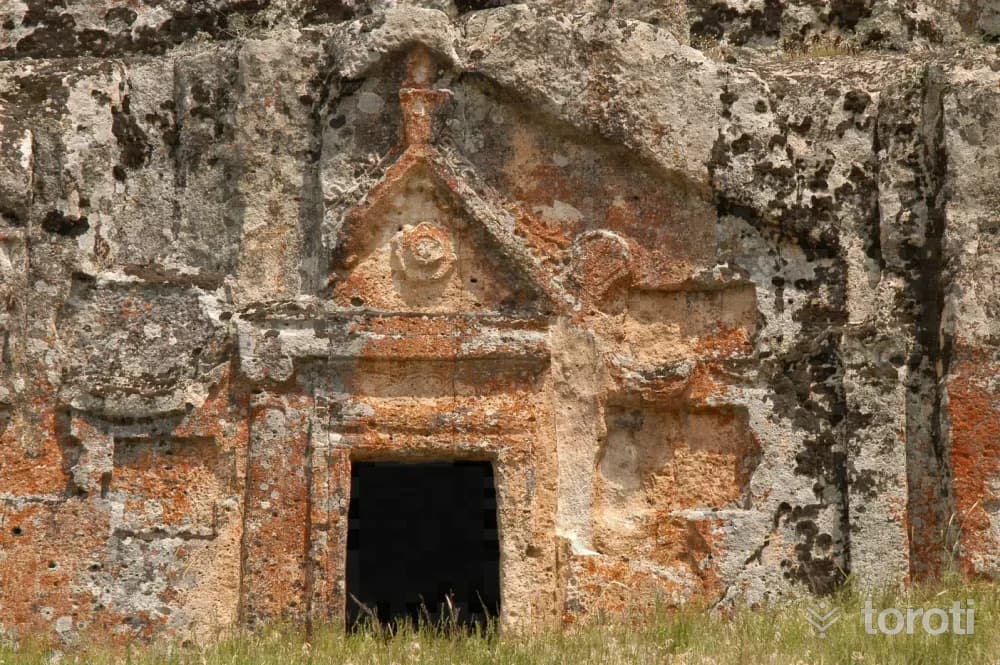
Yapıldak Valley, on the ancient route leading to Yazılıkaya Platformu, the faith center of the Phrygian Civilization, can be reached by an 83-kilometer asphalt road from Eskişehir, 47 kilometers from Çifteler, 38 kilometers from Seyitgazi, and 23 kilometers from Kırka. In the valley are Phrygian rock tombs, Dübecik Kale, and Ayterek Kale. Dübecik Kale: It is on a rock plateau surrounded by wooded hills, south of Yapıldak village.
45 minutes
Urumkuş Kayaliklari
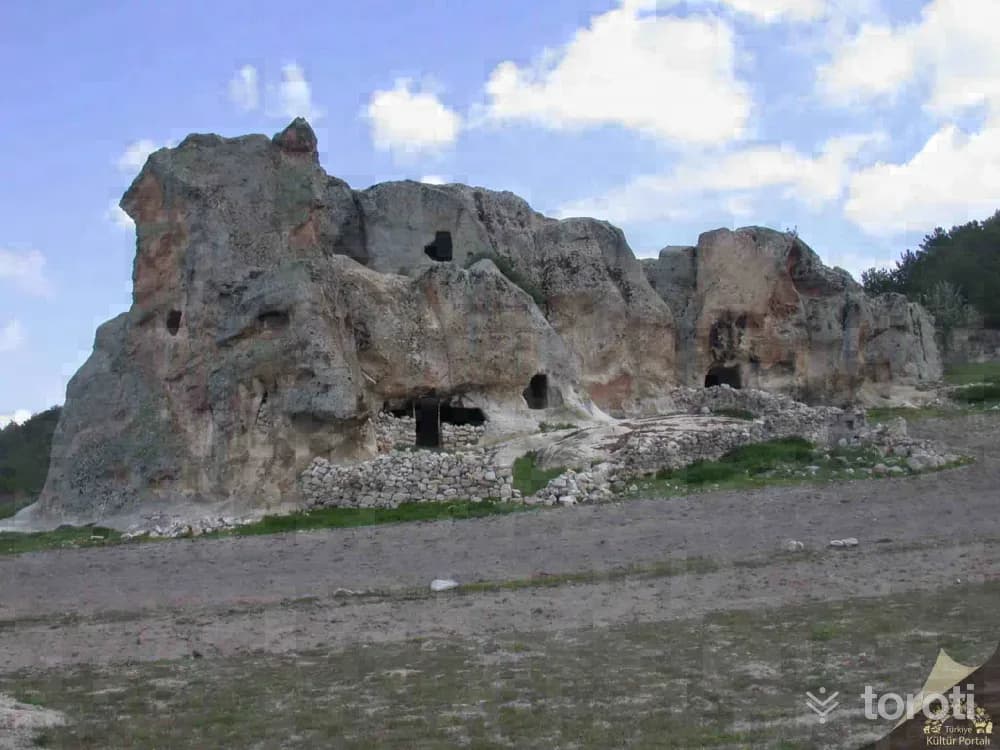
Urumkuş Rocks is a natural tuff rock formation located in İhsaniye district, about 5,5 km to the northeast of the town of Döğer as the crow flies. The sides of the rock facing the plain are quite steep. Photo: Afyonkarahisar Museum On the top of the rock and on its side sections, there are traces of rock-cut foundations, niches, rock altars, sacrificial pools and kaklıklar. This situation shows that the rock was used as a sacred area and perhaps also as a settlement area during the Phrygian period.
45 minutes
Gerdekkaya Mezar Anıti
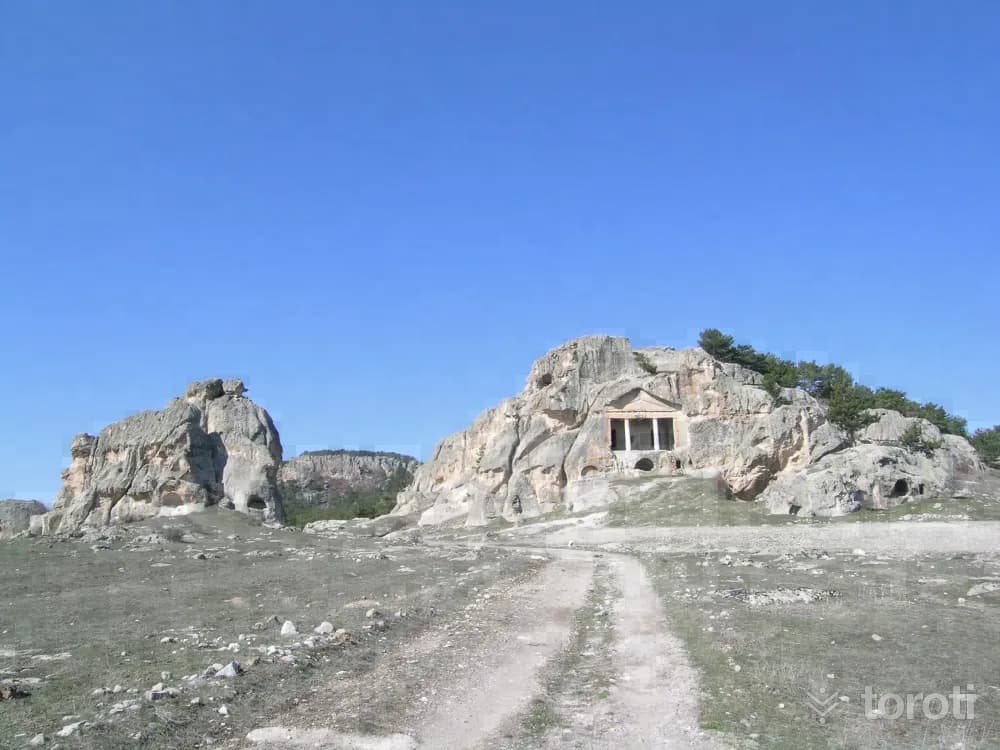
Gerdekkaya Tomb Monument; it was carved into the eastern face of a large rock mass in Doğanlı Valley, 500 m southwest of Çukurca village. In the Doric order, it is in the form of a temple façade with a triangular pediment and cornice carried by two columns. Behind the monumental entrance hall, there are two side-by-side burial chambers entered through two separate doors. Arched burial troughs are located on the side and rear walls of the chambers.
45 minutes
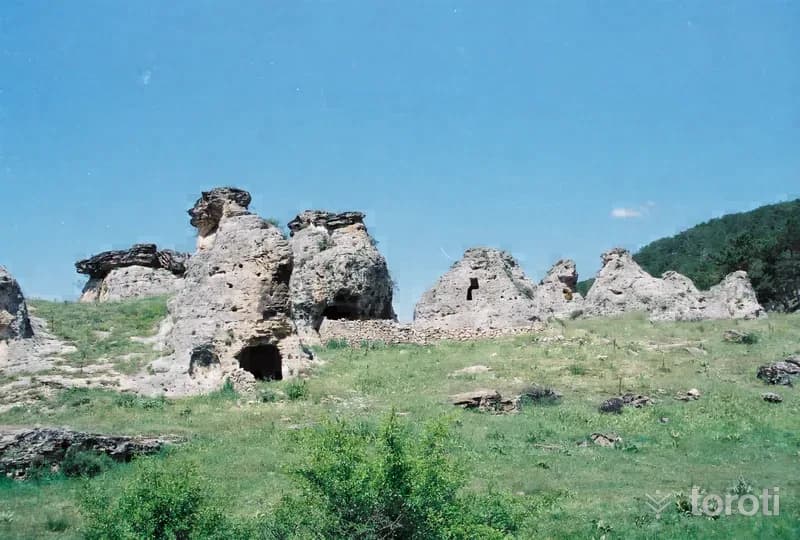
Dağlik Frigya Asmainler Sakli Vadi
Starting from Kırka Town of Seyitgazi District and extending along the Kütahya provincial border from Büyükyayla and Seyircek Kale to Afyonkarahisar Köhnüş Valley, Asmainler Valley is one of Phrygia’s important and unknown hidden valleys, forested, exotic, preserving its natural beauties, and taking its name from the rock tombs on the slopes. Rock tombs are lined up along the valley identified with the Mother Goddess Cybele. The valley draws attention with its natural beauty.
45 minutes
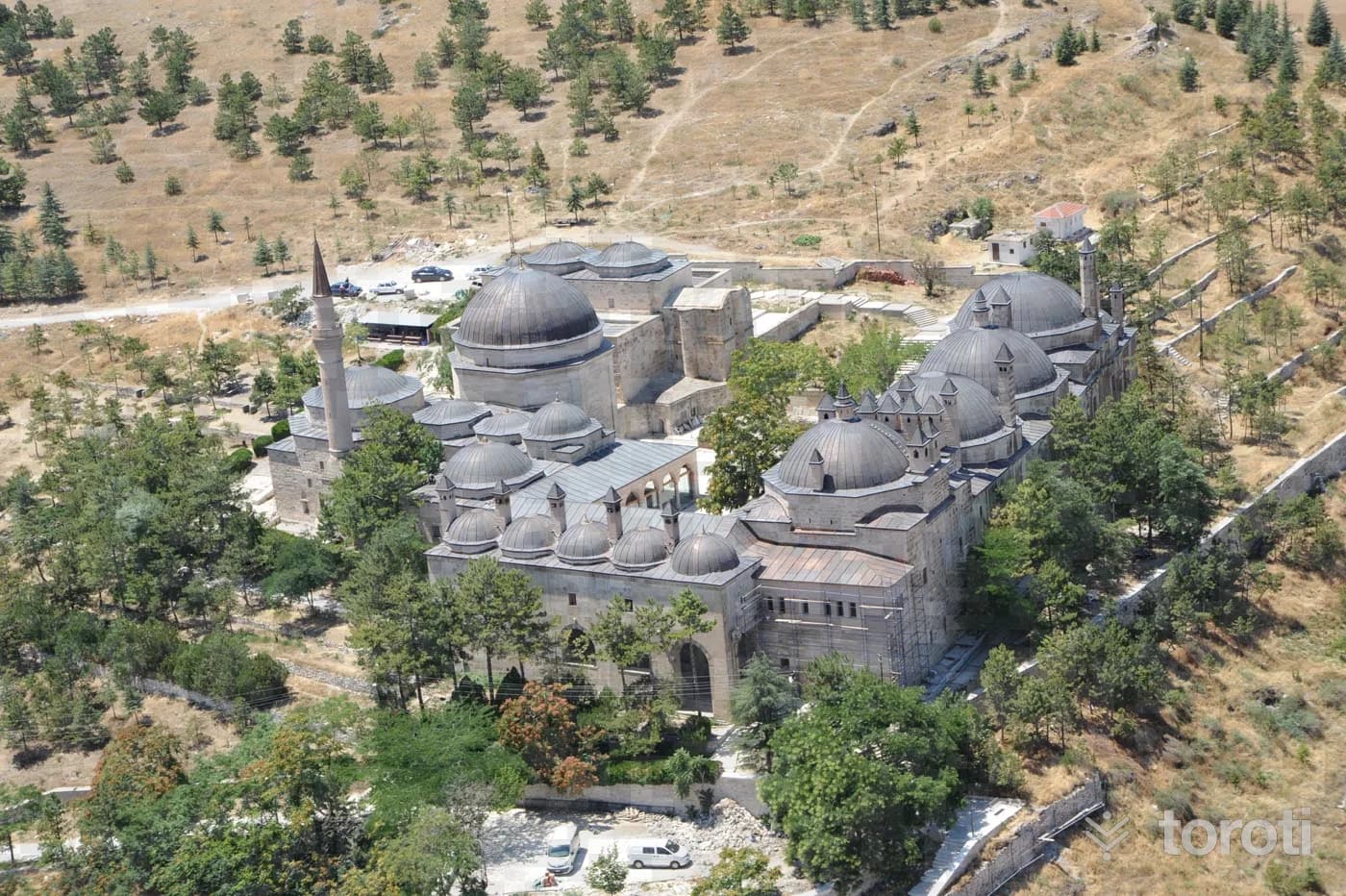
Seyyid Battal Gazi Külliyesi ve Türbesi
According to legend, Seyyid Battal Gazi’s grave was found as a result of a dream. Ümmühan Hatun, the mother of I. Alaeddin Keykubat, first had a tomb built here, then a mosque. The present-day külliye took shape around the tomb. The Ottomans added a madrasa, imaret, tekke and dervish lodge to the tomb and mosque. The structures, repaired by II. Beyazıt and Sultan I. Selim starting from Fatih Sultan Mehmet, were enriched with additions.
30 minutes
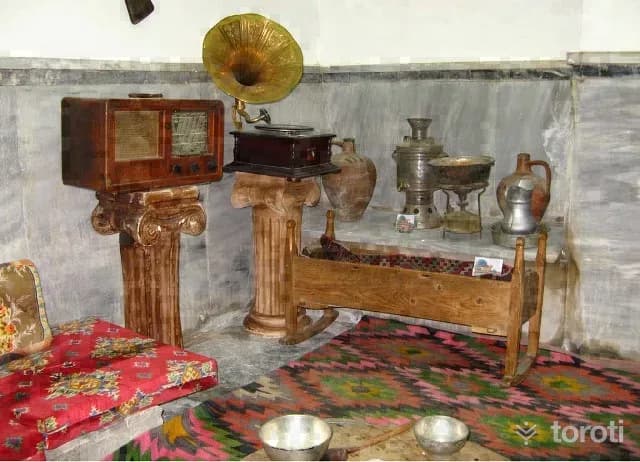
Seyitgazi Bor Ve Etnografya Müzesi
It is located in the Selçuklu Bath belonging to the Ottoman Period. On display are boron mineral and samples extracted in Kırka, Bigadiç, Kestelek, Emet and Bandırma, information and photographs belonging to the Etibor General Directorate and operation directorates, information about boron mineral, an open-pit model and industrial products produced from boron. In addition, old household items, agricultural tools and handicraft products also await visitors.
45 minutes
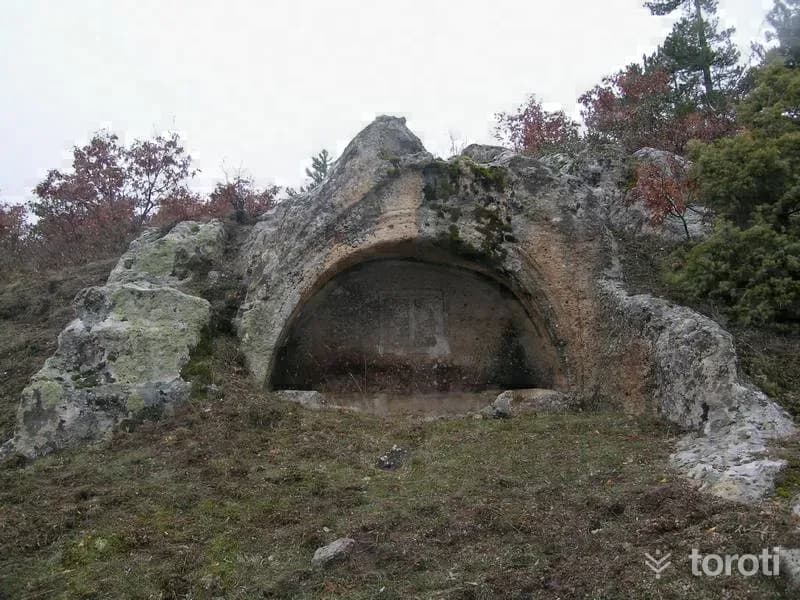
Fethiye İnlerönü Örenyeri
To the south of Fethiye Köyü, in a forested and rocky area, the monumental rock tombs from the Roman and Byzantine periods show that Phrygian rock workmanship was also continued by later cultures. Very close by, there are architectural remains indicating the existence of an ancient settlement.
45 minutes
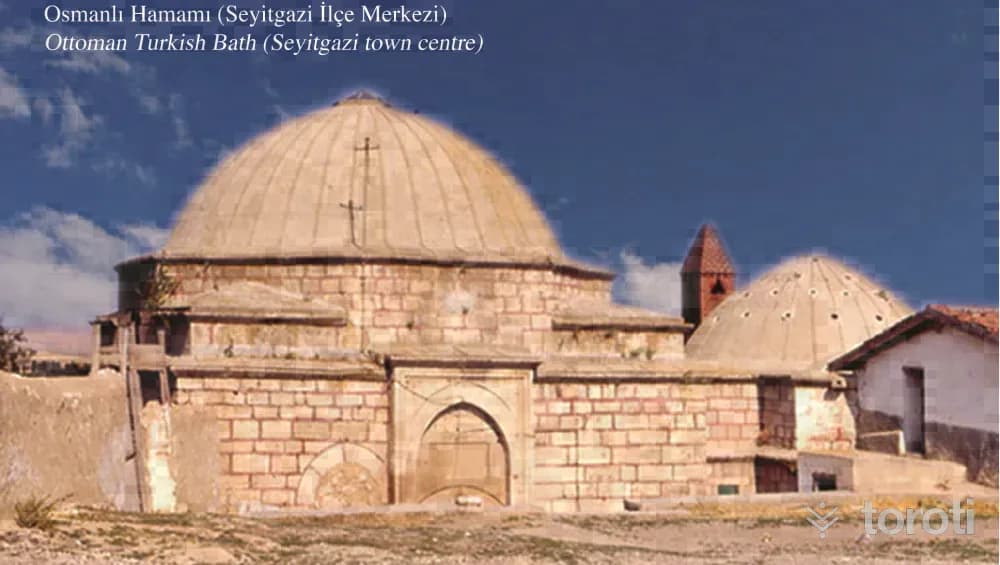
Selçuklu Hamamı
It is located in Seyitgazi district center, in İkiçeşme Neighborhood, on the Afyon Eskişehir road. It was built during the Ottoman period and restored during the Republican period. In its present appearance; it is made of cut stone material, domed, and the dome drum is polygonal on the outside. Today it is used as the Bor and Ethnography Museum. Bibliography: - Eskişehir Governorship.(2014). Eskişehir Guide(5.
45 minutes
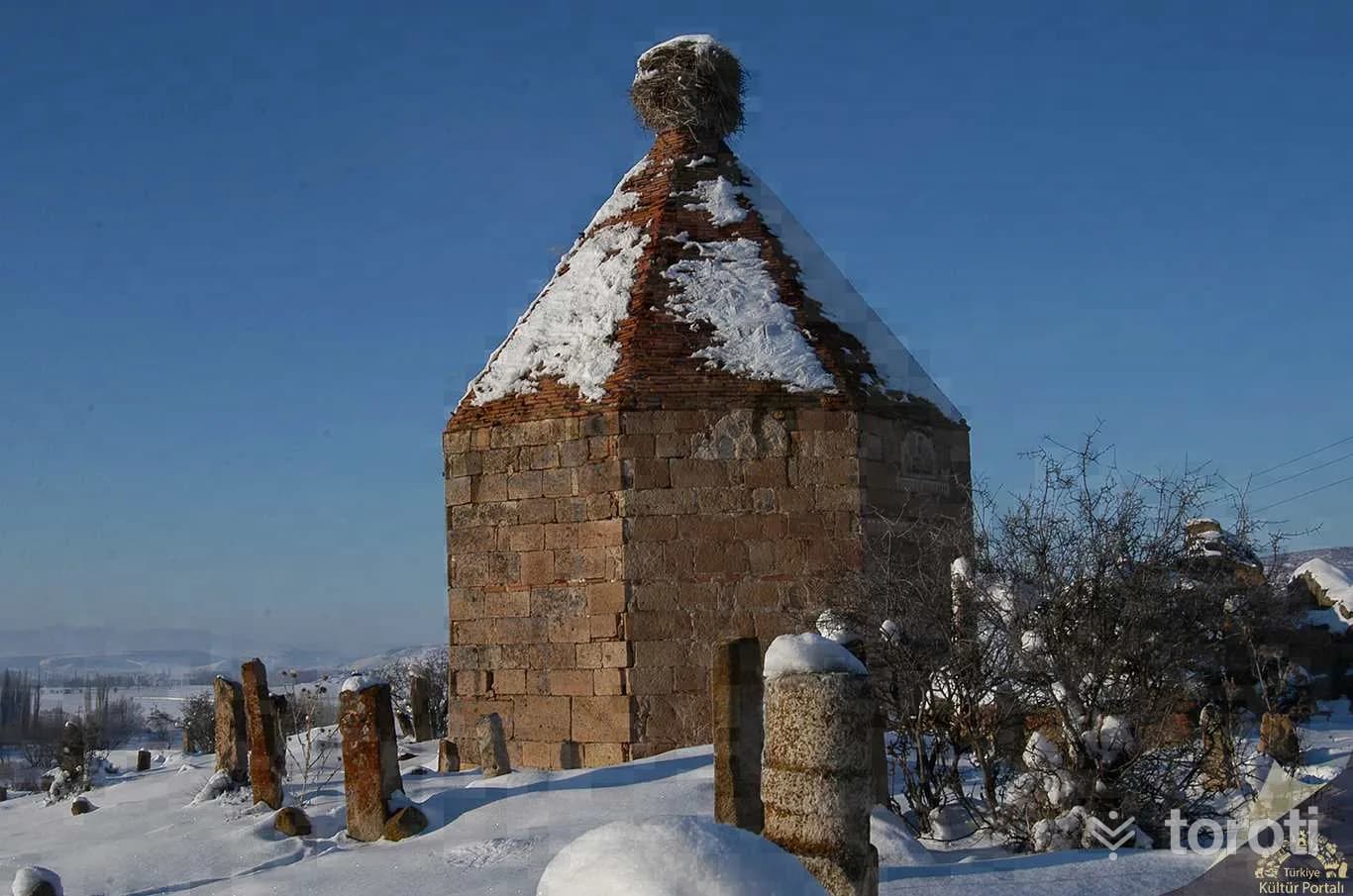
Himmet Baba Türbesi
It is on the rocky outcrop of Kümbet village. It is dated to the 13th century with its plan, technique and material characteristics. Marble architectural pieces from the Byzantine period were used in the entrance door. It is understood from the inscriptions on the grave markers in the surrounding cemetery that it was used until the Ottoman period.
20 minutes