Places to visit
Things to do in Karesi
10 destinations, each with a description, how long it takes and where it sits on the map.
In short
toroti’s catalogue holds 10 described destinations within Karesi, Balıkesir. The themes that come up most: Faith heritage, Local culture, Museum, Culture.
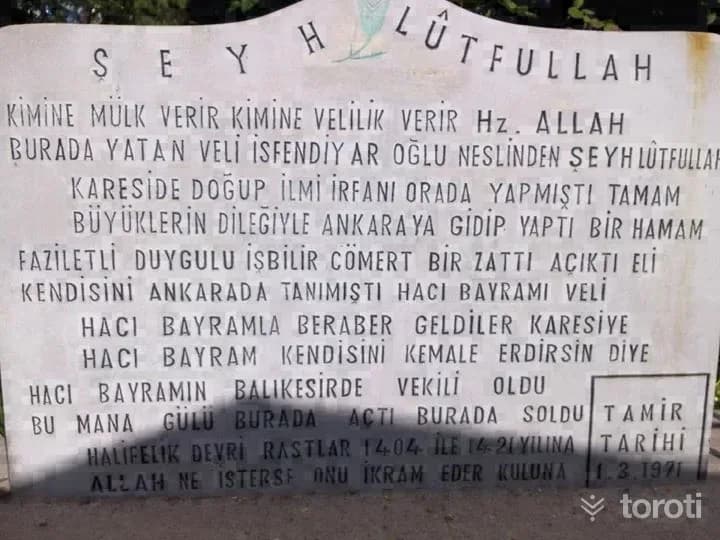
Şeyh Lütfullah Camisi
Şeyh Lütfullah Mosque was built in 1429. It is thought to have been commissioned by Şeyh Lütfullah, one of Hacı Bayram Veli’s friends. The mosque, which could not survive to the present day in its original location, was renovated in 1907. It is a rectangular cut-stone structure. The narthex is reached by a three-step staircase. Its facade has a two-storey appearance because of the women’s gallery, which corresponds to the upper part of the narthex.
45 minutes
Zağnos Paşa Camii
It is located in the city center, in Mustafa Fakıh Mahallesi, within the bazaar. It is a külliye consisting of a mosque, tomb and rabbi. It was commissioned in 1461 by Zağnos Mehmed Paşa, one of the viziers of Fatih Sultan Mehmet. Of the külliye, only the bath has survived to the present day in its original state. The mosque and tomb, which were demolished in 1897, were rebuilt in 1908 by Balıkesir mutasarrıfı Ömer Ali Bey.
20 minutes
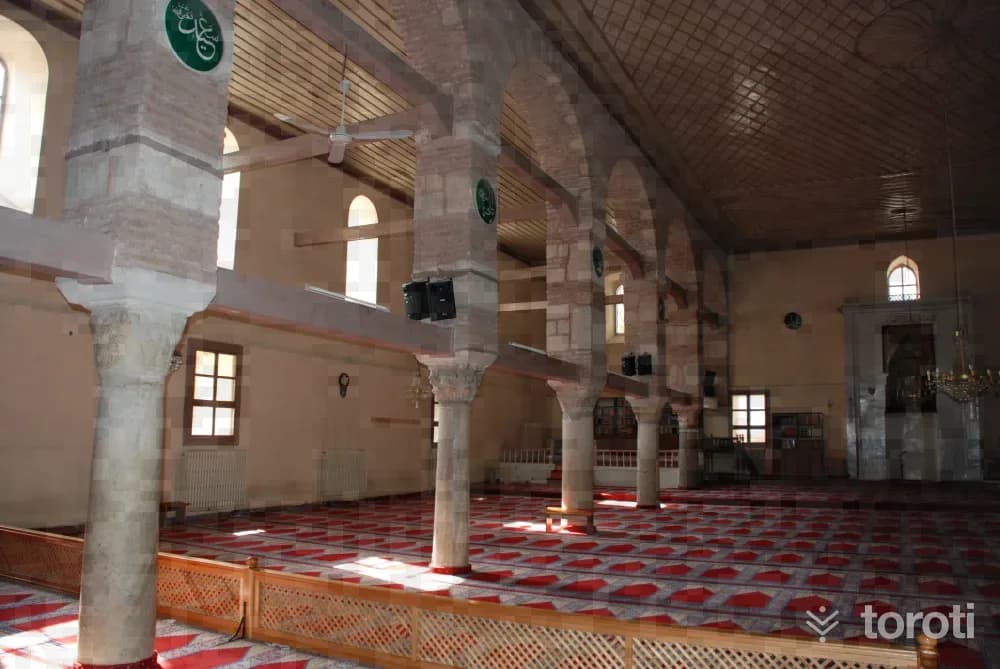
Yıldirim Camii Ve Külliyesi
The mosque, located in Yıldırım Mahallesi, is Balıkesir’s oldest Ottoman structure. There is no construction inscription. However, it is understood from various sources and its endowment deed that it was commissioned by Yıldırım Beyazıt in 1388. Within a rather large courtyard, it forms a külliye together with a madrasa and imaret. It underwent repairs in 1818 and after the 1897 earthquake. The interior of the mosque has a rectangular plan and is divided into three naves by two rows of five columns each.
45 minutes
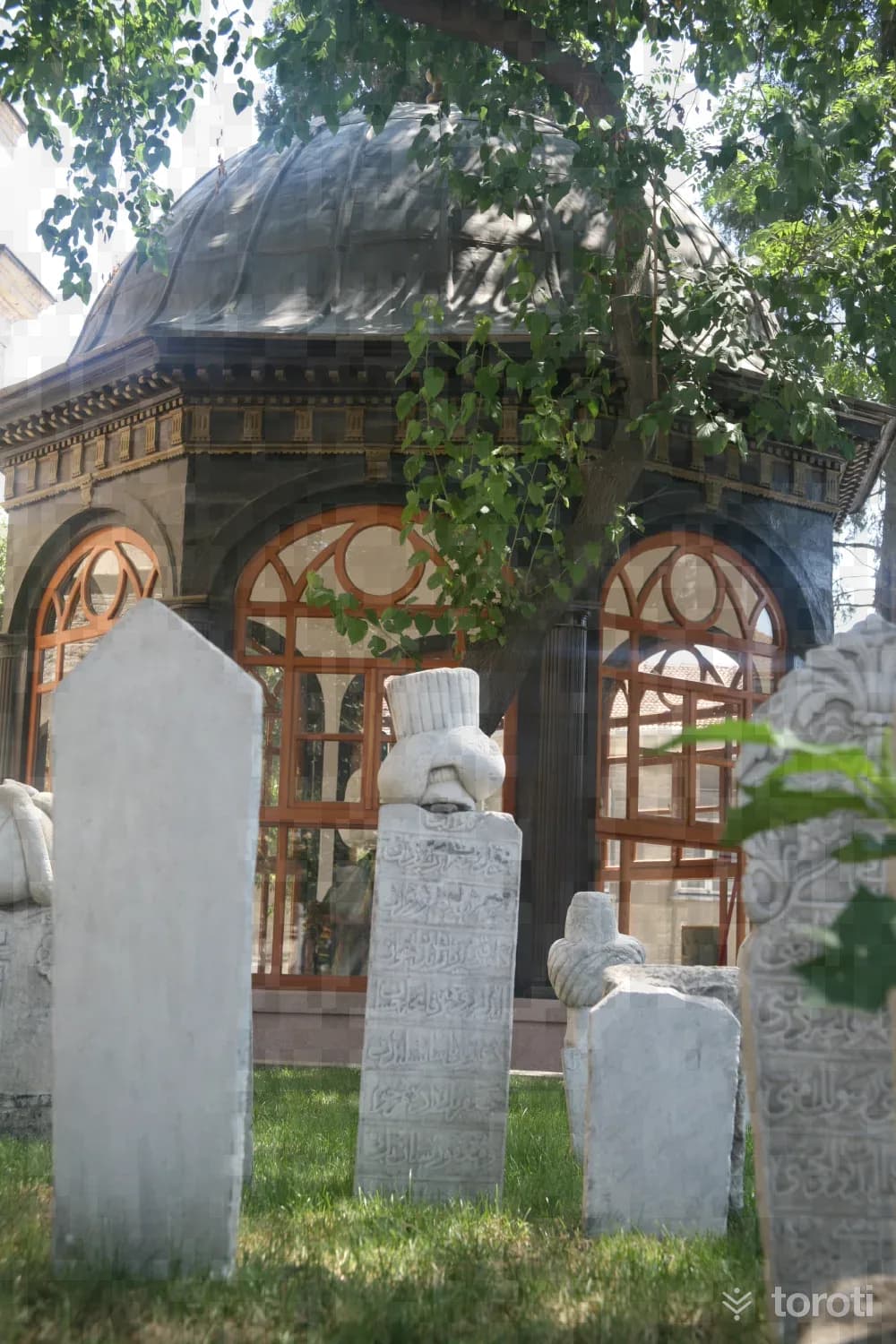
Zağnos Paşa Camisi Ve Külliyesi
Zağnos Paşa Mosque is located in the city center of Balıkesir. It was commissioned in 1461 by Zağnos (Zağanos) Paşa, one of the viziers of Fatih Sultan Mehmet. Of the külliye consisting of a mosque, tomb and bath, only the bath has survived to the present day in its original state. The mosque and tomb, which were destroyed in 1897, were rebuilt in 1908 by Balıkesir Mutasarrıfı Ömer Ali Bey. The square-planned mosque was built of smoothly dressed and cut stone.
45 minutes
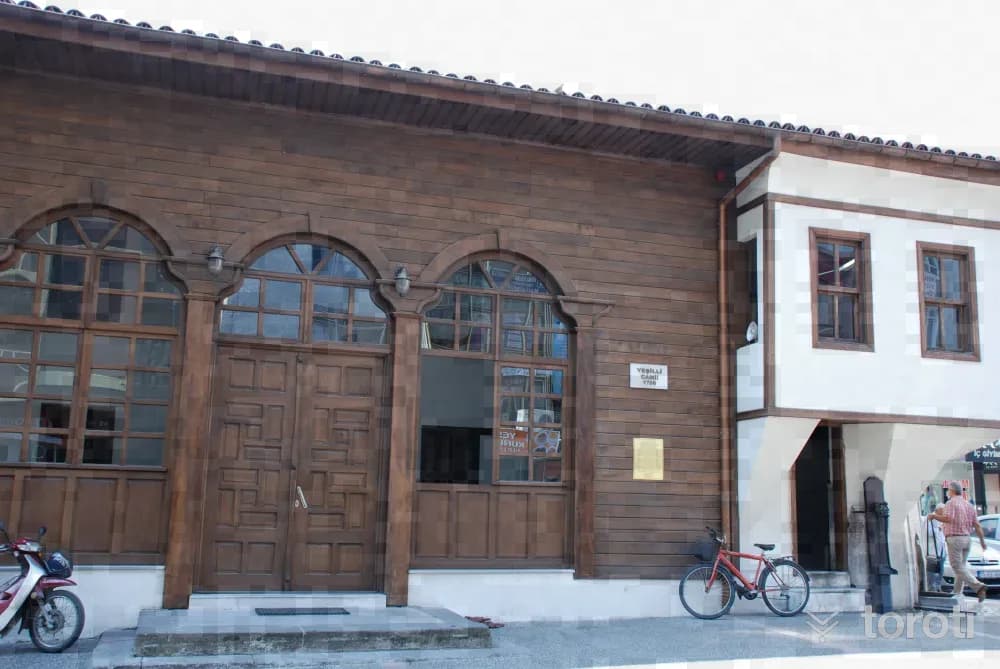
Yeşilli Cami / Hisariçi Camisi
The founder of Hisariçi Camisi is unknown. It is understood only from the inscription on the mosque that it was repaired in 1786 by Külahçızade Hacı Mustafa Efendi. The mosque is a small rectangular-plan structure with a wooden roof. Since it was painted green, it is also known among the public by the name Yeşilli Cami. The mosque, which is slightly elevated from the ground, has a two-winged last congregation area. From a staircase here, one goes up to the women’s gallery on the upper floor.
45 minutes
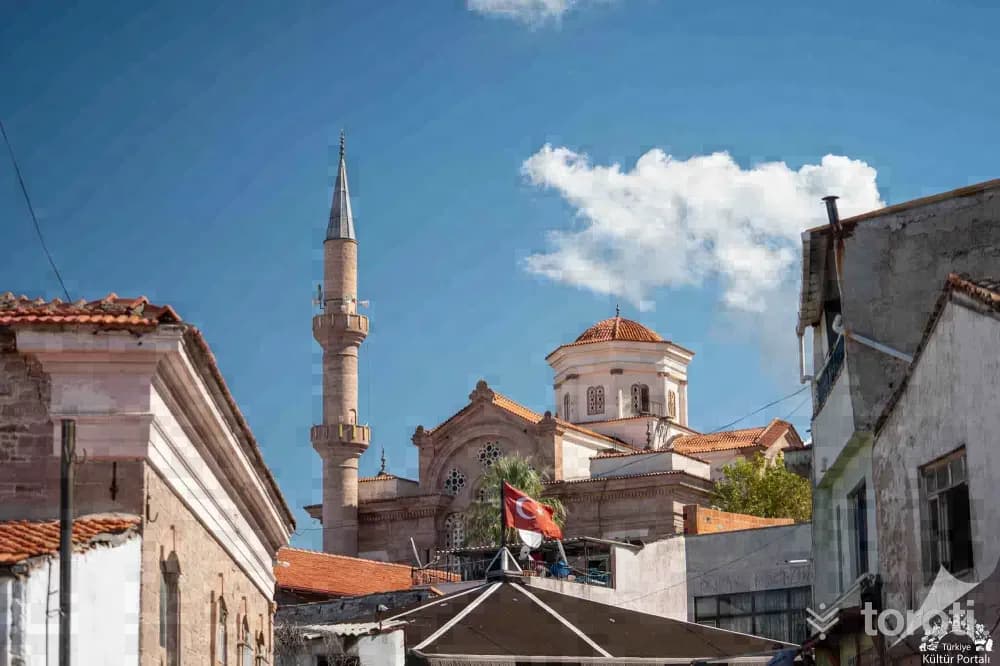
Çinarli Cami
Çınarlı Cami is located in the district center of Ayvalık. It was built as a church by the Greeks in the second half of the 19th century. Its original name is Agia İorgi (Aya Yorgi) Church. It was converted into a mosque in 1923. Described as the most magnificent of the historical structures in Ayvalık, the monument has a striking architecture. Its architectural plan is in harmony with Aya Yanni Church and is a domed cross plan. The plan of the structure, built with rubble stone and cut stone materials, is rectangular.
45 minutes
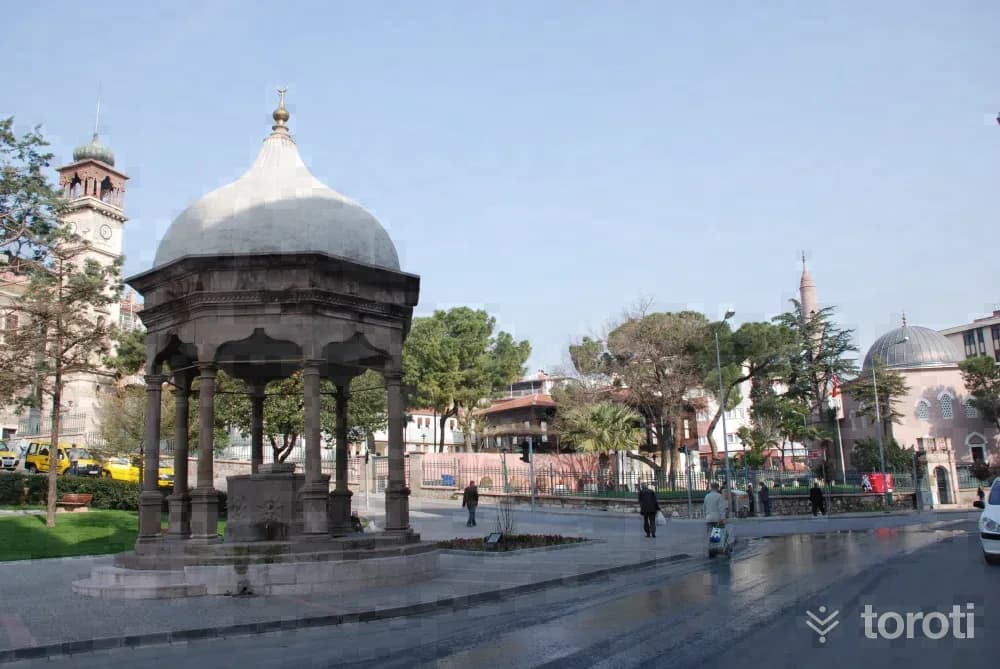
Şadirvan
It is located near the clock tower. It is thought to have been built in 1908 during the time of Ömer Ali Bey. There is an onion-shaped dome resting on seven columns of pink granite. Above the columns connected by arches, there is a horizontal molding and an eave.
45 minutes
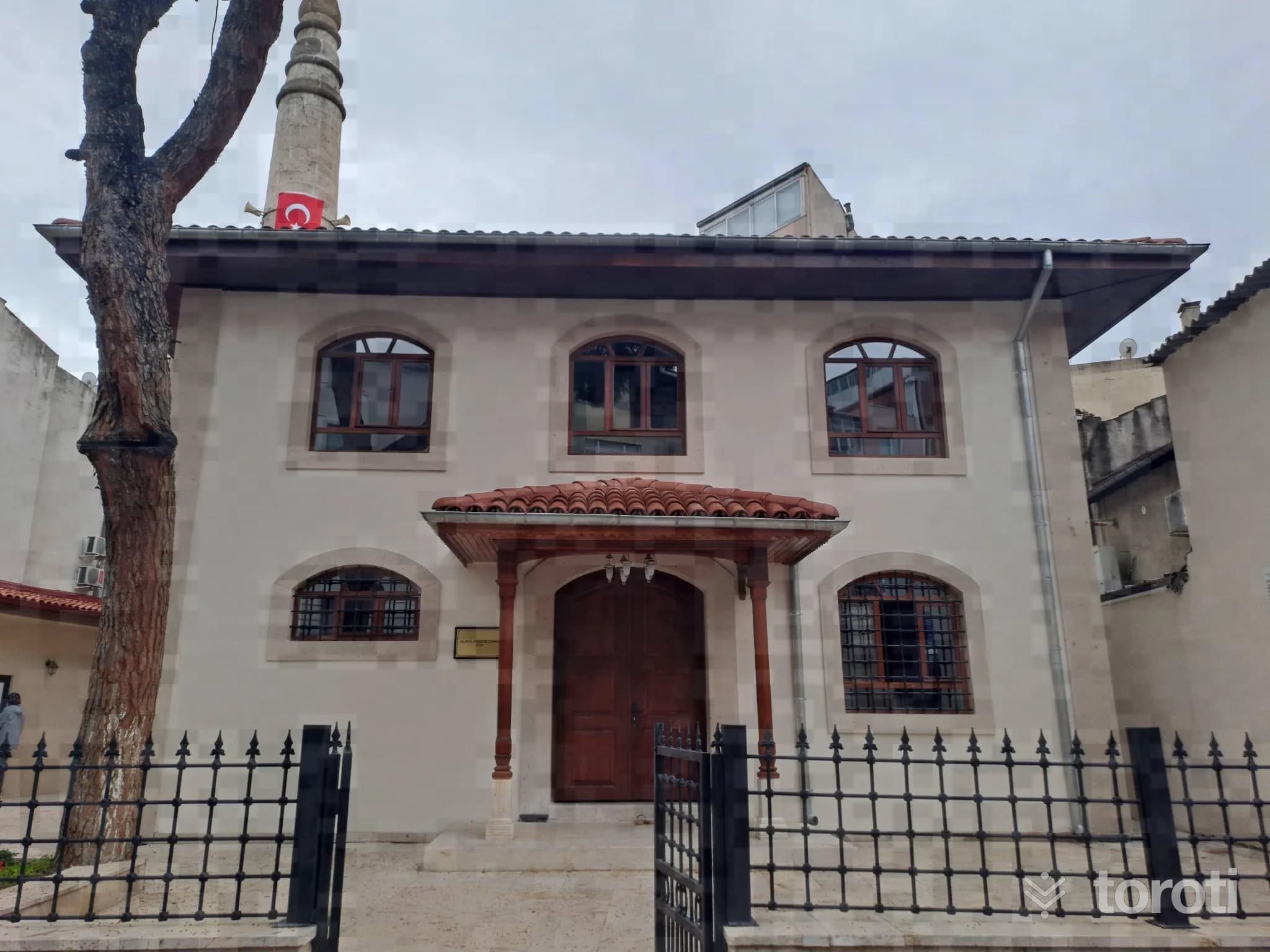
Alaca Mescit Camii
Since its inscription has not survived to the present day, its construction date and patron are unknown. It underwent its last restoration in 1911. In the mosque, which is important historically, the first decisions of the Kuvay-i Milliye Movement in Balıkesir were taken (1919).
20 minutes
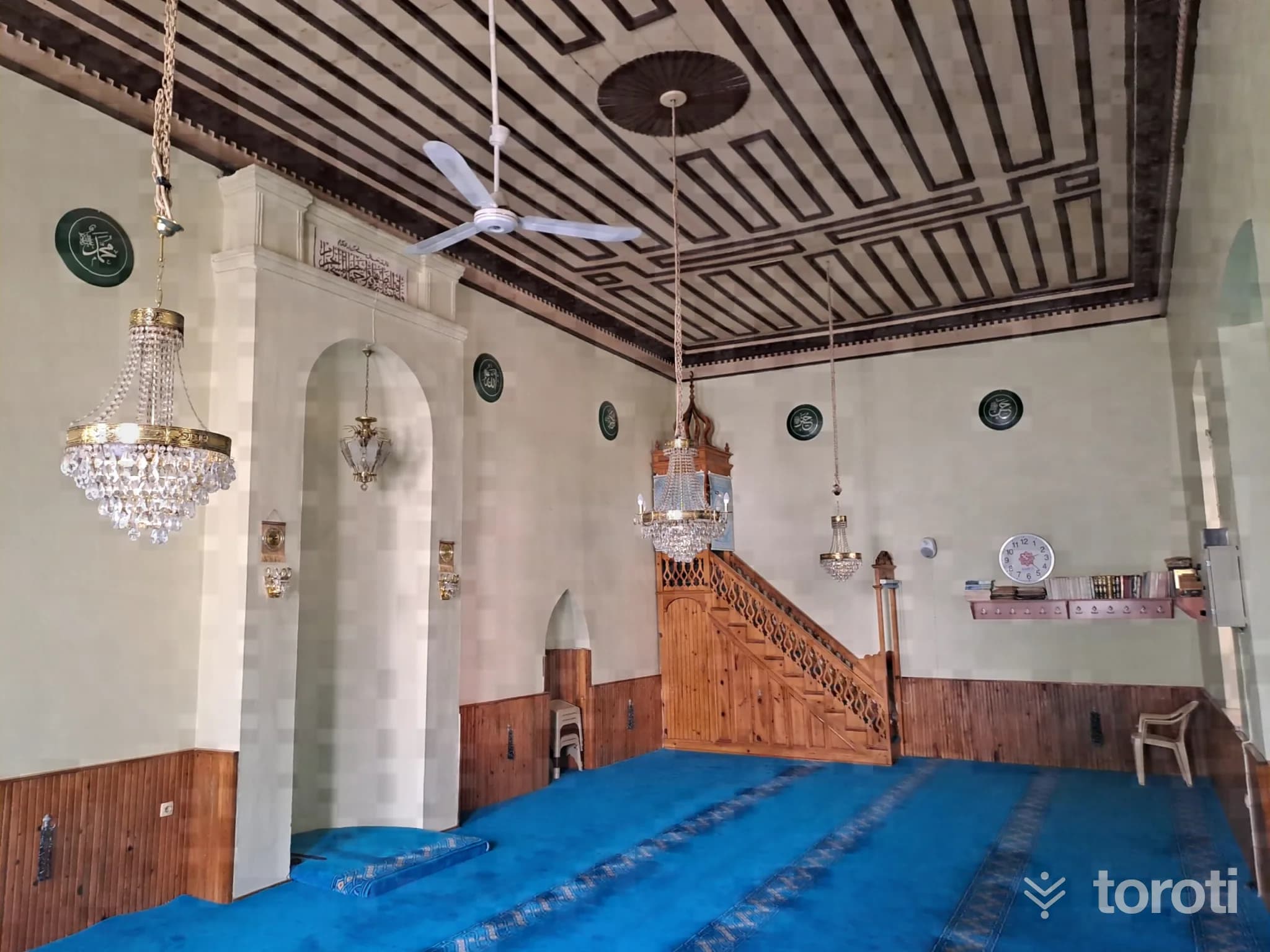
Karaoğlan Camii
It is in Karaoğlan Neighborhood. It is said to have been commissioned in 1356 by someone named Karaoğlan who crossed into Rumelia with Gazi Süleyman Paşa. It has not survived to the present day in its original form, and the present structure dates to the years 1908.
20 minutes
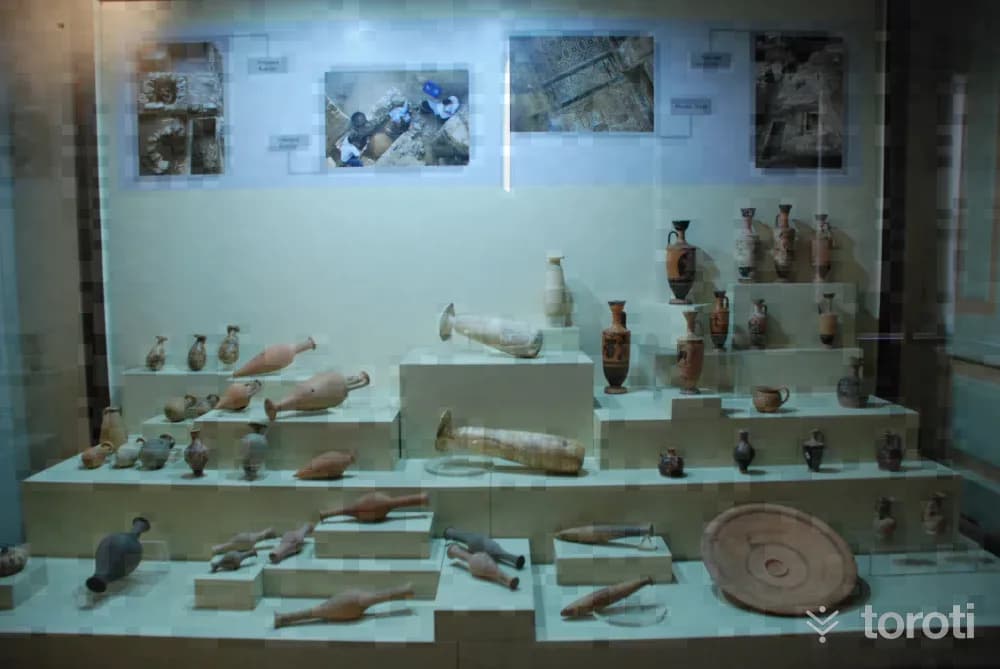
Kuva-yi Milliye Müzesi
The building, which was used as headquarters during the years of the National Struggle, served as the municipal building between 1947-1988. After the establishment of the museum directorate in 1987, renovation works were accelerated, and after the collection of artifacts was completed, the building was opened to service as Balıkesir Kuva-yi Milliye Müzesi on 6 September 1996.
45 minutes