Places to visit
Things to do in Çankırı merkez
12 destinations, each with a description, how long it takes and where it sits on the map.
In short
toroti’s catalogue holds 12 described destinations within Çankırı merkez, Çankırı. The themes that come up most: Museum, Culture, Nature, History, Local culture, Faith heritage.
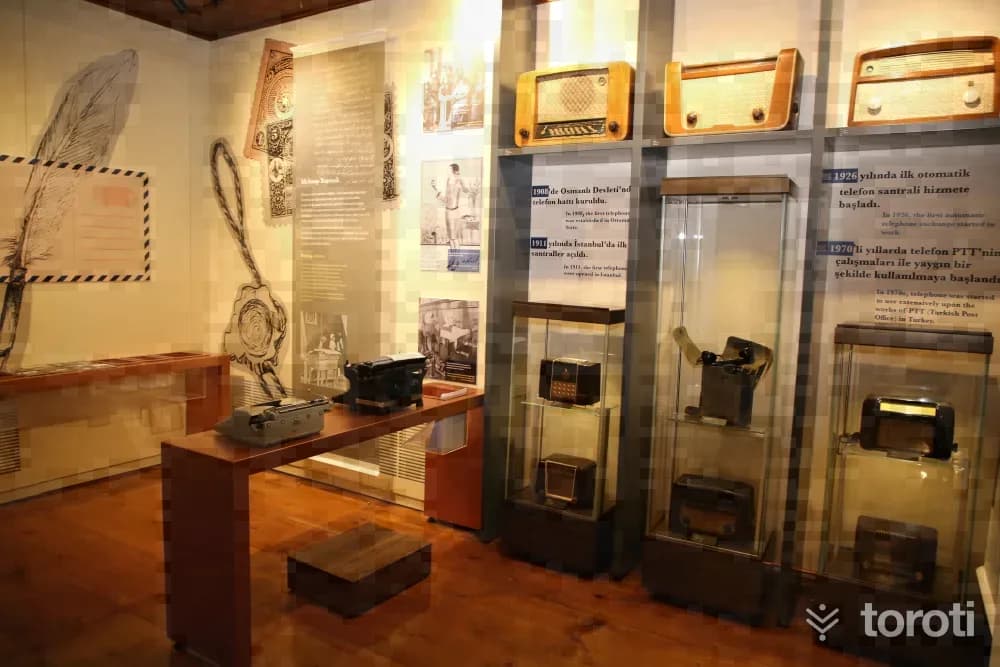
Ferit Akalin Radyo Ve İletişim Müzesi
Ferit Akalın Radio and Communication Museum is located in Sarıkadı Mansion, a historic Çankırı house in the Karataş neighborhood of Çankırı. The content of the museum of the Çankırı Provincial Directorate of Culture and Tourism consists of the radio collection donated by Ferit Akalın, an inventor from Çankırı, and oral and printed sources such as oral history records compiled over the years, documentary footage, and national archive scans.
45 minutes
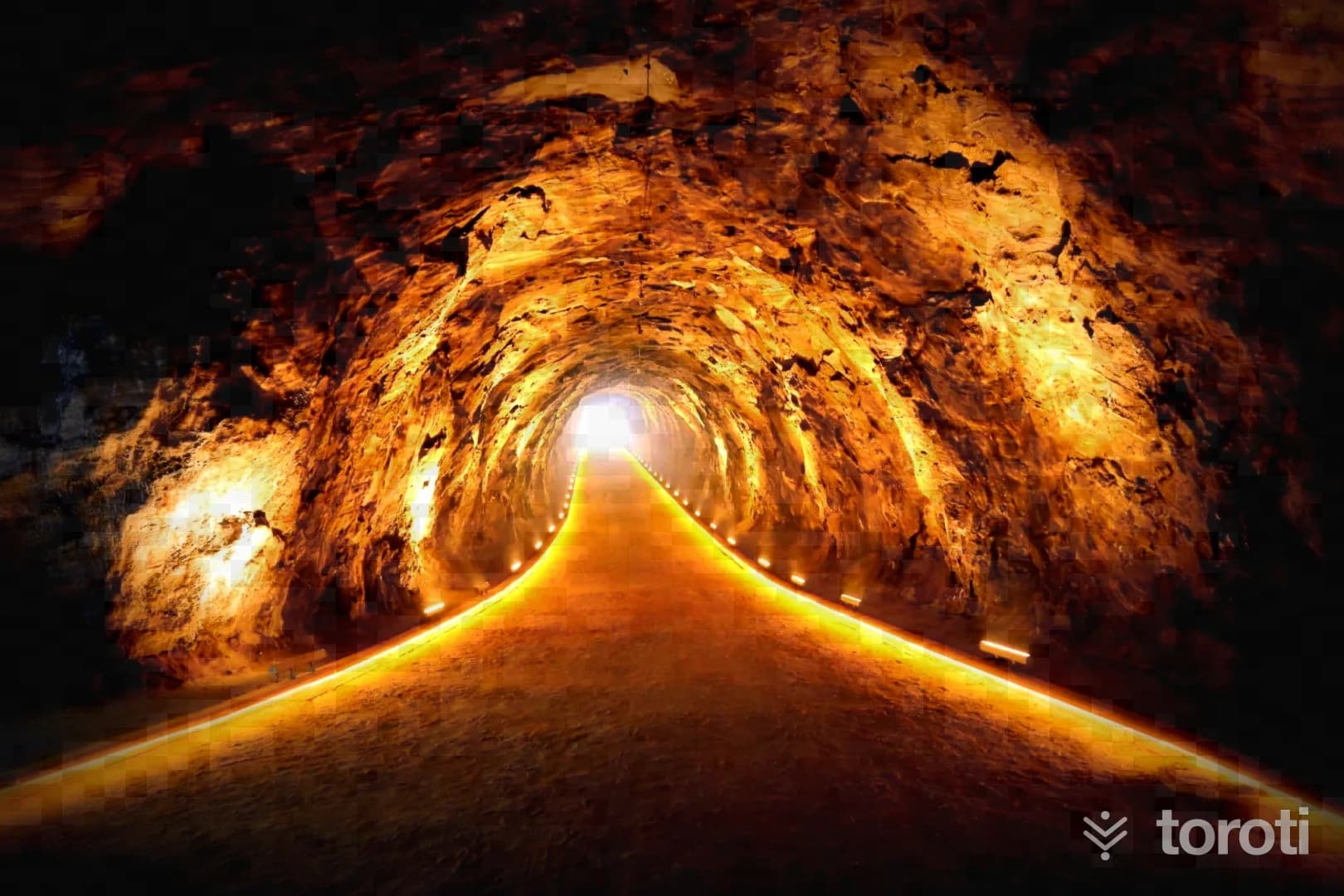
Tuz Mağarası
Salt Cave; it is located in the area where our country's largest rock salt reserves, estimated to have been utilized for approximately 5000 years, are found. Tuz Mağarası, located approximately 20 km. east of Merkez İlçe, was opened for the purpose of operating the rock salt deposits and today is a very large cave consisting of dozens of galleries resembling modern road tunnels beyond its relatively narrow entrance.
45 minutes
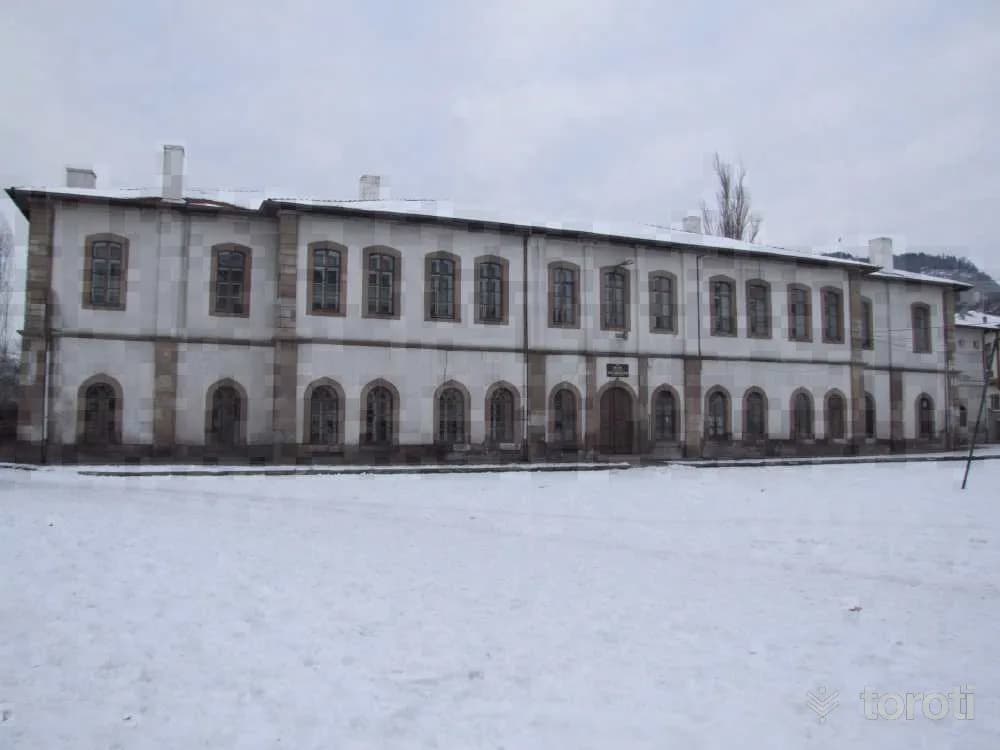
Taş Mektep
Construction of the school, which opened in 1893 under the name İdadi Mektep, began in 1886. The building, located in the central district, is two storeys and built of cut stone. Another feature of the building, which is still used as a Fine Arts High School, is that Atatürk was hosted in a classroom in this building during his nationwide tour undertaken because of the Hat Revolution.
45 minutes
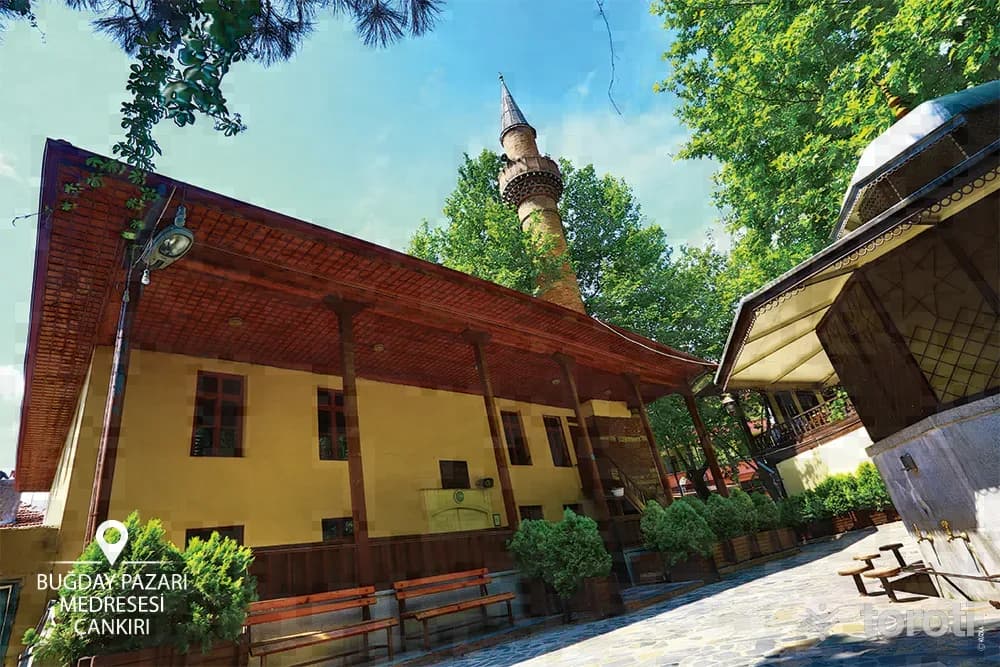
Buğday Pazarı Medresesi
Buğday Pazarı Medresesi, located in the courtyard of Buğdaypazarı Camii in the city center, was built in the 18th century. Constructed as a two-storey wooden building on a stone base, the structure consists of a single row of cells arranged in the north-south direction. In the work, which has been arranged as a Handicrafts Center, clothing, attire, kitchenware and materials related to handicrafts belonging to the Çankırı region are exhibited.
45 minutes
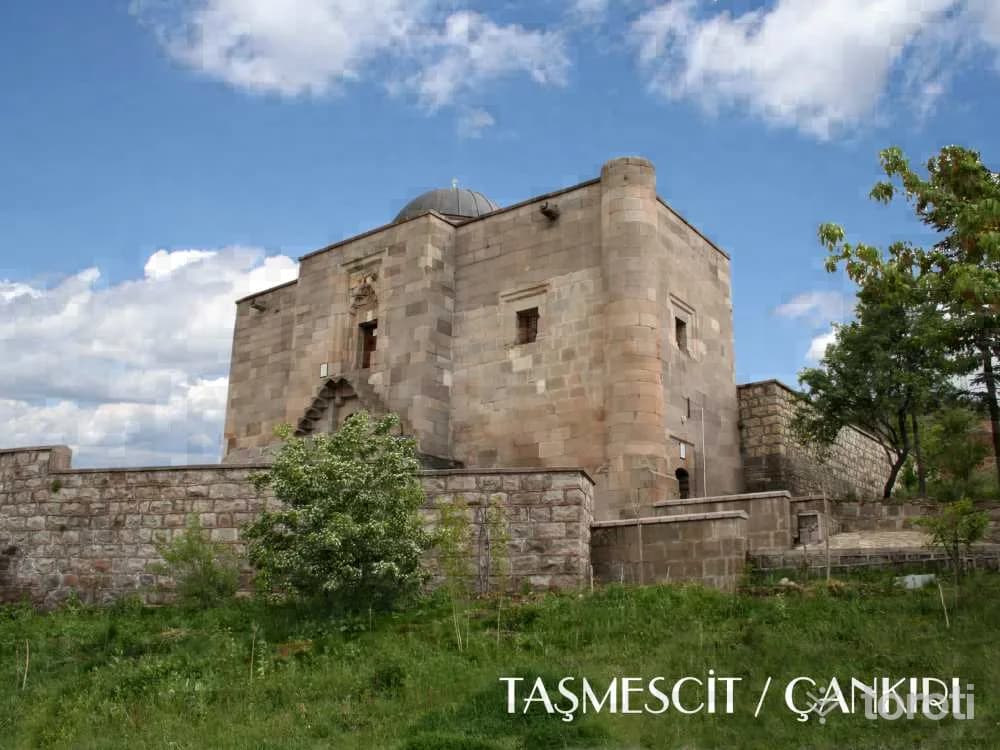
Taş Mescit (Cemalddin Ferruh Dar-ül Hadis)
It is the most important structure remaining from the Seljuk Period in Çankırı. The hospital section, which was completely destroyed because it was built of rubble stone, was commissioned in 1235 by Çankırı Atabeyi (Governor) Cemalettin Ferruh during the reign of the Anatolian Seljuk ruler I. Alâeddin Keykubat. In addition to the hospital, Cemalettin Ferruh had a dâr-ûl hâdis built in 1242. In popular language, this structure is called Taş Mescit.
20 minutes
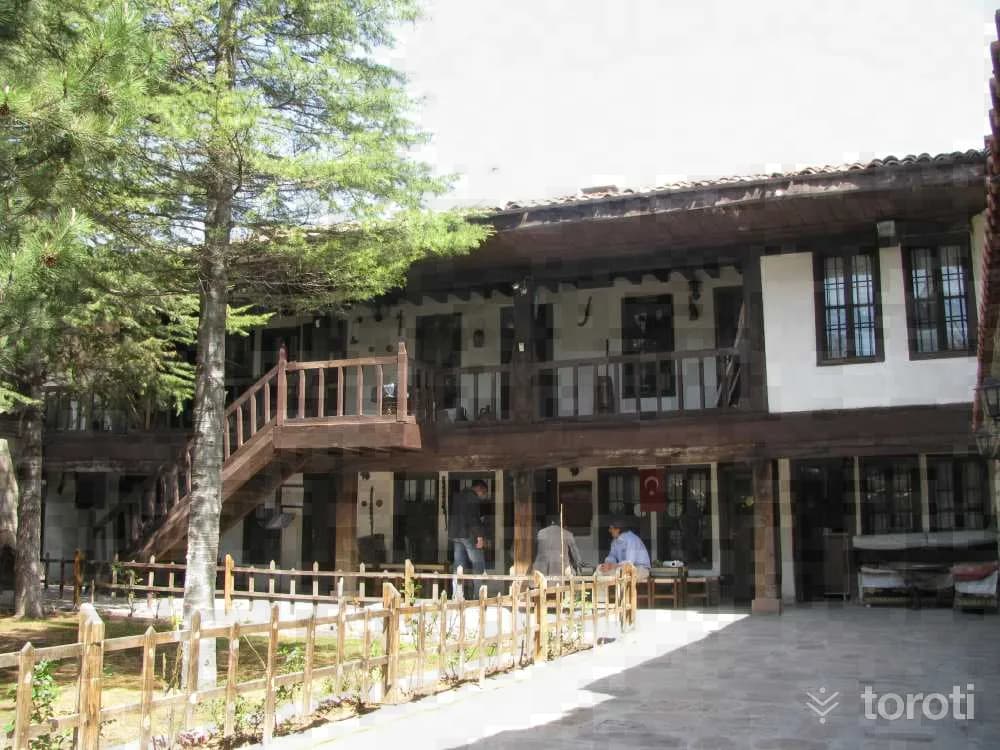
Çivitcioğlu Medresesi
Located in the Provincial Center on the eastern facade of the Büyük cami and surviving from the 17th century to the present day, the structure in the courtyard consists of two-storey, single-row cells arranged in an east-west direction, and there is a row of wooden porticoes in front of the cells on both floors.
30 minutes
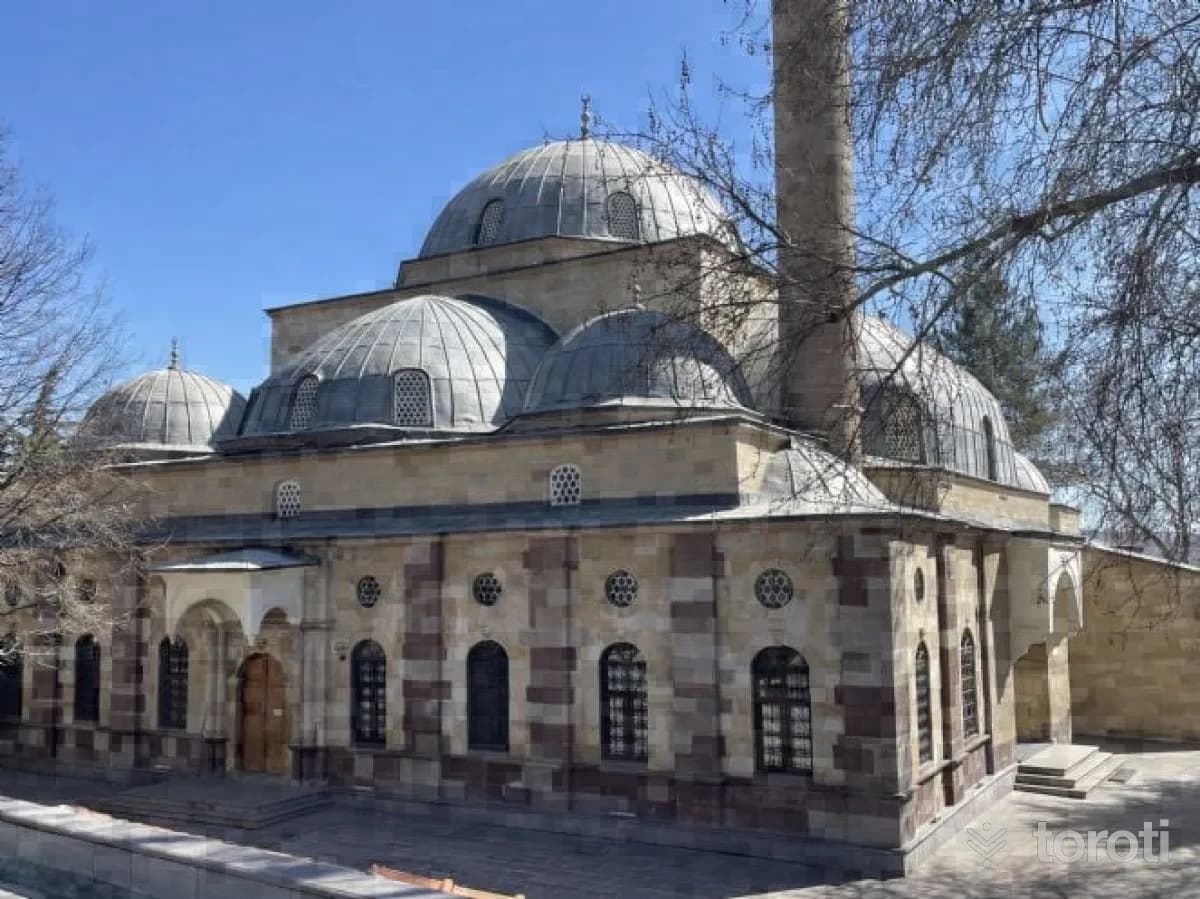
Sultan Süleyman Cami (Büyük Cami)
The mosque, built by Sadık Kalfa, one of the apprentices of Mimar Sinan, by the order of the Ottoman Sultan Kanuni Sultan Süleyman, was opened for worship in 1558. On the square-planned Mosque, which is located in the central district, there is a large full dome in the middle and semi-domes on the four sides of this dome. Its walls and minaret are of cut stone, and the tops of the domes are covered with lead.
20 minutes
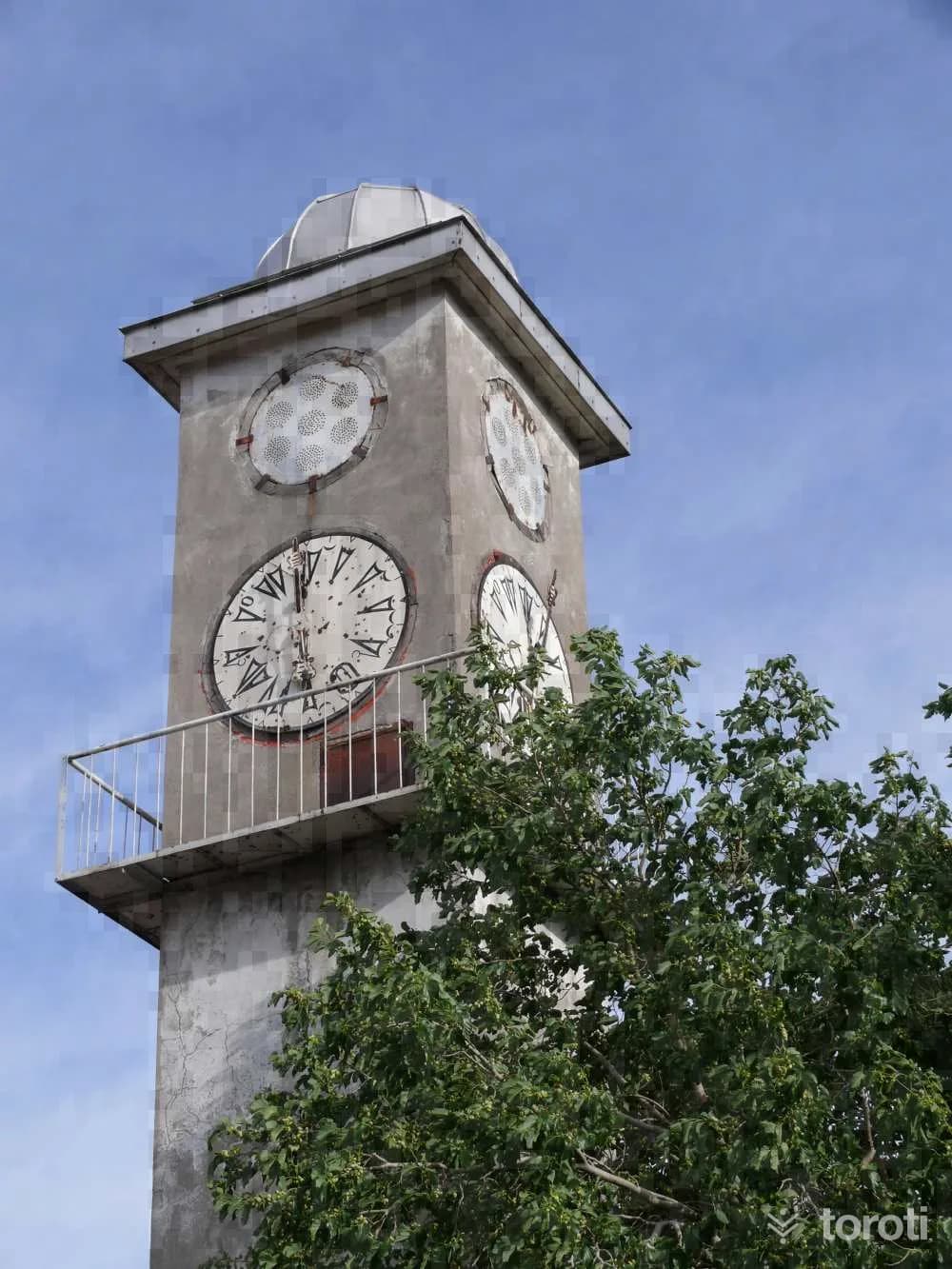
Saat Kulesi
The clock made in Switzerland was brought to Çankırı via the İnebolu road in 1866. The tower, which has a square plan and a rectangular body, was placed on a platform. The height of the clock tower, located at a point overlooking the city, is 15metres. There is a balcony at the top and clock faces on all four sides.
20 minutes
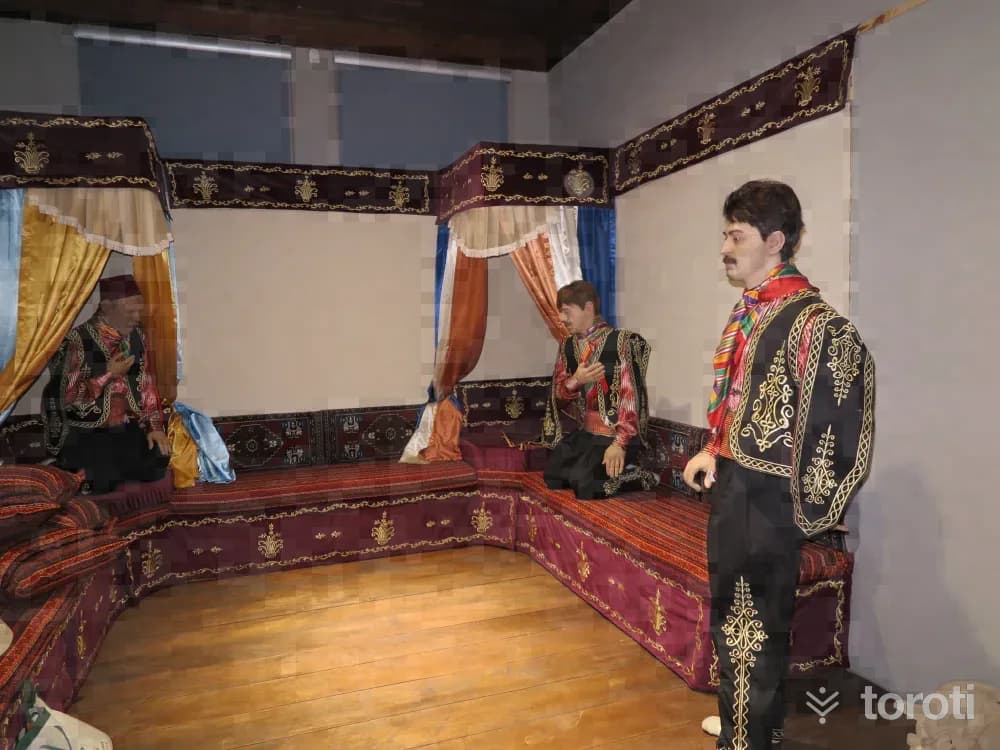
Çankiri Müzesi
The first professional museum activity in Çankırı began with the exhibition of 116 collected pieces on 9 June 1972 on the lower floor of the Halkevi building (Public Education Center). Çankırı Museum, which continued its work in this building until 1976, was temporarily moved to Çankırı High School because the Public Education building was demolished and the 100th Year Cultural Center was built in its place. One classroom of the high school was turned into a storage area and office activities were carried out there.
45 minutes
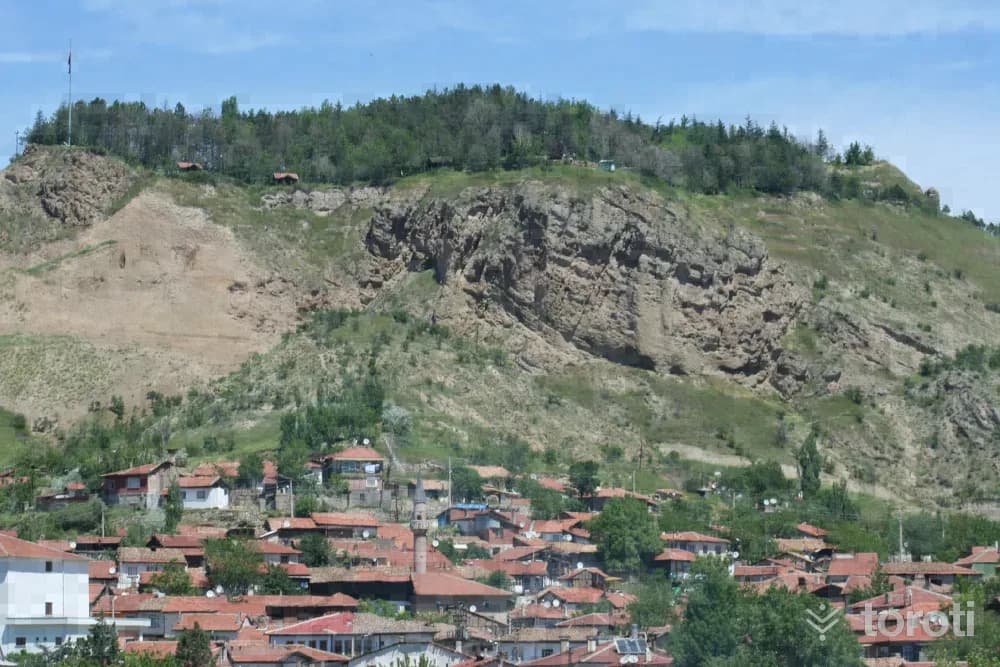
Çankiri Kalesi
Çankırı Kalesi was built on a small hill to the north of the city. The fortress, famous for its strength during the Roman, Byzantine, Danişmentli, Seljuk and Ottoman periods, was inhabited until the last century, and nothing has survived to the present day except a few wall remains. The walls of the fortress, which has a rectangular plan, are a mixture of rubble stone and brick. Its height from the stream at its foot is about 150 metres.
45 minutes
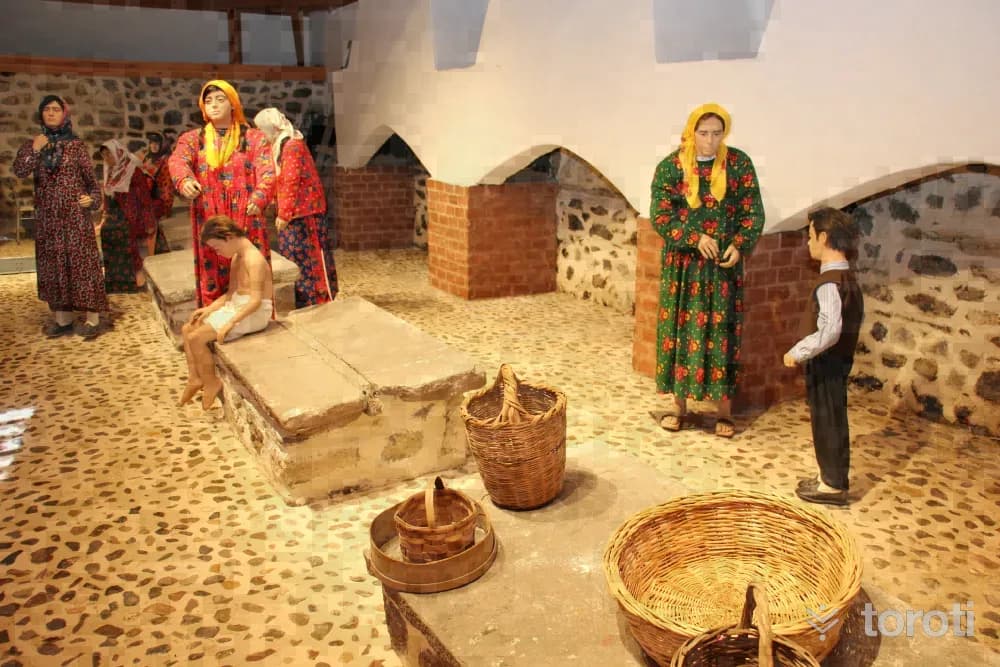
Tarihi Çamaşirhane Müzesi
Çankırı Historical Laundry Museum was built during the Abdülhamid Period. The Historical Laundry is known as the largest of the laundries in our country. The historic laundry, for which efforts to convert it into a museum were initiated in 2016, also hosts artistic and cultural events outside the modern understanding of museology.
45 minutes
Çankırı Kalesi ve Karatekin Bey Türbesi
The castle was built on a small hill to the north of the city. Its walls were constructed with a mixture of rubble stone and brick. A few wall remains have survived to the present day from the castle, which was also used as a settlement in the past. Today, the only important structure in the castle is the tomb of Emir Karatekin Bey, who was also the conqueror of Kastamonu and Sinop along with Çankırı.
30 minutes